
How Much Do Small Tattoos Cost? Simple Pricing Guide (2026)
Small tattoos cost roughly $50 to $180 in the US. Most studios price them at a flat shop minimum rather than by the hour, so a 20-minute piece on your wrist can carry the same ticket as a full hour of work. Bigger designs, difficult placements, colour and custom artwork all push past that band. Here is what actually sets the number before you sit down.
I have talked through enough of these numbers with readers to know where the sticker shock comes from. Nobody is hiding the price. The model just is not what first-timers assume, and the gap between a $50 walk-in flash and a $250 custom design comes down to a handful of things you can check yourself.
If you have been saving design ideas rather than money, start with 70+ cute small tattoo designs so you know what kind of piece you are pricing, then come back here.
How Much Do Small Tattoos Cost?
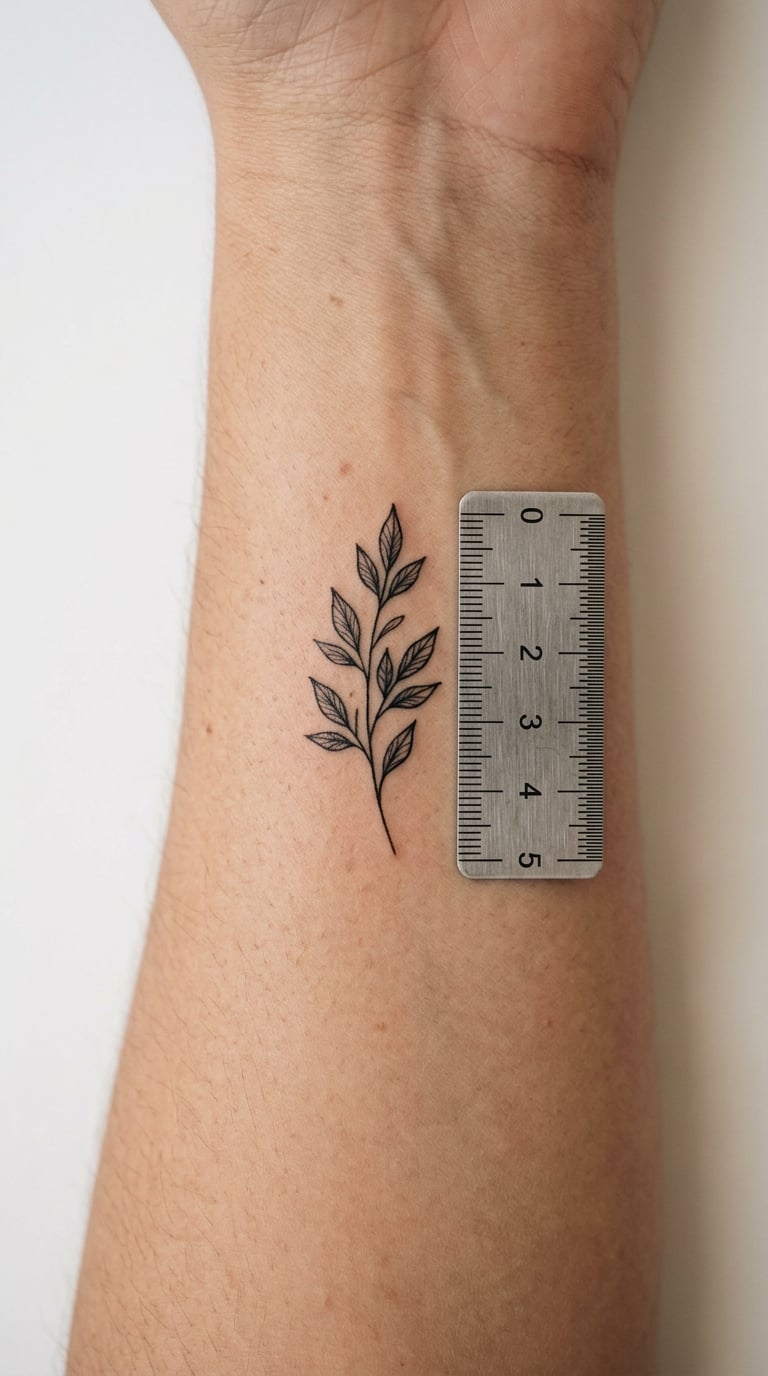
The short answer: a simple small tattoo usually lands between $50 and $180. Anything more detailed, anywhere more visible, or booked with a heavily requested artist runs higher. Tourist-shop pricing and last-minute custom work are where the ceiling gets ugly.
Two pricing models cover almost everything you will encounter. A flat rate means one agreed price for the piece, agreed before the needle starts. An hourly rate means the clock is running, and a studio rate typically sits somewhere between $100 and $300 an hour. Small work almost always gets the flat rate, because nobody sensible charges by the hour for 15 minutes of a booking.
What a small tattoo costs in practice also depends on where you are. A walk-in flash piece in a small town can land at the bottom of the band, while a custom design in a high-rent studio neighbourhood can double it before you add a tip. Regional cost of rent and staff shows up in the price more directly than most people expect.
Small Tattoo Prices by Size and Design
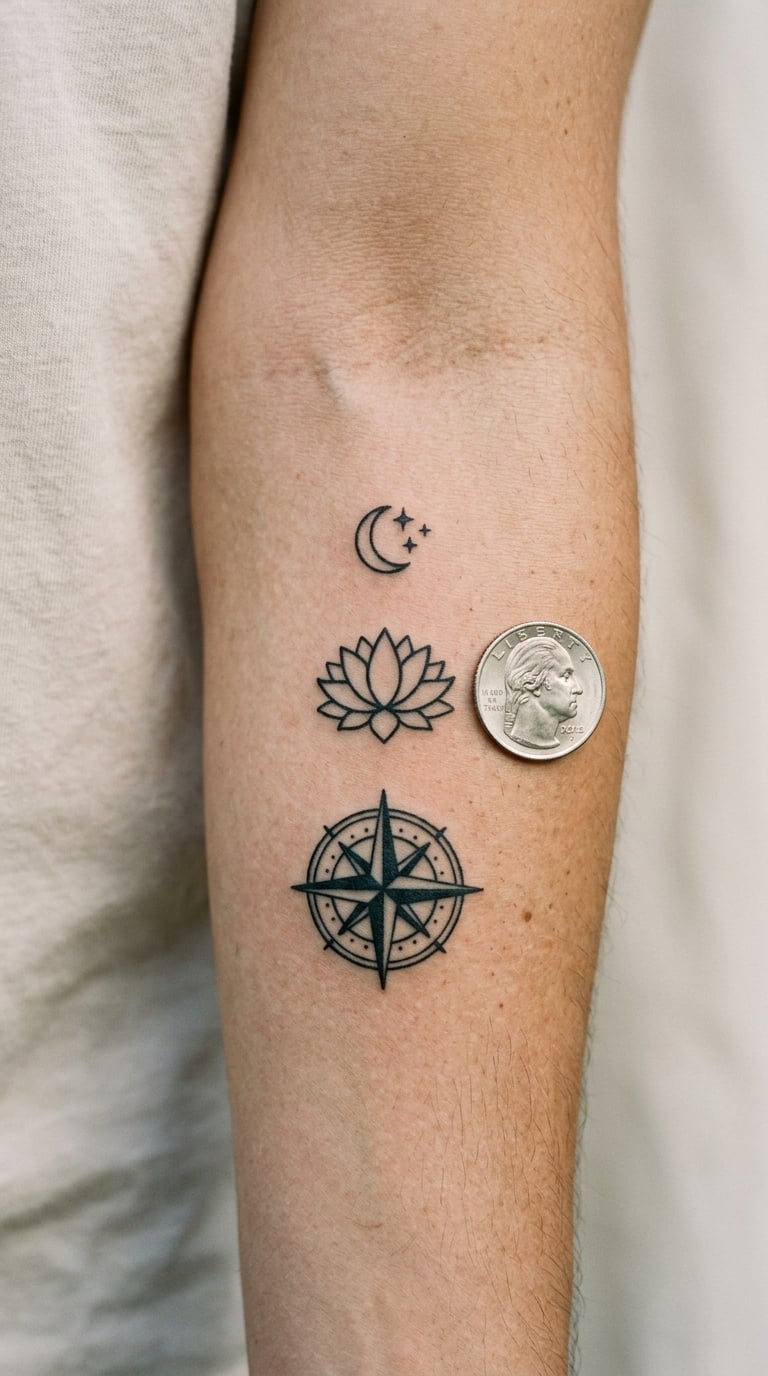
Size is the most useful thing you can control. Scaling a design down or simplifying it to fit a smaller area is the single most reliable way to bring a quote back to a number you are comfortable with.
| Size band | What it looks like | Typical small tattoo cost | Session time |
|---|---|---|---|
| Micro / nano (under 1 inch) | A single dot, tiny star, small symbol, initial or rune | $50 to $90, usually at the shop minimum | 10 to 20 minutes |
| Tiny (1 to 2 inches) | Small script word, minimal linework symbol, one small flower | $75 to $140 | 20 to 40 minutes |
| Small (2 to 3 inches) | Botanical sprig, small butterfly, a short line of lettering | $120 to $200 | 45 to 90 minutes |
| Medium-small (3 to 4 inches) | Mini portrait, a small animal study, multi-element composition | $180 to $300, often hourly | 90 to 150 minutes |
That answers the two size questions people search most. A $50 tattoo is usually micro or tiny, something you could cover with a fingertip. A $100 tattoo sits comfortably in the 1-to-2-inch range, roughly the size of a US quarter to a bit larger. A 2 by 2 inch design does count as small, and it usually falls near the upper end of the small band or just past it.
Design complexity shifts these ranges more than raw size does. A single bold outline fills a 2 inch area in minutes. The same footprint packed with shading, colour blending or fine detail can eat two hours, which is when the hourly model takes over and the price stops being predictable.
Colour adds time rather than size. A fully rendered piece with saturation and blending takes far longer to tattoo than the same design in black and grey, and that time is what you are paying for. If a budget is tight, asking for a black and grey version of a colour concept is a fair, respectful request and most artists will work with it.
What Changes the Price of a Small Tattoo?
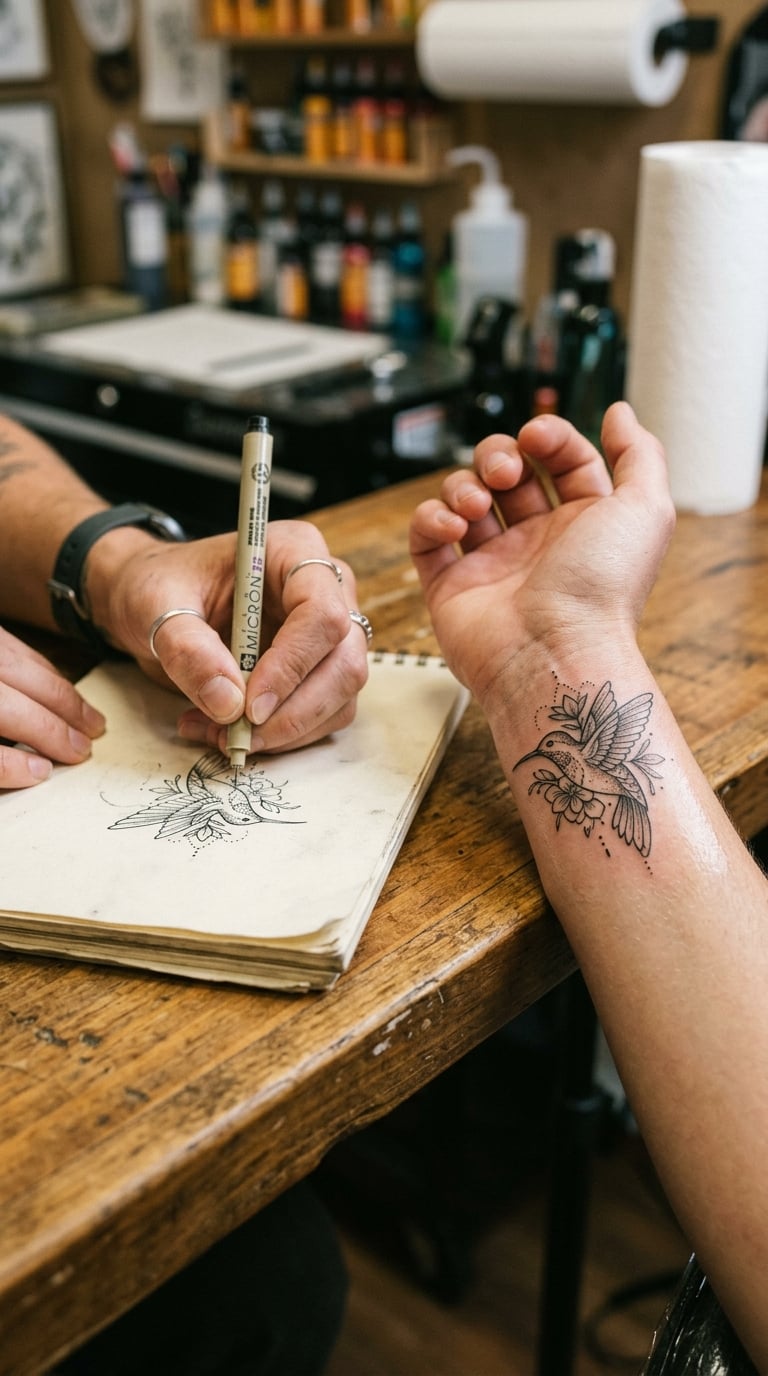
Six factors that move the number
- Artist hourly rate. Established artists with full books charge the most, and they are the ones whose work lasts longest. A newer artist working at a lower rate is not a compromise; plenty of them produce excellent small pieces.
- Shop minimum charge. The flat floor that covers the artist’s time, sterilization, needles, ink and the chair time you occupy regardless. Defined plainly: a shop minimum is the least a studio will charge for any session, however short.
- Detail and shading density. Linework is fast. Fine shading, stippling and colour saturation are slow, and detail is where designs quietly outgrow their size.
- Placement. Fingers, ribs, collarbone, neck, feet and hands need steadier positioning and stretch, which adds setup time. Curved and bony surfaces slow an artist down.
- Custom versus flash. Choosing from a flash sheet skips the design stage. A fully custom piece may carry a separate design fee, and some artists fold that into the session total instead of quoting it separately.
- Colour versus black and grey. Full colour is a time multiplier. Black and grey work, and simple black-only linework, sits at the cheaper end.
Add the smaller items on top and you have the real total. Deposits come off the final bill at most studios, and they are what hold your slot. Consultation fees are sometimes credited against the session and sometimes not, so ask. Tipping runs 10 to 20 percent in the US and is not optional in practice even though it is never printed on a quote. Aftercare products, the film or wrap, and any later touch-up session all belong in the budget.
One forum detail worth knowing: readers on r/tattooadvice and r/TattooBeginners regularly report that a single small tattoo’s actual consumables, ink, needles, film and time, run somewhere around $12 to $18. The rest of your quote covers the artist, the studio and the chair. That is normal, and it is a useful thing to remember before reading a number as a rip-off.
Design choice also affects the price more than people expect. If you have been scrolling 20+ meaningful small tattoos for men, a memorial piece with a date and a name is a different job than a lone symbol, and it should be quoted as one.
Placement and Pain Can Affect the Final Cost
Pain and price are related but not the same thing. An artist does not charge more because a spot hurts. What costs time is access, surface shape and how carefully the area has to be worked, and those overlap with the sore spots often enough to cause confusion.
| Placement | Typical pain level | Effect on price |
|---|---|---|
| Inner forearm, upper arm, outer bicep | Low | Base price |
| Wrist, ankle, calf | Medium | Base to slight premium, surface curves |
| Collarbone, sternum, shoulder cap | Medium to high | Premium common, bone right under skin |
| Fingers and knuckles | High | Premium common, awkward hold and thin skin |
| Ribs, spine, side torso | High | Premium common, tight skin and movement |
| Back of hand, top of foot | High | Premium common, thin skin over bone |
For hand placements specifically, the 18 small hand tattoo ideas that age well gallery is worth a look before you commit, since fine detail on the hands fades fastest.
Two practical notes. First, finger tattoos are the most quoted-up placement of the small category, and a lot of that premium is simply the difficulty of the hold, not markup. Second, if you are sensitive to pain, longer sessions at one spot hurt more than two short ones, so asking to split a piece into two appointments can lower both the price and the misery. Not every artist will say yes.
How to Get an Accurate Tattoo Price
The fastest way to a real number is a consultation. Send your reference, say exactly where you want it, and describe the size in inches or against a familiar object. Here is the checklist I would send.
- Reference images, two or three at most, in a style you actually like
- Exact placement, named clearly, and roughly how small you want it to be
- Whether you want black and grey or colour
- Whether you are choosing from their flash or asking for something custom
- Their hourly rate and flat minimum, both, if they have both
- Whether the quote includes a deposit, and whether the deposit comes off the total
- Whether a free touch-up window applies to your piece, and how long it stays open
- What aftercare products you need to buy separately
Asking “what is your minimum?” is not rude and it does not offend anyone. It is one of the most common questions on the tattoo forums, and any artist who is worth booking will answer it plainly. If you cannot get a straight answer before booking, that is your answer.
One more check that costs nothing: ask what the total looks like if the piece turns out to need a second session. It happens with detailed small designs, and knowing the rate in advance is far less stressful than discovering it.
Healing Timeline for a Small Tattoo
Small tattoos heal on the same schedule as large ones, they just have less surface area to monitor. Follow your artist’s aftercare instructions above anything written here, since they know exactly what you have on your skin.
| Time after the session | What is normal | Worth messaging the artist about |
|---|---|---|
| Days 1 to 3 | Redness, mild swelling, tenderness to touch, ink sitting near the surface | Pain that gets worse after day two instead of easing |
| Days 4 to 7 | Flaking, dry skin, the design looking faded or patchy as the top layer sheds | Heat, spreading redness, or discharge that smells off |
| Weeks 2 to 3 | The patchiness resolves, the lines settle back, skin calms down | Any area still actively flaking or angry |
| Weeks 4 to 6 | Surface healed, the piece looks like its final settled tone, no scabbing left | A blowout or a spot that stayed raised |
| Months 2 to 6 | Colour deepens, fine line detail softens slightly as skin turnover happens | Nothing urgent, but note anything for your free touch-up window |
The faded look in week one is the part that panics people most, and it is entirely normal. Top layers of skin flake away carrying pigment with them, and it settles back in. Do not scrub it, do not soak it, and do not pick.
Mistakes to Avoid
Shopping purely on the lowest advertised price. A rock-bottom rate is usually an opening offer on a bigger piece, and the artist is betting you will add something in the chair. Know your design and your size before you compare rates.
Forgetting the shop minimum. This is the most common sticker shock, and it belongs in the conversation. A 20-minute tattoo priced at a $100 minimum is not a trick. Set aside time to absorb it before you book rather than after.
Asking for a detailed design in a very small size. A shaded mini portrait at one inch does not hold up, and the artist who tells you so is saving you from a piece you will want covered.
Forgetting the extras. Tip, deposit, aftercare film, and a possible touch-up session. Ten percent of the session price is a small addition that avoids feeling shortchanged later.
Getting the quote in person, then feeling pressured to book on the spot. Nobody good will be offended if you want to think about it, and walk-in flash is a normal way to buy a small piece at a lower cost.
Not asking about the touch-up window. Free touch-ups are common, but only inside a stated period, usually a few months, and only if you followed aftercare.
Frequently Asked Questions
What is the average cost of a small tattoo?
A simple small tattoo, under about 2 inches, usually runs $50 to $180 in the US. The floor is almost always the studio’s flat minimum, which covers the artist’s time and materials no matter how short the session is. Detailed designs, colour, and placements like fingers, ribs or collarbone push toward or past the top of that band. Most people land in the middle, around $100 to $140, for a clean small piece.
Do tattoo shops charge more for wrist, finger, and collarbone tattoos?
Often yes, and the reason is practical rather than a luxury markup. Wrists, fingers, the collarbone and the top of the foot are thin, curved, or bony, so the artist needs a steadier hold, more setup and more careful stretching. That is extra chair time, and shops price time. Expect a modest premium over an inner forearm placement of the same size, and ask your artist to explain the surcharge on your specific spot.
How much does a flash tattoo cost compared with a custom design?
Flash is cheaper because the design already exists. You are picking from a sheet the artist drew and probably has tattooed before, so no design stage is billed. A custom piece adds time for sketching, refining and stencil placement, and some studios charge a separate design fee while others fold it into the session total. For a first small tattoo, choosing a flash design and asking for a small size change is a solid middle ground.
Are touch-ups included in the price of a small tattoo?
Many studios include one free touch-up inside a stated window, commonly a few months, provided you followed the aftercare instructions. Outside that window, or without aftercare, touch-ups are usually billed as a small session, often at a reduced rate rather than full price. Ask for the window in writing when you book, because it is the one part of the total that is easy to forget and annoying to chase later.
Is a cheap small tattoo worth it?
It can be, if you judge the portfolio and the hygiene rather than the number. A newer artist at a lower hourly rate can do beautiful small work. What is not worth it is a bargain where the artist is visibly rushed, the studio is not properly set up, or the design gets squeezed into a size that will not hold. A cheap tattoo that needs covering or removing costs far more than getting it done properly the first time.
Why do some artists charge a minimum even for tiny tattoos?
Because the minimum covers the fixed costs of the session, not the minutes of work alone: sterilization, needles, ink, caps and wraps, the chair and the studio’s rent, plus the artist’s attention and setup. A 15-minute tattoo still occupies a booked slot. Most artists treat a minimum as a fair floor rather than a penalty, so asking what the minimum is before you book is the easiest way to plan. It is a normal question and nobody reasonable minds it.
Conclusion
Budget $50 to $180 for a simple small tattoo, and treat the shop minimum as the real floor. Confirm four things before you book: the flat minimum, the hourly rate, whether your placement carries a premium, and what the touch-up window is. Then add your tip and any aftercare product to the total.
Get the design settled before the consultation, and how much do small tattoos cost stops being a mystery. Ask a qualified artist for a quote on your actual placement and size, in writing, and compare it against the ranges above. That is the whole job, and it takes one message.