
16 Best Tattoo Ideas for Grief and Loss (September 2026)
Tattoo ideas for grief and loss are permanent marks chosen to remember someone who has died — a name in their own handwriting, a sound wave from a last voicemail, a birth flower, a small bird on a bare branch. Grief tattoos can be large and public or tiny enough that only you know they are there.
This list of 16 memorial tattoo ideas covers both, with notes on placement, size, style and how each design settles over the years. If you are working around a birthday, an anniversary or a mother’s Day, most people book four to six weeks ahead, so start looking early rather than in the week itself.
1. Fine-Line Signature on the Inner Forearm
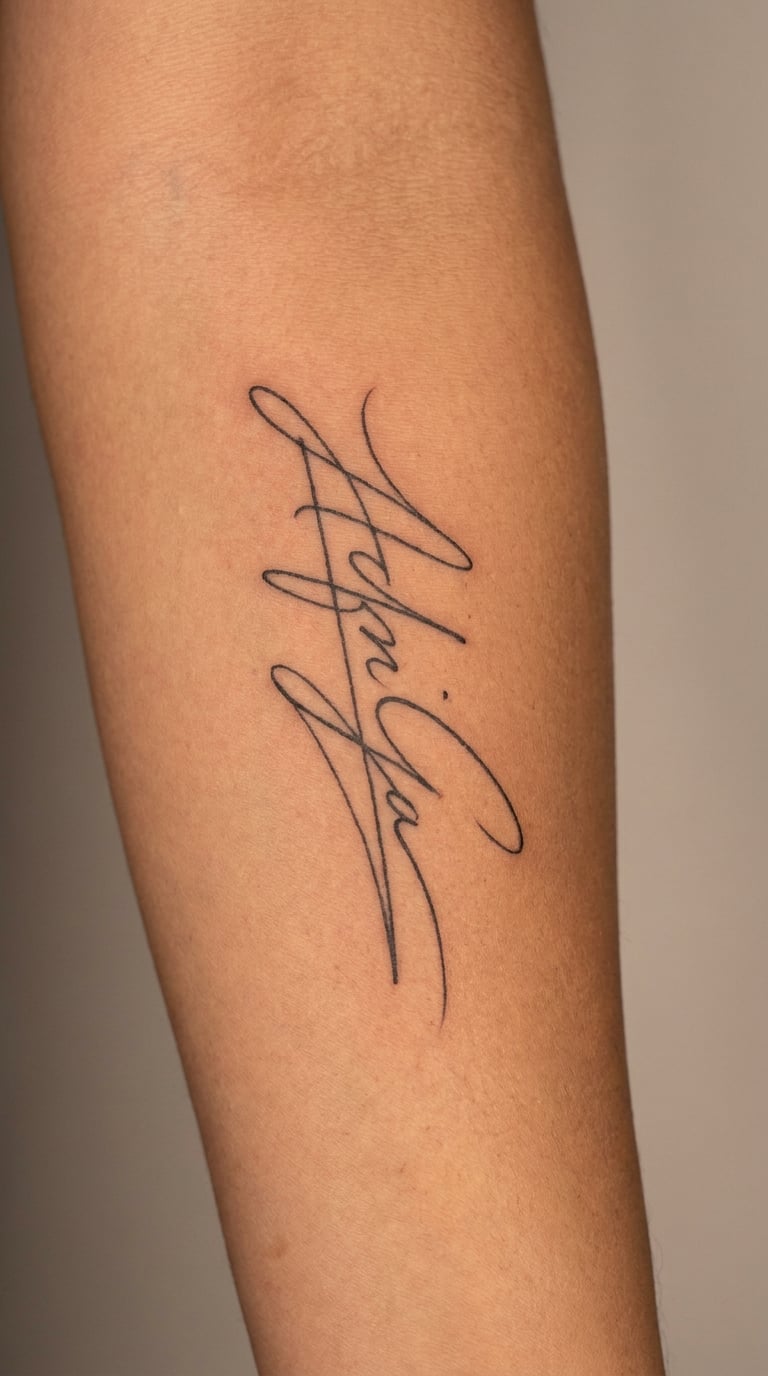
A signature in the person’s own hand is the most personal memorial tattoo you can get, and it is the one design that comes from something only you and your artist would ever have. Bring the original card, a letter or a page from a guest book if you can find it — a scan on a phone screen loses the nib texture that makes the design work.
Scale it to about two or three inches so the last letter is not squeezed. Fine line suits a curved inner forearm beautifully and reads as quiet rather than loud, which is what most people want from a signature. It softens and spreads a little over time, so a bolder single-weight line holds the shape longer if you want it crisp for decades.
Pain and time: the inner forearm is one of the easier places to sit through, roughly an hour for a piece this size, and it fades fastest of any spot on the arm.
2. Sound Wave of a Final Voicemail Along the Ribs
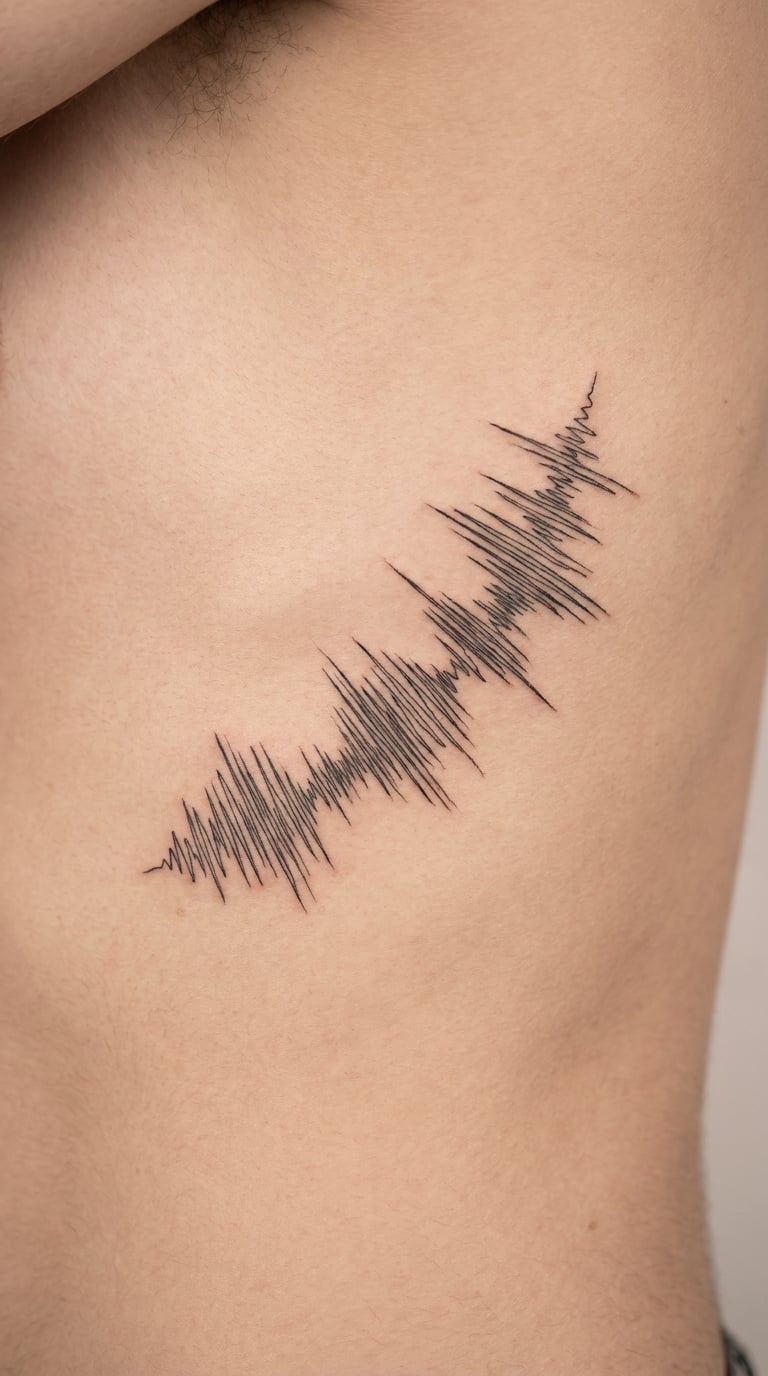
A waveform tattoo turns a few seconds of a voice into a line you can trace with your eyes, and it is the design grieving people describe most often as the one that undoes them. The clip does not need to be a full message. Ten seconds of your dad’s laugh or your grandmother reading a recipe is enough to carry the shape.
Artists work from a waveform generator, so send your audio file and a clipped section to the studio ahead of the session. Along the ribs, keep the line about a quarter inch wide and let it run from the front of the body toward the spine. Black fine line ages more gracefully here than grey wash, which turns muddy in that fatty skin.
Pain and time: ribs are genuinely uncomfortable and you will feel it breathe. Budget two hours, and eat beforehand, because you will not want to keep stopping.
3. Cardinal in Red and Black on the Outer Upper Arm
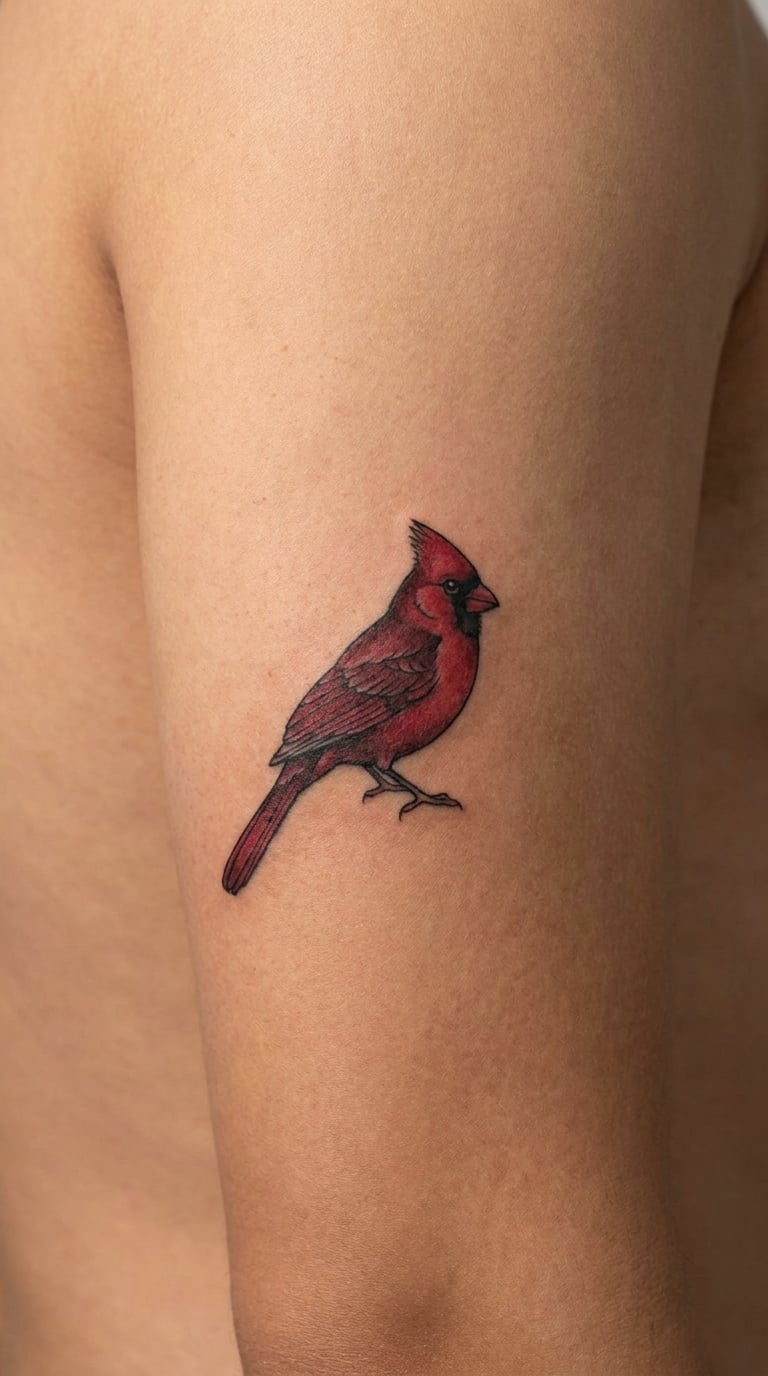
The cardinal is the bird most associated with a person who is still around you, and it is a genuinely popular choice rather than a tired one when it is done as a single bird instead of a flock. Red and black on skin needs an artist who mixes a warm red that does not turn brown once it settles in.
Three to four inches on the outer upper arm gives the bird room to be recognisable without turning into a sleeve. Red ages faster than black, so ask your artist for a pigment that fades toward warm rather than orange. If your family is not religious and you want something less familiar, a wren or a robin in a single-colour line does the same job quietly.
Pain and time: the outer upper arm is a medium spot, about an hour, and the skin there is meaty enough that most people find it steadier than they expect.
4. A Single Birth Flower Stem on the Top of the Wrist
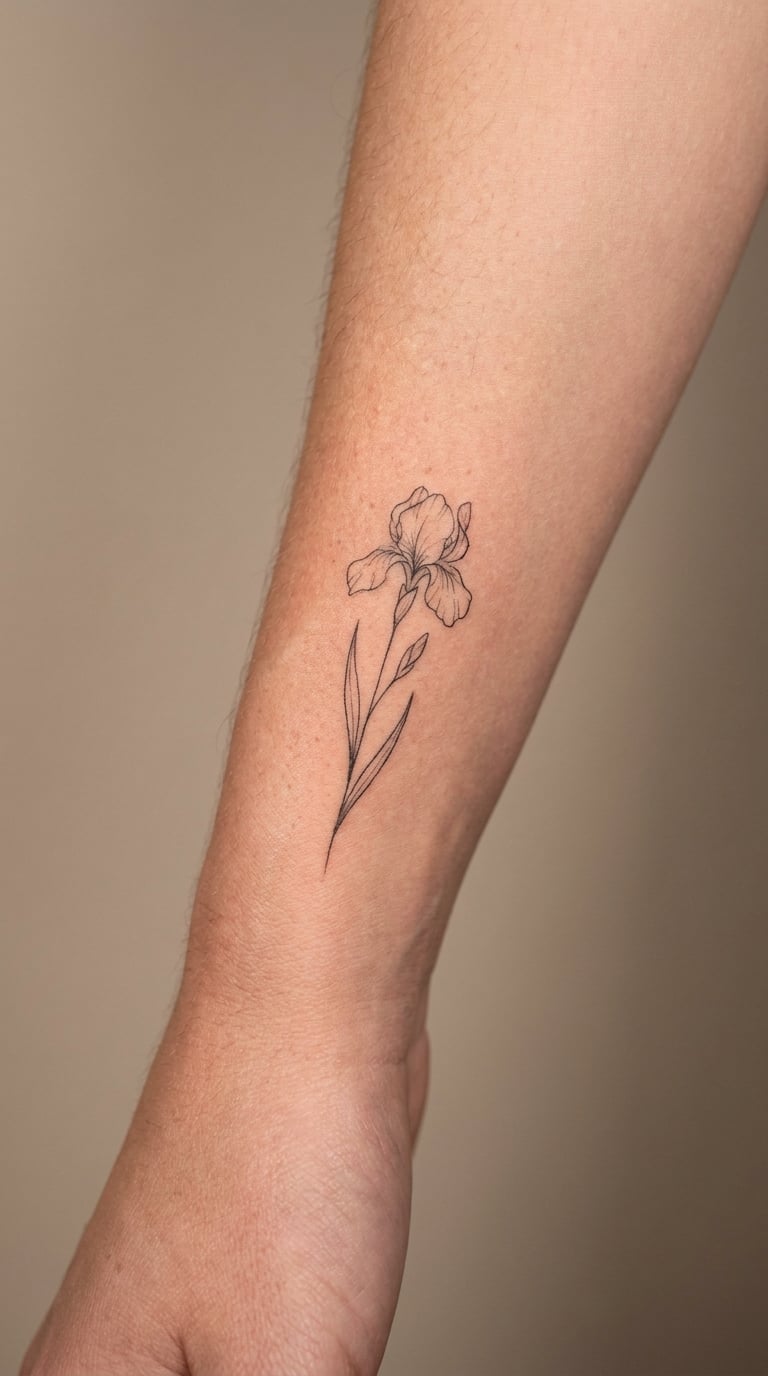
Every month has a flower, and getting your person’s is a way of saying something specific without a single word on your body. It works because nobody else knows why that stem matters to you, which is exactly the point of a quiet memorial tattoo.
Keep the stem around two inches and put it on the top of the wrist or inside the forearm, where the flower reads clearly and a sleeve cuff will not eat it. Botanical line work is one of the harder things to age well, so a heavier line weight and a slight fade in the petals will look intentional in fifteen years. Ask for a stylised botanical rather than a botanical print, which needs a level of detail the skin will not hold.
Pain and time: wrists are bony and there is little fat to cushion the needle. Expect an hour, some people flinch more here than anywhere else, and it is a common spot to need a break.
5. Micro Handwriting Note Behind the Ear
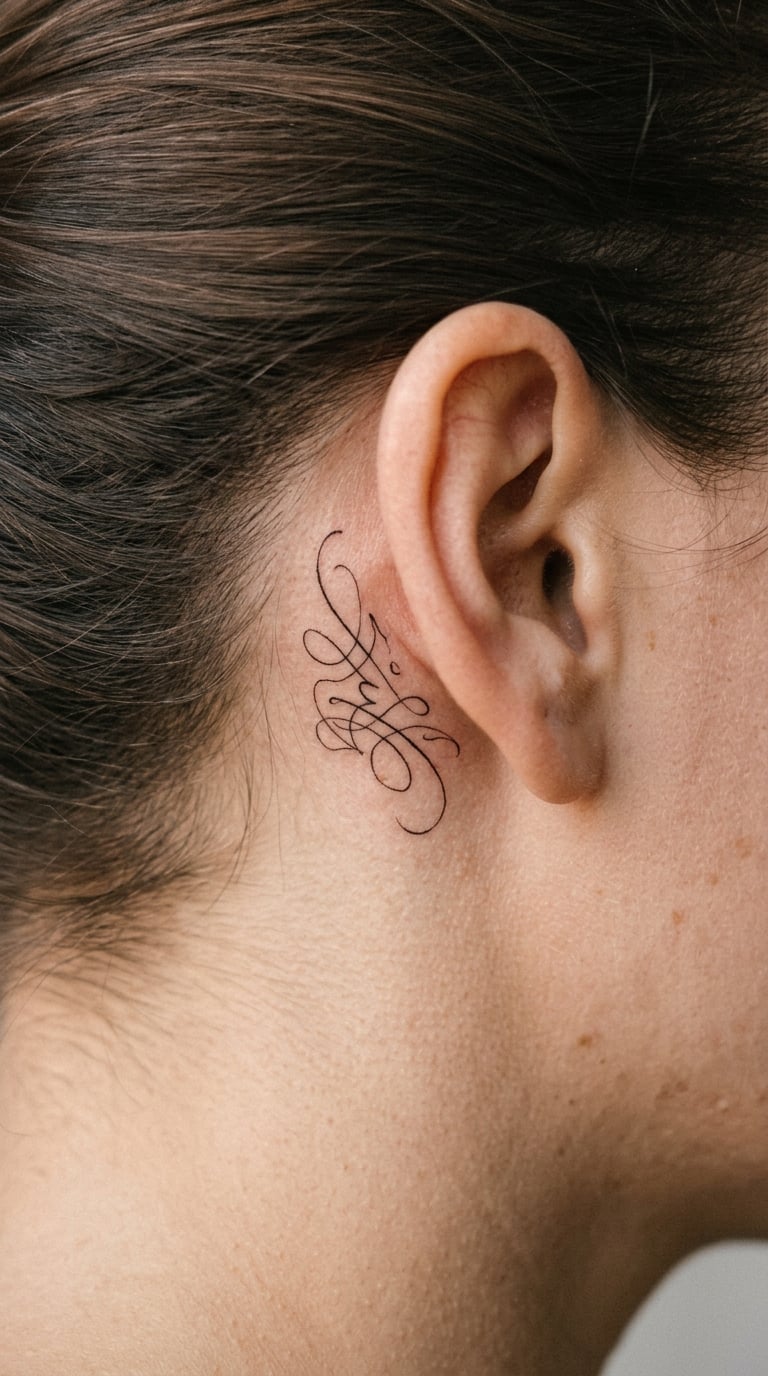
Behind the ear is the placement most people pick when a grief tattoo needs to be entirely theirs. The design can be a line of handwriting, a single word, or something so small that it is really a shape, and it is only seen when you tilt your head or push your hair back.
Nothing behind the ear can be bigger than about two inches, so a short line, a date, a signature or a few characters from a note is the practical limit. Fine line is the only realistic style at that scale, and a bold line that you can follow with a fingertip is more durable. Bring a straight-on photo of the original document, flat on a table, in even daylight — a shadow across a page loses whole letters.
Pain and time: quick, roughly 30 to 45 minutes, but the position is fixed and you cannot watch. Bring something to watch instead, and expect to lie still for it.
6. Micro-Realism Portrait of a Parent on the Upper Arm
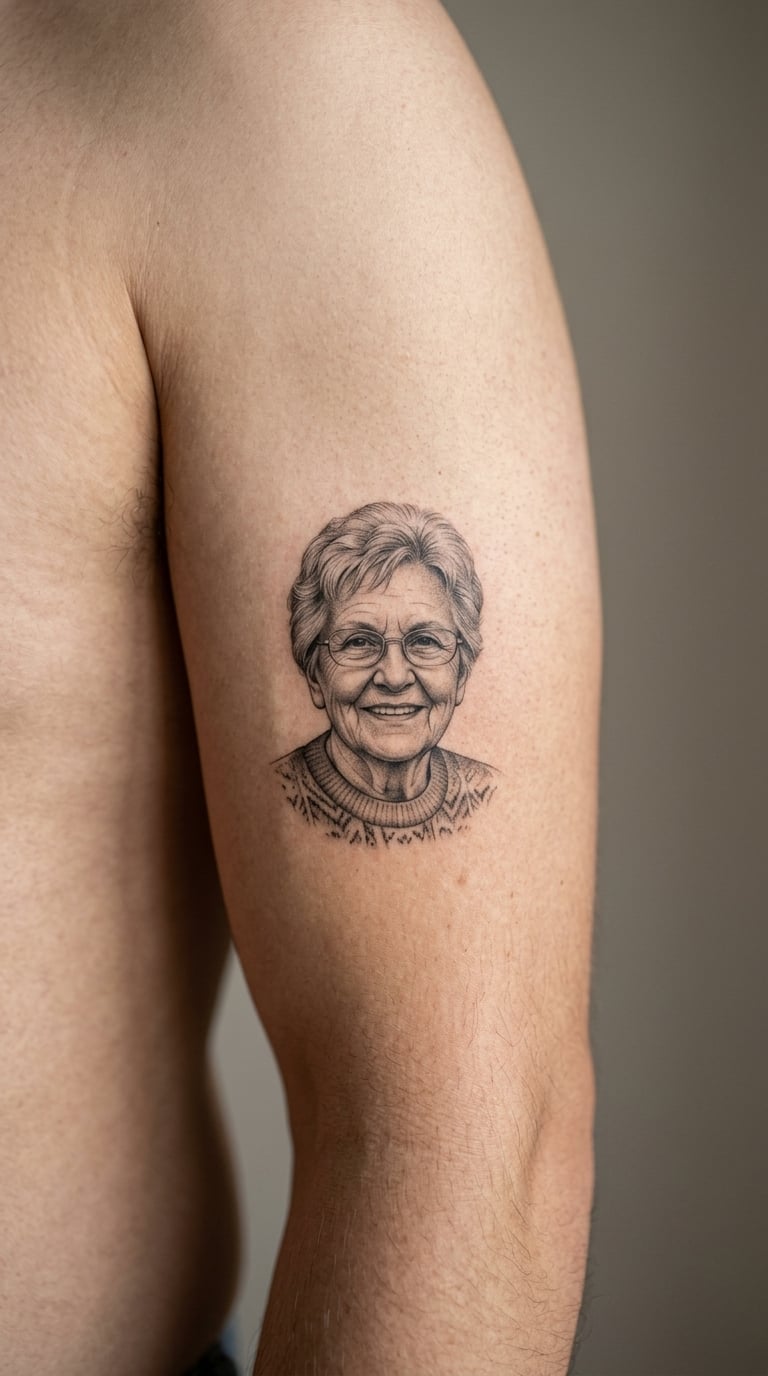
A portrait is the hardest and most rewarding design in this list, because it asks your artist to draw a specific face that no one else alive can correct. The good news is that it does not have to be large. Micro-realism portraits at two to three inches hold more detail than people expect and are far more forgiving over time than a big one.
Send the artist the best photograph you have, cropped to the face, in sharp focus, with the original if you own it — a phone photo of a printed picture is a hard no. The upper arm and the inner bicep both take a portrait well, and the skin there is stable. Ask to see the drawing before the stencil goes on, and remember this is a three to five hour job, not a walk-in.
Pain and time: long sessions on a sensitive area. Take a break every hour or so, and plan to have someone drive you home if it runs late.
7. Two Birds on a Bare Branch, Fine Line, on the Calf
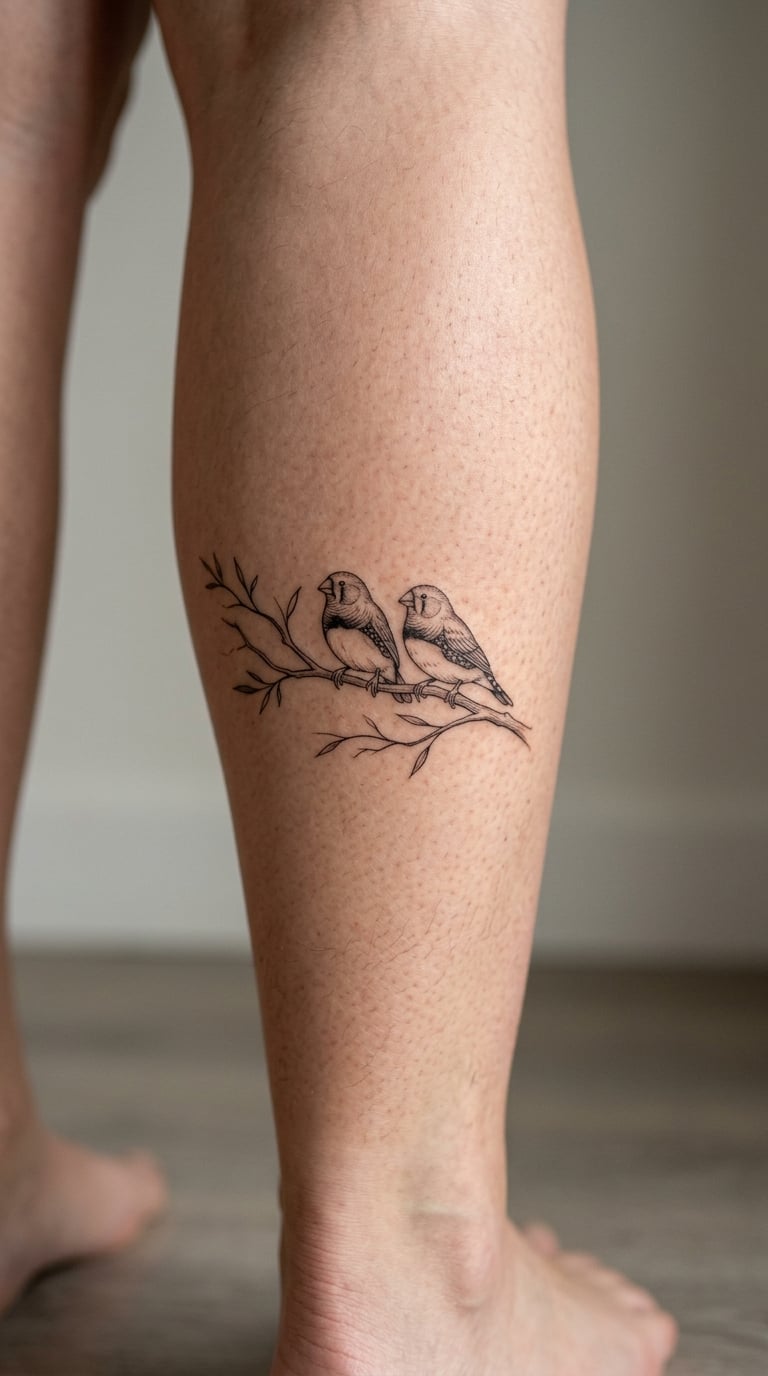
Two birds facing each other on a single branch is the most-drawn memorial tattoo in existence, and it is on this list because it genuinely works, not because it is expected. A bare branch with no leaves keeps it from turning into the round, full composition that ages badly.
The lower outer calf is the right stretch of skin for it. Black fine line here is stable, and a two-bird piece at about three inches wide sits comfortably above the ankle bone. If a flock feels too conventional, one bird alone on a branch reads as more restrained and takes a fraction of the time.
Pain and time: the calf is fleshy and one of the more forgiving places, around 90 minutes. Some people get tunnel vision and need to lie down — not a bad idea.
8. Latitude and Longitude of a Place That Mattered, on the Arch of the Foot
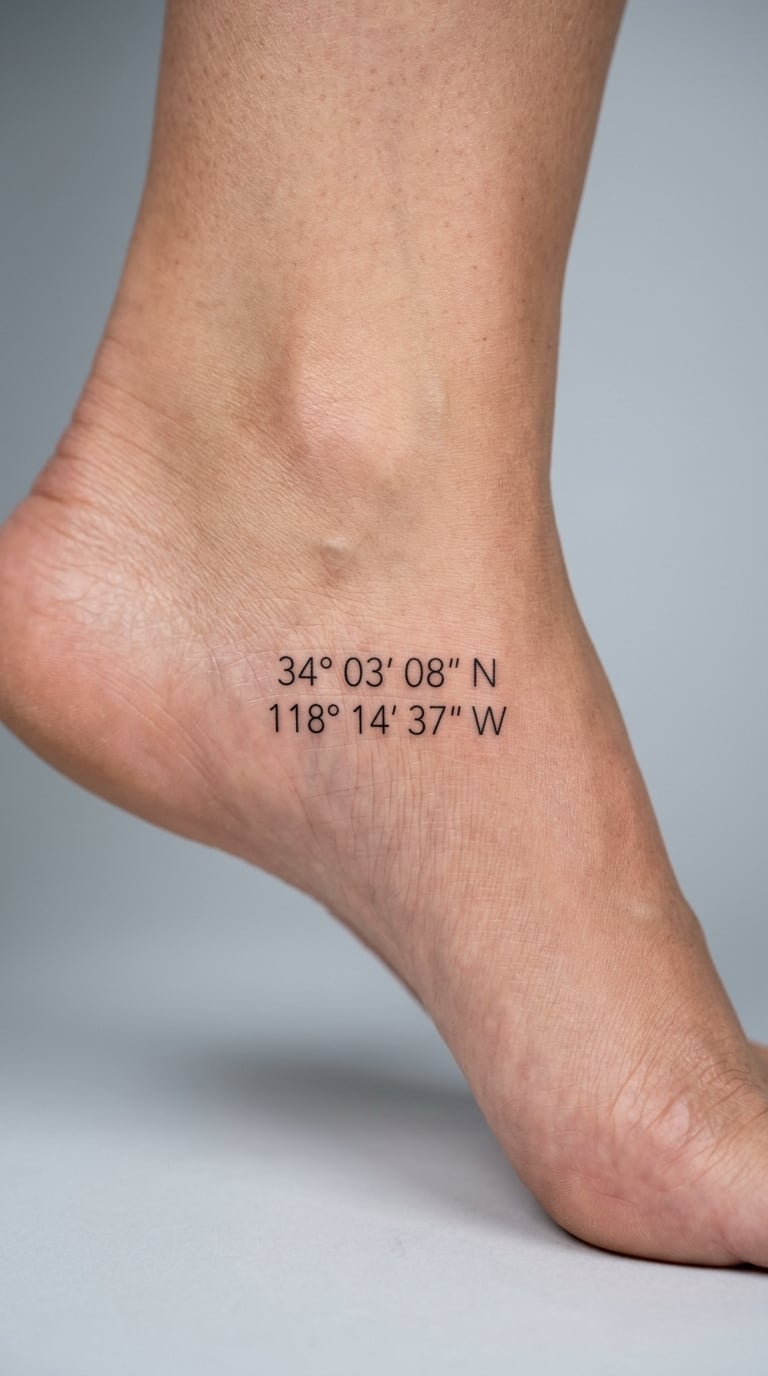
Coordinates point to a specific spot: the house you grew up in, the beach where something happened, the city you were both in the last time you were happy. It is a memorial tattoo that answers the question nobody asks, which is part of why people like it.
Numbers are small, so this lives on the arch of the foot, the inside of the ankle, or along a rib. Fine line is the only workable style, and the artist needs a large enough photo of the original writing or a printed map to copy the digits from, because your phone screen will not hold the detail. Foot skin is drier and fades quicker than arm skin, so plan for a top-up every few years.
Pain and time: the arch of the foot is a thin, twitchy spot and harder to hold still than your arm. Forty-five minutes to an hour, and you will want to fidget.
9. Paw Print with a Small Heart on the Inner Ankle
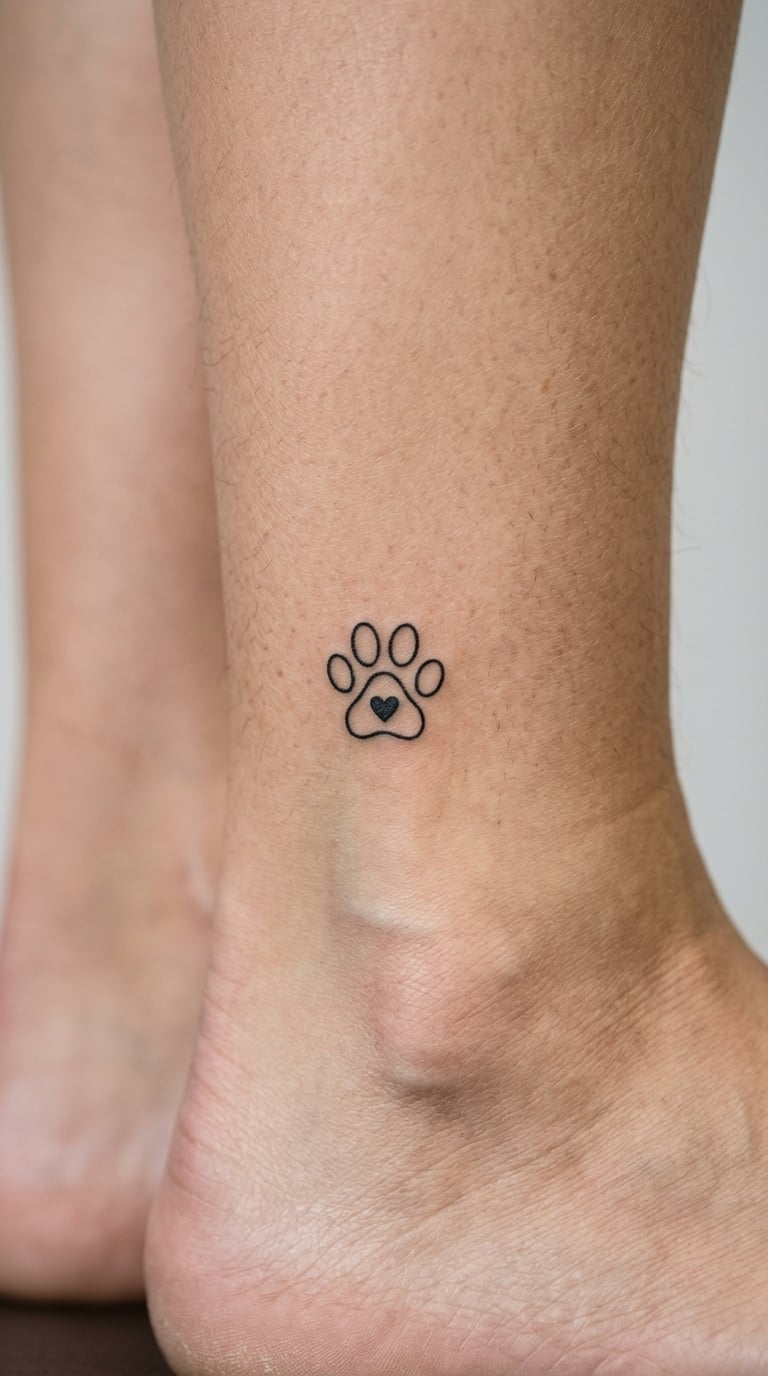
Pet memorial tattoos are the most common grief tattoo there is, and the reason is simple: you can get a paw print that actually resembles your animal’s pads rather than a generic one. If you can get a clean ink print on paper before they are gone, or a clear photo of the paw from underneath, bring that to the consult.
One to two inches on the inner ankle, a pair or a single print, and the heart optional rather than compulsory. Fine line will blur in that skin, so a slightly bolder line holds better. Pet prints are also the easiest grief tattoo to regret later if you get a new animal, which is a small thing but worth a thought.
Pain and time: the inner ankle is thin and sensitive. Half an hour for a small print, and the skin there is one of the first to show fading.
10. One Fine-Line Feather on the Inner Wrist
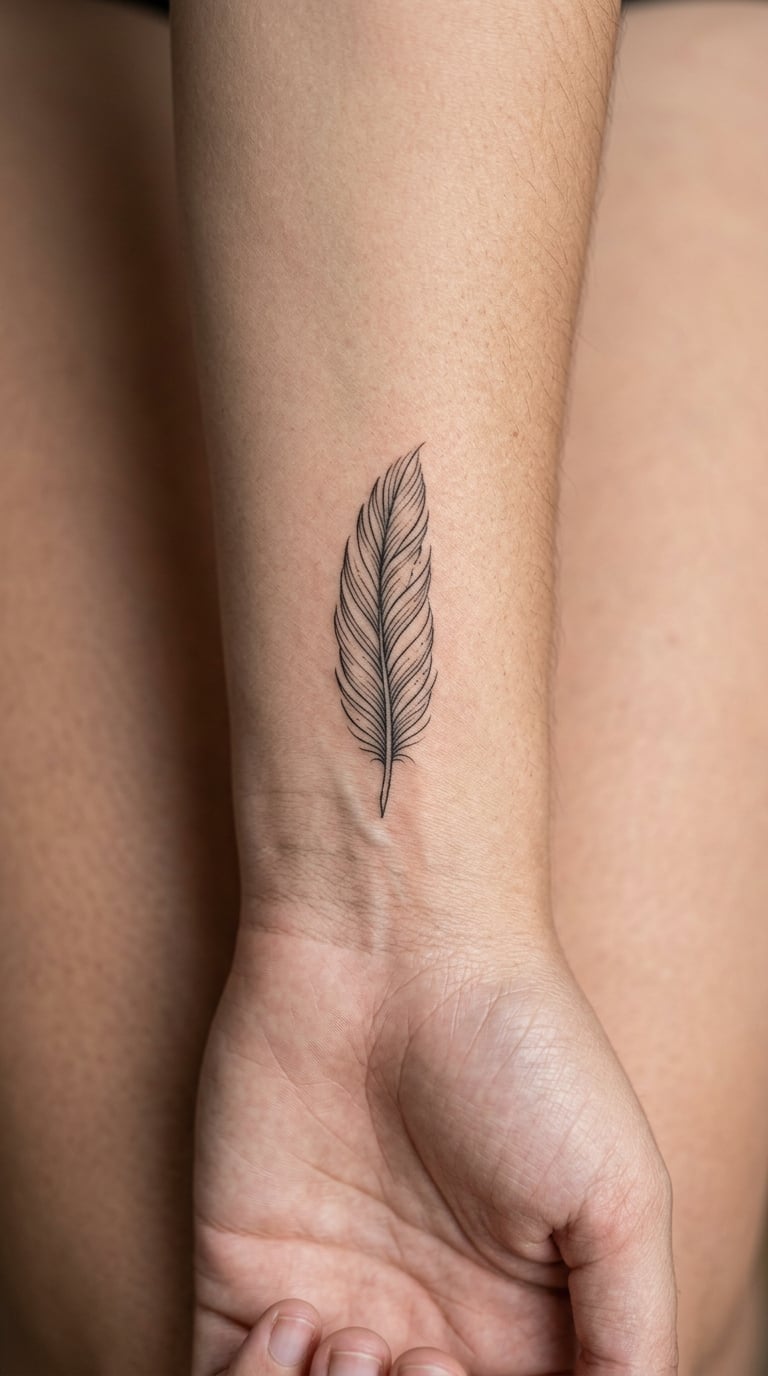
A feather says something about being carried, held up or still here, without committing to a religious reading. It suits people whose person had no belief system worth naming, or whose own faith has been complicated by the loss.
Keep it to one feather at about two and a half inches, running along the inner wrist so the quill follows the line of your forearm. Split the barbs so a little skin shows through; a solid feather goes grey and heavy-looking fast. Fine line suits it, and if you have a real feather that meant something, an artist can copy the exact shape rather than a stock template.
Pain and time: inner wrist again, about an hour, and a spot where you will watch the needle the whole time.
11. A Handwritten Date Range on the Outer Forearm
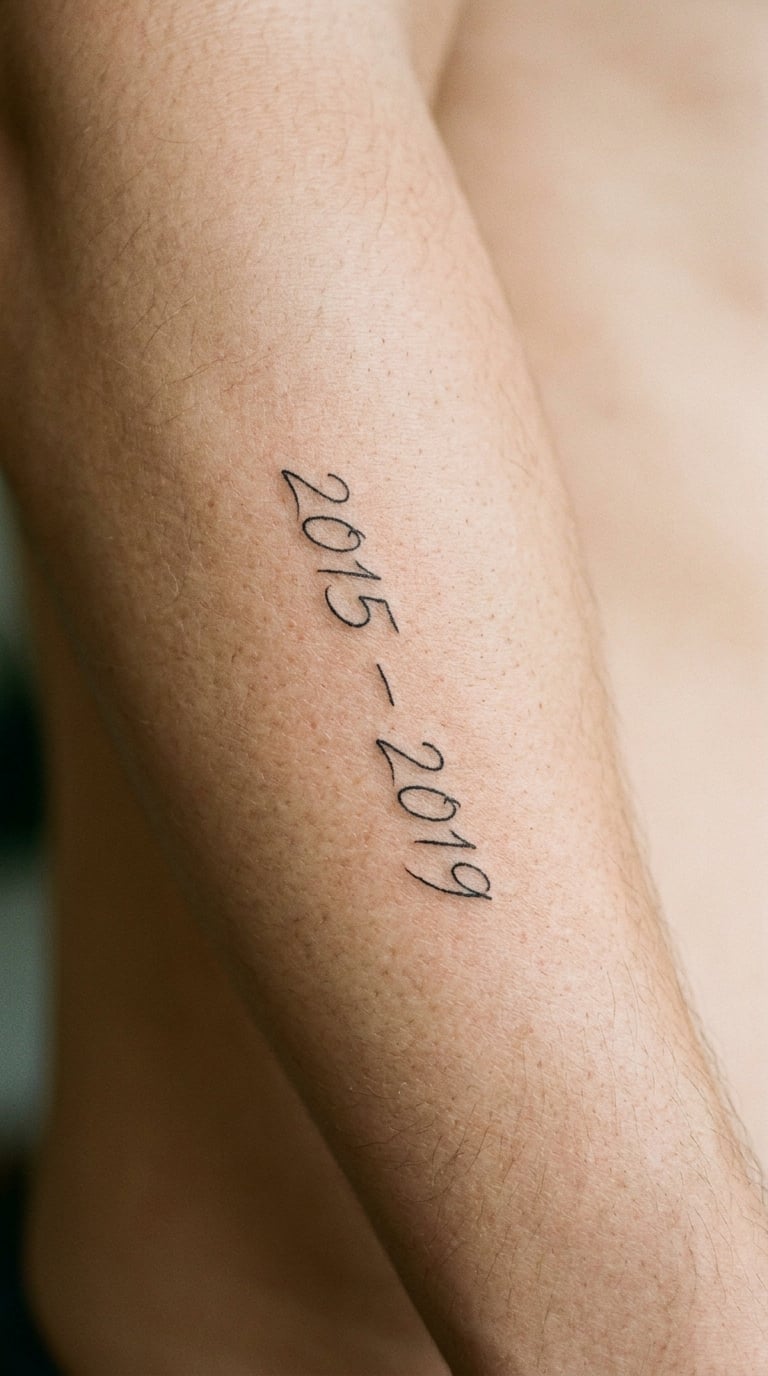
Two dates, in the handwriting that wrote them, is the quietest way to mark a life. Birth to death, or the years you had with someone, depending on what you want it to say. Most people do not want a date stamp with a cause of death attached, and they should not have one.
Dates belong on an arm where there is room to set them out: the outer forearm, the upper inner arm, or the calf. Set the script at a comfortable reading size, about half an inch tall, since a date squashed into small text is unreadable in ten years. Fine line in a single weight ages best here, and give the artist plenty of time on the lettering — rushed handwriting is the most recognisable tattoo mistake there is.
Pain and time: outer forearm, one to two hours depending on the length of the range. The letters need patience from both of you.
12. Watercolour Tree of Life on the Back of the Forearm
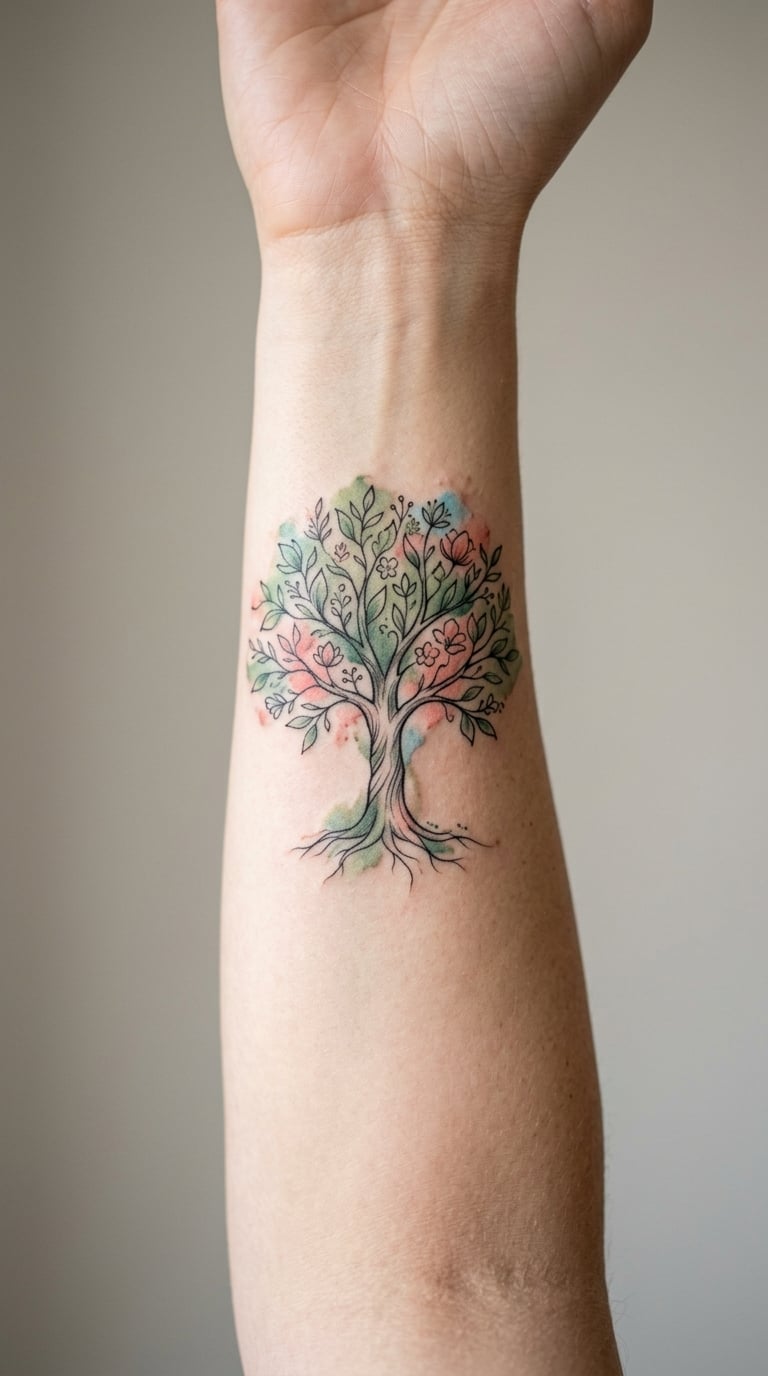
The tree of life is the symbolic choice, and it suits people who want the meaning to be readable to other people rather than hidden. A watercolour or soft-shaded treatment keeps it from looking heavy, with colour bleeding into the line work instead of sitting on top of it.
Size matters more than anything with this one. Below about three inches the leaves turn to mush as it heals, so plan for four inches or more on the back of the forearm, where the flat surface gives the branches somewhere to go. Watercolour tattoos are a specialist job — look for a portfolio with real healed work in it, not fresh photos from the last two weeks. Expect a first session and a colour touch-up a few weeks later.
Pain and time: the back of the forearm is a low-pain spot, but the session is long. Two to three hours, and possibly a second sitting.
13. A Botanical Piece That Holds a Fingerprint or Ashes
Some artists will mix a small amount of cremated remains into the black ink for a stem, a leaf or a wash behind a design. It is a real and practised option in many studios, and for pet loss it is especially common. Ask the studio directly who handles it and how they store and dispose of any unused material.
The legal side is straightforward but not universal: rules about placing human remains in tattoo ink vary by state and country, and the studio you choose will know their own position. The design is a botanical piece because fine line foliage hides a small inclusion without it looking like a mistake, and because a plant that outgrows a headstone is a decent metaphor. Be clear with yourself about whether you want this in year ten.
Pain and time: same as the botanical work underneath it, so an hour to two. The conversation beforehand takes longer than the tattoo.
14. An Olive Branch on the Collarbone
An olive branch is peace, and it is the one symbolic piece here that also works as a normal, wearable design. A single stem lying along the collarbone needs about three inches and reads clearly from across a room without being loud.
Fine line sits well on the collarbone, though that bone is prominent and the skin moves with your shoulder. Many people choose the left side to sit over the heart without making it about the heart, which is a subtler statement than it sounds. Some studios are happy to match an olive branch with a few small leaves carrying initials, and some prefer one clean stem, so agree the density before the stencil goes down.
Pain and time: the collarbone is sensitive because you feel every pass against bone. About 90 minutes, and sitting still is harder here than it is on an arm.
15. A Single Wave Line on the Sternum
One unbroken line that rises and falls across the sternum is a very small tattoo with a very visible placement. People choose it for a person associated with water, the sea, or for the simple reason that the shape looks like a line that keeps going. It is a design that fits the idea of continuing a bond without depicting the person at all.
Keep the wave to a single line across the sternum, roughly four inches wide, and let the artist follow the natural hollow between the two bones so it curves with you. Bold single-weight line holds better than fine line in this movement-heavy area. Sternum tattoos are visible in almost every top, which is the whole appeal if you want your grief tattoo read, and the main drawback if you would rather it stayed yours.
Pain and time: the sternum is bony and the ribs move with you, so it is an uncomfortable hour. It heals well, but sun exposure there is constant and the colour will fade first if you are not careful.
16. Watercolour Butterfly Behind the Knee
A butterfly is the most common metaphor for change in this whole category, and behind the knee is the least common place to put one. The result is a design that everybody recognises and nobody has seen, which is a good combination for a private memorial.
Behind the knee creases every time you sit, so a watercolour or soft shaded treatment beats fine line here — the detail would be swallowed by the fold. Size it around three to four inches wide and keep it to a loose wash with a defined edge rather than a full wing pattern. Healed work in that spot often needs a touch-up, because the skin under the knee is soft and takes ink differently than the rest of the leg.
Pain and time: the back of the knee is one of the more ticklish, sharper spots on the body, and the session is awkward to sit through. About an hour and a half.
Tattoo Ideas for Grief and Loss by Who You Are Honoring
Most searches land on a variant like this, so here is the same material sorted by relationship. It is a faster way to find the idea that fits, because what you are honouring usually decides the style before you do.
Tattoo Ideas for Grief and Loss of a Mother or Father
A parent’s handwriting, their birth flower, or a coordinate for the house you grew up in all carry weight. Parents’ memorials often lean botanical or script because that generation rarely had anything personal written in their own hand that survives, so a card or a book signature becomes rare and precious.
For a Husband, Wife or Partner
Partners lean toward portraits, sound waves and dates, and they also carry the most worry about future relationships. If that is on your mind, a placement on the ribs, inner arm or behind the ear gives you the same design with more privacy than a forearm.
For a Child Lost Young
Parents losing a child often choose the smallest design available for exactly the opposite reason: the weight of a large piece feels like too much to put on the body. A single letter, a footprint, a birth flower or one line of handwriting is common here, usually on the wrist, the arm or behind the ear.
For a Pet
Pet grief tattoos have their own rules: get a real paw print if you can, and be honest that you might change the name on it later. Ink mixed with ashes is a well-established option, and the results are usually small, fine line and easy to place almost anywhere.
For a Sibling or Friend
Shared jokes, an inside reference or a doodle from a notebook works better than a symbol here, because nobody else will get the joke. Those designs age the best of all, since they were never meant to be read by anyone but the two of you.
Symbol, Meaning and Where to Put It
If you are still narrowing it down, this is the fastest comparison. Symbol on the left, meaning in the middle, placement and size on the right.
| Symbol | What it carries | Suggested placement | Typical size |
|---|---|---|---|
| Handwriting or signature | Their voice, kept exactly | Inner forearm, upper arm | 2-3 inches |
| Sound waveform | A few seconds of their voice | Ribs, forearm | 3-5 inches |
| Birth flower | The month they arrived in | Top of wrist, inner arm | 2 inches |
| Cardinal | Someone still nearby | Outer upper arm | 3-4 inches |
| Two birds on a branch | Company, not being alone | Calf, upper arm | 3 inches |
| Feather | Being carried or held up | Inner wrist | 2.5 inches |
| Tree of life | A life that keeps growing | Back of forearm | 4 inches or more |
| Olive branch | Peace | Collarbone | 3 inches |
| Coordinates | A place that mattered | Arch of foot, ribs | 1-2 inches |
| Infinity | Still connected | Wrist, ankle, behind ear | 1-2 inches |
| Wave line | Keeping going | Sternum | 4 inches wide |
| Paw print | A specific animal, not a generic one | Inner ankle, arm | 1-2 inches |
Grief Tattoos for Men
Plenty of men get grief tattoos and almost none of the pages about them say so. In practice the difference is in design language and placement, not in emotion. A portrait, a sound wave or a set of coordinates is treated as serious, masculine ink because it is specific and unglamorous, and it sits well on the outer upper arm, the calf or the side of the chest.
Size is the other pressure, and you can ignore it. Plenty of the best memorial tattoos on men are a single fine-line line of handwriting on the forearm, and a small piece is easier to hide at work and easier to live with in a first year. What matters more than size is whether the design is finished and confident — a bold black line reads better than a faint one that looks like an unfinished sketch.
When Grief Is Still Too Raw to Ink
The most common piece of advice in grief communities is to sleep on it, and not just literally. Tattoos are irreversible and the first weeks and months after a death are exactly when a decision made at 2am tends to look different at 2pm. Waiting is not a failure to honour anyone; it is the ordinary way people avoid a permanent choice they did not make carefully.
Some situations need a different conversation. A relationship that ended badly, estrangement, a death by suicide or by overdose — these leave people unsure whether a memorial tattoo is honest or whether it locks them into a version of the person that no longer fits. Some people do it anyway and some decide against it, and both are fine. A tattoo that only makes sense to the two of you has a way of staying good; one meant to reassure other people tends not to.
Faith comes up often too. Whether getting ink is a sin depends entirely on the tradition you come from, and it is worth asking someone who will give you a straight answer rather than a reassuring one. Plenty of grieving people choose a design with no religious content at all precisely so that question never has to be answered.
On dating: a visible memorial tattoo tells people something true about you, and you are allowed to want that. If you would rather not explain it on a first date, the ribs, the inner forearm, the back of the knee and behind the ear all do the same work in a place nobody sees while you are having dinner.
What to Bring to the Tattoo Consult
A consult is where the design gets decided properly, and it is far cheaper than a mistake. These are the things worth sorting out before you sit down.
- The original, if it exists. A real card, letter or book with the handwriting in it beats any photograph, and the texture of the nib is the point. For a portrait, hand over the highest-resolution file you have rather than a photo of a print.
- Healed work from that artist. Ask to see tattoos on the same body part that were done two or three years ago, not the fresh ones from last week.
- Placement on your own body. Stand and sit and turn your arm over in front of a mirror before you commit. A design that looks good standing up can look different sitting down for eight hours.
- A sense of scale. Bring a photo of the size you want, not the size that fits. Artists work bigger than you picture by default.
- Your questions about healing. What happens if a line bleeds, what the touch-up is, whether sun will fade it, and what it looks like on your skin tone rather than on the studio wall.
- Time and money, honestly. A single line of script, a small symbol and a micro portrait are all different jobs, and the small ones can be quick while a portrait or a watercolour piece needs several hours and sometimes a second sitting. Get the estimate for the full design, including any touch-up, before you start.
After the session, keep it clean, keep it out of the sun, and do not pick the scab. Two weeks of sensible aftercare is what decides whether a fine line stays fine for thirty years.
Frequently Asked Questions
What tattoo symbolises grief?
The most common grief symbols are birds, especially the cardinal, feathers, the infinity mark, anchors, poppies, butterflies and bare branches. What actually communicates grief is not the symbol but its specific meaning to you: a cardinal for a person still around you, a poppy for a life cut short, an infinity mark for a bond that continues. Generic symbols carry a lot of other people’s meanings, so a design drawn from something only you had often lands harder.
What are some small tattoos that symbolise the loss of a loved one?
Small memorial tattoos are usually a single line of handwriting, a signature, one birth flower stem, a pair of coordinates, a tiny feather, a single bird on a branch, or one letter. They sit on the inner wrist, behind the ear, on the arch of the foot, the collarbone or a finger. Fine line is the only realistic style at that scale, and one detail that means something beats three that do not.
What phrases can I tattoo as a memorial to a loved one?
Short phrases people choose include their last words to you, a line from a letter or a note, a date range, a call sign, a nickname only the two of you used, or a single word like stay, still, home or enough. Anything a writer or a song has already said carries weight, but wording borrowed from someone famous sits oddly on skin and often gets read wrong. A phrase from the person you lost is nearly always the stronger tattoo.
What are some spiritual words that comfort someone who has grieving?
Common spiritual memorial words are souls, heaven, forever, rest, peace, in memory, shine on and until we meet again, usually paired with a small symbol such as a star, a dove, a halo or a cross. If your person had no faith, or yours has been complicated by the loss, the same comfort works without religious wording: a wing, a path, a horizon, a single candle or a tree out of frame.
Is it a sin to get a tattoo of someone who has died?
That depends entirely on the tradition you belong to, not on the tattoo itself. Some readings prohibit ink on the body, some restrict it to the living, and many treat a memorial marking as a devotional act rather than a transgression. Ask someone inside your own community who will be honest with you. If the answer stays unclear, a design with no religious content, placed privately, resolves the question without a fight.
When is the right time to get a memorial tattoo?
There is no waiting period that works for everyone, but the first few months after a death are the worst time to make an irreversible decision, and grief communities say so more often than anything else. Many people wait a year, often for an anniversary, and feel the date was a natural point to mark. If you are still unable to think about it without it undoing you, that is your answer. Others know quickly, and that counts too.
Conclusion
None of the 16 designs here is more correct than the others. The ones that age well tend to be specific, finished, and small enough to live with, and the ones people regret tend to be borrowed symbolism in a size chosen for other people.
Start by finding the original — a card, a note, a photo, a recording, a set of coordinates — and bring it to a consult where you can look at healed work on the placement you want. Tattoo ideas for grief and loss get easier once you have the one detail that is entirely yours. Everything after that is just drawing.