
Tattoo Aftercare Instructions for the First Week October 2026
A fresh tattoo is an open wound, and the first seven days decide what it ends up looking like. The colour, the line crispness, and whether it scars or gets infected all hinge on what you do this week. Most of the aftercare rule list reads like common sense once you see the why behind each step: gentle washing, breathable clothing, no soaking, no picking, and the discipline to leave it alone when it starts to peel.
This guide walks through tattoo aftercare instructions for the first week as a day-by-day plan. Use it alongside the written sheet your artist hands you, because their specific instructions for your piece and skin always win.
Tattoo Aftercare Instructions for the First Week
The first week of tattoo aftercare is built around three habits: keep the skin clean with fragrance-free soap, keep it lightly moisturised, and keep irritants off it. Wash twice a day, pat dry with paper towel, apply a thin layer of plain moisturiser, and wear loose cotton. Skip baths, pools, gym sweat, sun, and scratching. The surface closes around day 5 to 7, but the deeper skin keeps healing for another 2 to 3 weeks.
Day 1: Right After the Appointment
Your artist either wraps the tattoo in cling film or applies a medical-grade adhesive film (Saniderm, Dermalize, or Tegaderm). Both protect the fresh wound from bacteria and clothing friction, but they work differently for the next 24 hours.
If you have a traditional cling-film wrap, leave it on for 1 to 2 hours, no longer than overnight. Remove it under lukewarm running water so the adhesive does not drag at the skin. Wash your hands first, then gently clean the tattoo with lukewarm water and a drop of fragrance-free liquid soap. Do not use a flannel, loofah, or your fingernails.
Pat dry with a clean paper towel (cloth towels harbour bacteria), let the skin air dry for a minute, then apply a rice-grain-thin layer of aftercare ointment. Wrap the tattoo loosely in clean cling film or leave it uncovered per your artist’s advice.
If you have second skin on, leave it alone for 24 hours. Small amounts of plasma pooling under the film are normal. You can shower briefly with the film on; just pat it dry after.
Day 2-3: Keep It Clean and Let It Breathe
From day 2 on, switch to a twice-daily wash-and-moisturise routine. Morning and night, wash gently with lukewarm water and fragrance-free soap, pat dry with paper towel, and apply a thin layer of unscented moisturiser (a plain lotion like Lubriderm or Eucerin works for most people).
During the day, wear loose cotton clothing over the tattoo so the fabric breathes. Synthetic or tight material traps heat and rubs at the scab forming on top. The tattoo will look red, slightly raised, and feel warm to the touch. That is normal inflammation, not infection, and it settles over the next few days.
If you are using second skin, your routine looks different: keep the film on for 3 to 5 days total as your artist recommended. You can shower normally with the film on and even see plasma collecting underneath. Only remove it early if it leaks, peels at the edges, or you spot redness spreading outside the film.
Day 4-6: Itching, Flakes and What Not to Pick
Around day 4 the tattoo starts to feel tight and itchy. A thin layer of dry skin or fine flakes begins to lift, almost like a mild sunburn peeling. This is the epidermis regenerating and the dead outer layer sloughing off. It is the most uncomfortable phase, and it is also when the worst mistakes happen.
For itch relief, tap the tattoo lightly with clean fingertips, apply a thin layer of moisturiser, and resist the urge to scratch. If the itch wakes you at night, a cool (not cold) compress held over the clothing for a few minutes works better than anything else.
Picking, pulling at flakes, or scrubbing the scab pulls ink out with it and leaves a pale patch that may never fill in. Leave every flake to fall on its own, even if it is hanging by a thread.
Warning signs that are not normal healing: redness that spreads outward in a streak, swelling that gets worse after day 3, hot to the touch compared to the surrounding skin, thick yellow or green discharge, or a foul smell. Those are reasons to message your artist and see a doctor, not reasons to wait it out.
Day 7: The First Milestone
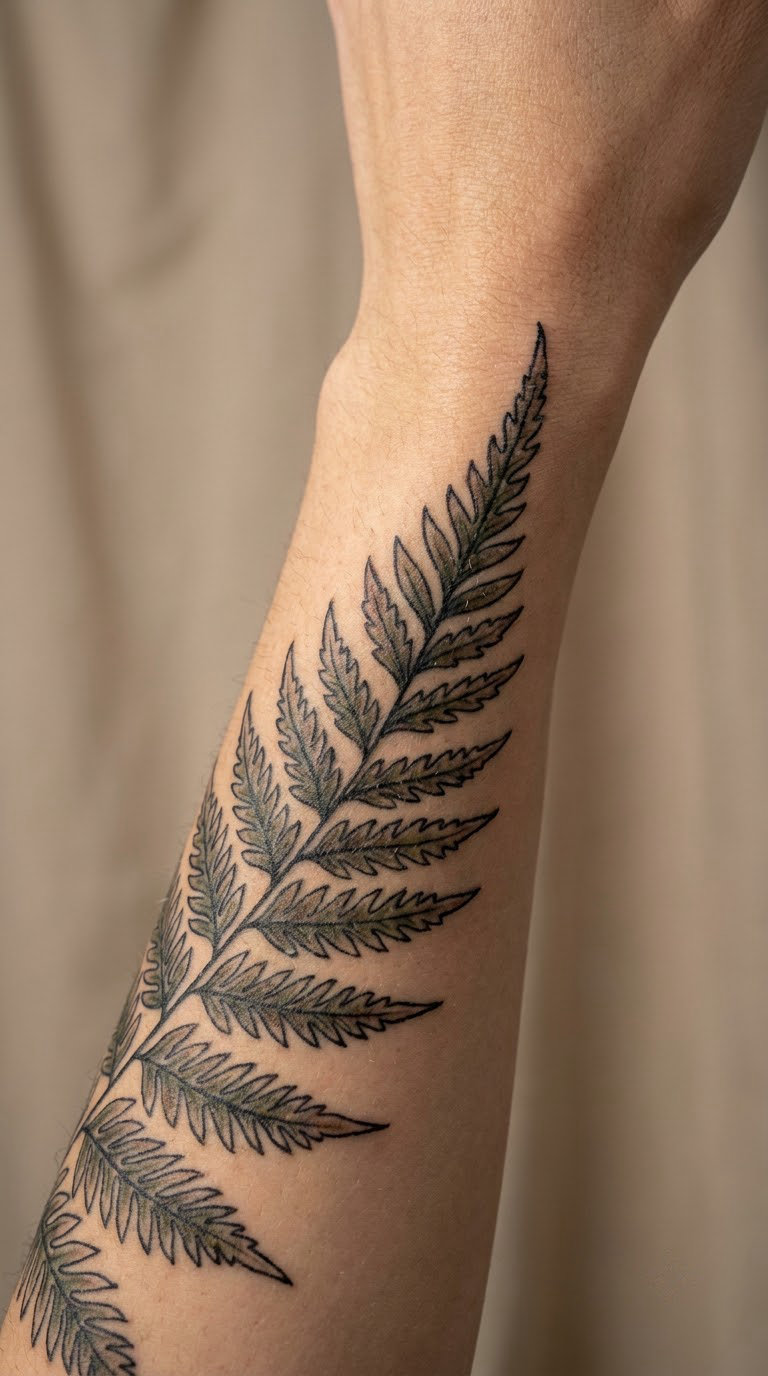
By day 7 the surface of the tattoo should be closed, the flaking should be mostly gone, and the skin should feel soft rather than tight. The colour often looks dull or foggy at this stage because a thin new layer of skin sits over the ink. That haziness lifts over the next 2 to 3 weeks as the skin settles and the ink deepens again.
The first week is over, but the tattoo is not done. The deeper dermis is still rebuilding collagen around the ink particles, and that process takes another 2 to 3 weeks. Keep moisturising morning and night, stay out of direct sun, and avoid soaking the tattoo in baths, hot tubs, or pools for at least 3 to 4 weeks total.
If anything looks patchy, raised, or shiny once the surface flaking is gone, leave it alone. It usually smooths out as the deeper layers finish healing. If it still looks off at the 4 to 6 week mark, that is when a free touch-up conversation with your artist makes sense.
Healing Timeline by Week
This table gives you the full picture beyond day seven, so you know what is normal and what still needs protecting.
| Week | Surface status | What to do | What to avoid |
|---|---|---|---|
| 1 | Red, raised, then tight and flaky by day 5 to 7 | Wash twice daily, moisturise, wear loose cotton | Picking, scratching, soaking, gym sweat, sun |
| 2 | Flaking done, skin looks dull or foggy, mild itch may linger | Continue moisturising morning and night | Baths, pools, hot tubs, direct sun, exfoliants |
| 3 | Surface looks normal but colour still settling underneath | Begin SPF 30+ on the tattoo if exposed to sun | Long soaks, scratching at any lingering dry patches |
| 4 | Most tattoos look fully healed on the surface | Resume normal skin care, keep SPF on the tattoo | Assuming colour is final: it is close, but a touch-up check is fair at 6 weeks |
What to Use (and What to Skip) on a New Tattoo
Use the same plain, fragrance-free products the whole way through. Your tattoo does not need anything fancy, and a few everyday products can ruin healing skin.
| Use | Skip in week one |
|---|---|
| Fragrance-free liquid soap (Dr. Bronner’s baby, Gold Dial) | Bar soap with fragrance or antibacterial bar soap |
| Plain unscented lotion (Lubriderm, Eucerin, Aveeno) | Petroleum-heavy ointments in thick layers (occludes pores) |
| Paper towels for patting dry | Cloth towels, flannels, loofahs |
| Loose cotton clothing over the tattoo | Tight synthetics, wool, rough denim |
| Clean cotton sheets, changed every 2 to 3 days | Pet bedding or unwashed bedding in the first week |
| SPF 30+ once the tattoo is fully closed (week 3+) | Sunscreen on a still-healing tattoo (week 1 to 2) |
Mistakes to Avoid in Week One
Most tattoo healing problems trace back to one of these six mistakes. They sound obvious after the fact, but every first-timer hits at least one.
- Soaking the tattoo. Baths, hot tubs, swimming pools, and the sea all expose a fresh tattoo to bacteria and break down the forming scab. Showers only, tattoo facing away from the spray.
- Re-wrapping the tattoo at home. Once the artist removes the initial cover, leaving it uncovered lets the skin breathe. Wrapping it back up traps moisture and bacteria.
- Scratching or peeling the flakes. Every flake you pull is a small patch of ink coming with it. Tap, moisturise, leave it alone.
- Going back to the gym too soon. Sweat, stretching, and friction across a fresh tattoo all slow healing. Plan a 5 to 7 day break from heavy lifting and cardio.
- Sun exposure in the first two weeks. UV damages healing skin and fades fresh ink fast. Cover the tattoo with loose clothing and stay in the shade.
- Trusting random home remedies. Lemon, toothpaste, kitchen petroleum jelly, and undiluted essential oils do not belong on a healing tattoo. Stick to the plain products on the table above.
Sleeping, Showering and Working Out With a New Tattoo
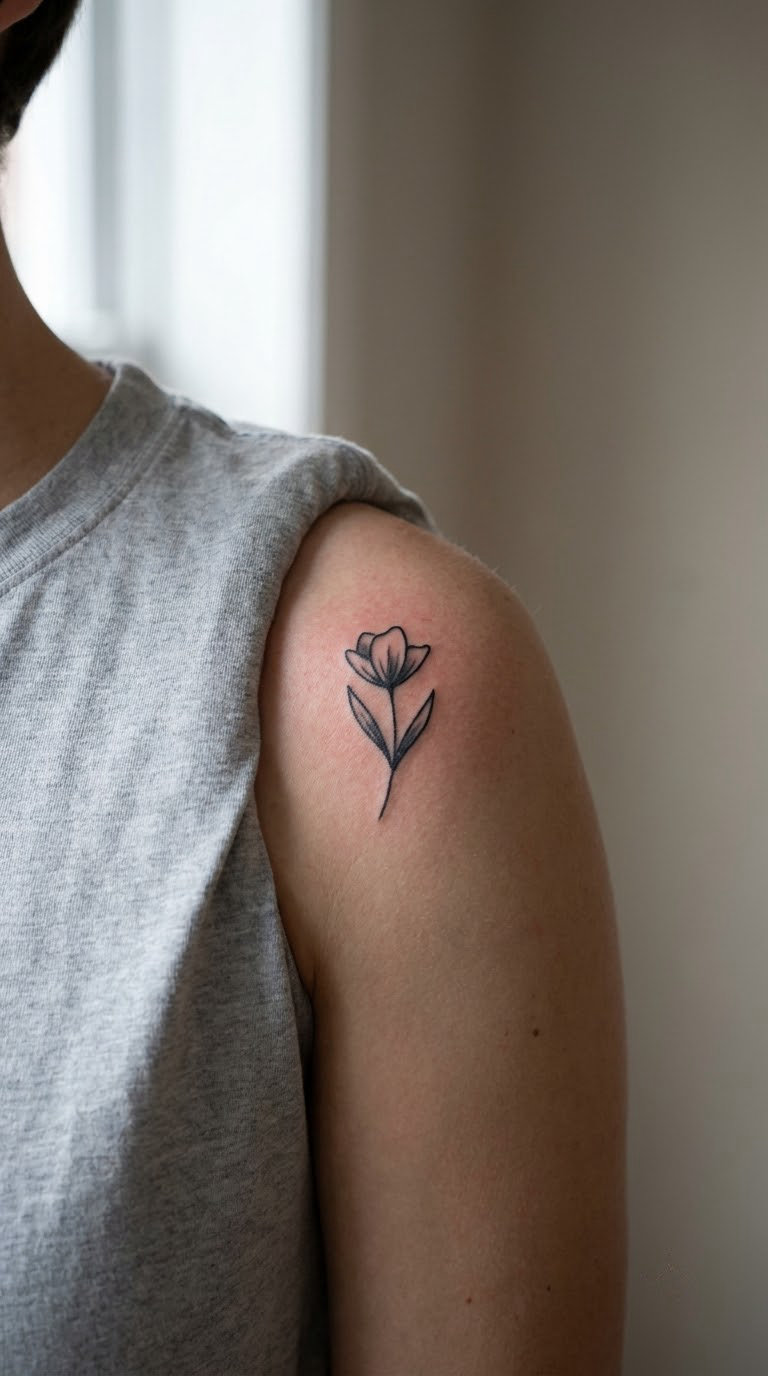
Sleep, showers, and movement are the three parts of the day that decide whether week one is comfortable or miserable. A few small habits make a real difference.
For sleeping, change your sheets the day you get the tattoo, and again on day 4 when flaking kicks in. Wear a loose cotton t-shirt over the tattoo, or sleep with the tattoo uncovered if it is on a part of the body that does not press into the mattress. Avoid sleeping on the tattoo for the first week if you can, and skip the body lotion on the skin next to it so it does not smear onto the new ink.
For showering, keep them short, lukewarm, and angle the spray away from the tattoo. Do not let the water hit it directly for the first few days. Pat dry with a paper towel when you get out, then moisturise.
For working out, light walking is fine from day one. Anything that floods the tattoo with sweat, stretches the skin over the design, or has equipment rubbing against it (bench press on a chest piece, deadlift bar across a forearm piece) should wait 5 to 7 days. Heavy sweat in week one is one of the most common reasons a tattoo ends up patchy.
If you are still choosing your first piece, our 20 Tattoo Placement Ideas for First Timers guide is worth a read before booking, since placement changes how strict the aftercare week has to be.
Frequently Asked Questions
How long does it take for a new tattoo to stop hurting?
Most tattoos stop actively hurting within 24 to 48 hours, though the area stays tender to the touch for around a week. By day 5 to 7 the sharp soreness is usually gone, replaced by an itchy tight feeling as the skin flakes. Lingering pain past day 7, especially with swelling or heat, is worth a message to your artist.
Can I shower normally during the first week of tattoo healing?
Yes, short lukewarm showers are fine from day one. Avoid aiming the spray directly at the tattoo, do not soak it, and do not submerge it in a bath, pool, or hot tub. Pat the tattoo dry with a clean paper towel when you get out, then apply a thin layer of moisturiser.
When can I start moisturising a new tattoo?
You can start moisturising the day you remove the initial bandage, after the first gentle wash and pat dry. Use a thin layer of plain unscented lotion, applied two to three times a day for the first week. A heavy layer suffocates the skin, so less is more.
Is it normal for a tattoo to peel and itch on day 4 or 5?
Yes, peeling and itching around day 4 to 6 is the most common part of healing and a sign the epidermis is regenerating. Flakes come off on their own, and the itch eases with a light tap and a thin layer of moisturiser. Picking at the flakes pulls ink out, so leave them alone.
When can I go back to the gym after getting a tattoo?
Most artists recommend 5 to 7 days off from heavy sweating, stretching, and equipment friction on the tattoo. Light walking is fine from day one. If your piece sits on a high-friction area like a chest, shoulder, or ribs, give it closer to a full week before lifting.
What does an infected tattoo look like in the first week?
An infected tattoo usually shows redness that spreads outward in a streak, swelling that gets worse after day 3, hot skin around the tattoo, and yellow or green discharge with a bad smell. Some tenderness is normal, but pain that increases rather than decreases past day 3 is not. Contact your artist and a doctor if you see these signs.
Final Word on Week One
The first week sets the foundation. The next two to three weeks are where the tattoo actually finishes, and the single most useful habit is the simplest one: follow the written aftercare sheet your artist gave you, not the conflicting advice from a forum thread or a friend’s second cousin. If you are still planning your first piece, browse our 30 Simple Tattoo Ideas That First-Timers Will Love and 24 First Tattoo Ideas for Women for inspiration, then book a consultation with an artist whose healed work you actually like. A clean week one, a patient month after, and the tattoo you walked in for.