
Does Laser Tattoo Removal Leave Scars? (October 2026)
Laser tattoo removal rarely leaves a scar when the treatment is performed by a trained clinician using the right laser and you follow proper aftercare. Scarring is a real risk, but it usually comes from a handful of preventable mistakes: wrong laser settings, popping blisters, sun exposure, or rushing the healing timeline. Most of the marks people worry about after a session are not scars at all, they are temporary redness, swelling, or hypopigmentation that fades on its own.
If you have a tattoo you no longer want and you are weighing the scarring question, the rest of this guide walks through what actually causes scars, how to spot the difference between healing and harm, and what to do if something does go wrong.
Does Laser Tattoo Removal Leave Scars? The Honest Answer
Modern laser tattoo removal does not have to leave a scar. Q-switched and picosecond lasers target ink particles in the dermis without burning the surrounding skin, and the body clears those fragments through the lymphatic system over the following weeks.
Scarring happens in a small minority of cases, and when it does, there is almost always a clear cause: an inexperienced technician, settings that were too aggressive, or aftercare that was skipped or rushed. Reviewers and dermatology sources consistently report a low scarring rate when treatment is done correctly.
The marks most people mistake for scars are not scars. Redness, swelling, pinpoint bleeding, small blisters, and temporary lightening (hypopigmentation) or darkening (hyperpigmentation) are all common side effects that fade over weeks to months. A true scar is raised, firm, or texturally different from the surrounding skin, and it does not resolve on its own.
Laser Tattoo Removal vs. Other Removal Methods
Laser is the gold standard because it works on the ink without cutting or sanding the skin. Q-switched Nd:YAG lasers and picosecond devices like PicoWay and PicoSure break pigment into tiny particles that the immune system removes over a series of sessions.
Older removal methods carry much higher scarring risk. Surgical excision cuts the tattoo out and closes the skin with stitches, leaving a linear scar the length of the original design. Dermabrasion sands the top layers of skin down to the dermis, which can cause widespread textural change. Salabrasion uses salt and abrasion, and tattoo removal creams rely on chemical irritation, both of which can damage skin without fully removing the ink.
If your goal is to remove the ink with the least possible mark, laser is the safest option. The risk of scarring is low, and most of the marks that do appear come from how the treatment and healing were managed, not from the laser itself.
What Actually Causes Scarring During Laser Removal
Scarring is almost always traceable to one of a few specific causes. Knowing them is the easiest way to avoid them.
Technician error is the most common cause. Using the wrong wavelength for a given ink color, setting the fluence (energy) too high, choosing the wrong pulse duration, or stacking pulses too close together can all cause thermal damage to the dermis that heals as a scar. A trained specialist will calibrate the laser to your skin type and ink color and start conservatively.
Too-aggressive treatment in an attempt to finish in fewer sessions is a close second. Promises of full removal in two or three visits are a red flag. Safe removal needs 6 to 12 sessions for most tattoos, with proper healing time between each one.
Poor aftercare causes the rest. Popping blisters, picking scabs, scratching the area, hitting the gym too soon, and skipping sunscreen all push healing skin toward a scarred outcome. Sun exposure on freshly treated skin is one of the fastest routes to permanent pigment change.
Finally, treating over an already-scarred tattoo or one that was applied too deep in the skin can reveal or worsen scarring that was always there.
Pre-existing scar tissue
This one catches people by surprise. Many tattoos, especially older ones or stick-and-poke pieces, were placed over small scars, abrasions, or uneven skin. The ink hid that texture for years. As the laser clears the pigment, the underlying scar can suddenly become visible even though the laser did not cause it.
A good clinic will feel the skin before treating and flag any textural irregularities. If you had surgery, a cut, or heavy scarring in the area before your tattoo, mention it during the consultation so the technician can set realistic expectations.
Signs of Scarring vs. Normal Healing
Telling normal healing apart from real scarring is the single most useful skill during recovery. Normal side effects are loud but temporary. Scarring is quiet but persistent.
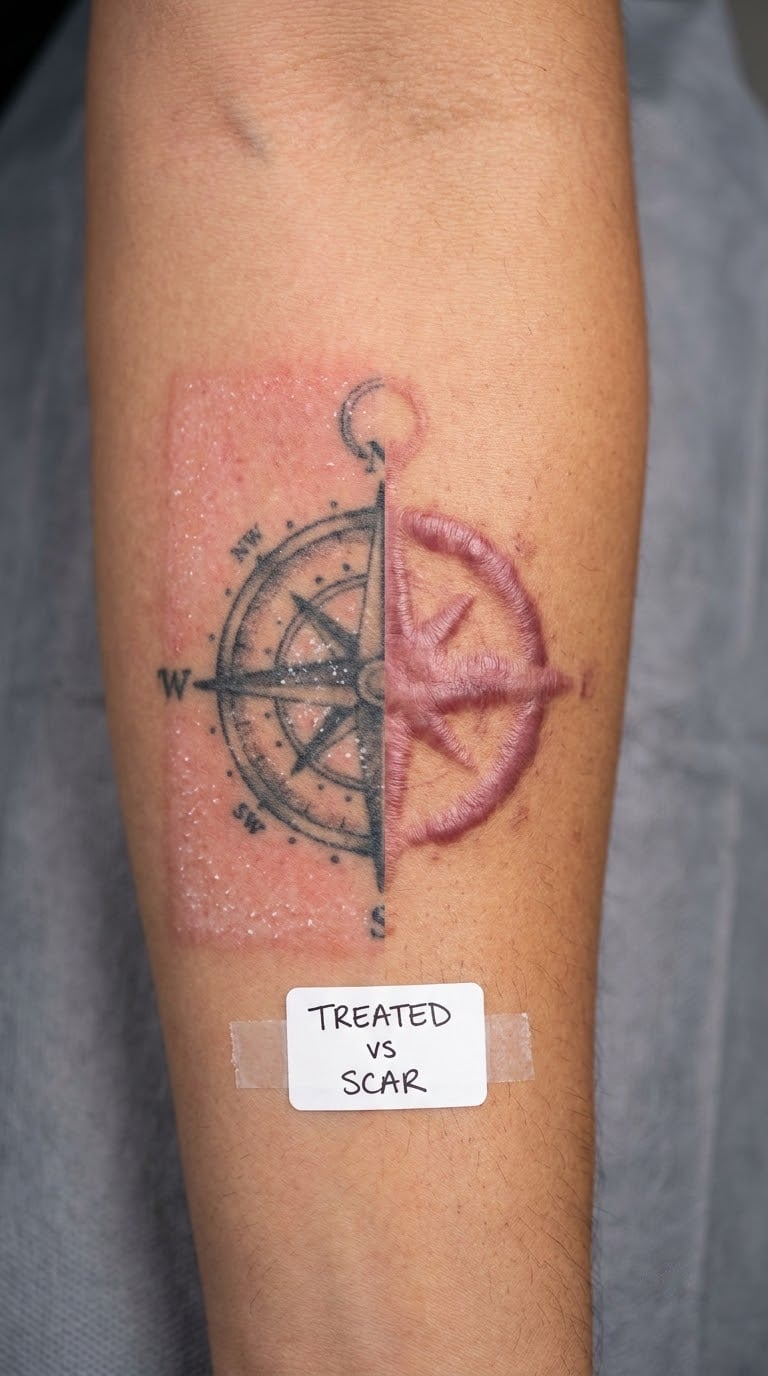
| Normal Healing | Possible Scarring |
|---|---|
| Redness that fades within 1 to 2 weeks | Redness that persists past 6 to 8 weeks |
| Mild swelling for the first 48 hours | Hard, raised, or thickened tissue |
| White “frosting” on the skin right after treatment | Permanent change in skin texture |
| Small blisters or scabs that heal in 1 to 2 weeks | Hypertrophic or keloid growth at the edges |
| Temporary itching as the skin repairs | Hypopigmentation that does not return to normal after 6 months |
| Light or dark spots that gradually even out | Linear or patchy marks that stay defined |
If anything on the right column shows up and stays, take a photo, mark the date, and contact your clinic. Early intervention with silicone therapy or a dermatologist can keep a small issue from becoming a permanent mark.
Does Every Tattoo Have the Same Risk?
No. Some tattoos and some bodies carry more scarring risk than others, and understanding where you fall on the spectrum helps you plan realistic expectations.
Tattoo size, color, and depth
Dense black ink, heavy saturation, and amateur or stick-and-poke tattoos tend to be deeper in the skin and need more energy to break down. Each session works a little harder, which raises the chance of thermal effect on the dermis. Colored ink, especially reds and yellows, often needs different wavelengths, and improper wavelength selection is a known cause of burns and scarring.
Larger tattoos simply need more sessions overall, which means more cumulative exposure and more chances for one session to go wrong.
Skin type and location
Darker skin tones (Fitzpatrick IV through VI) carry a higher risk of pigment change because the laser has to be tuned carefully to avoid affecting natural melanin. Body location also matters. Areas over thin skin or high tension, like the chest, shoulders, ankles, fingers, and ribs, heal more slowly and are more prone to raised scarring. The upper back, upper arms, and thighs are generally lower-risk locations.
A personal or family history of keloid scars is a major flag. If piercings, cuts, or acne have ever produced raised, ropey scars on you, tell your clinician before the first session. Keloid-prone skin can scar even from a perfectly performed treatment.
How to Avoid Scars: Choosing the Right Clinic
Most of the scarring risk is decided in the clinic you pick, not in your living room during aftercare. The right clinic is the single biggest factor in a clean result.
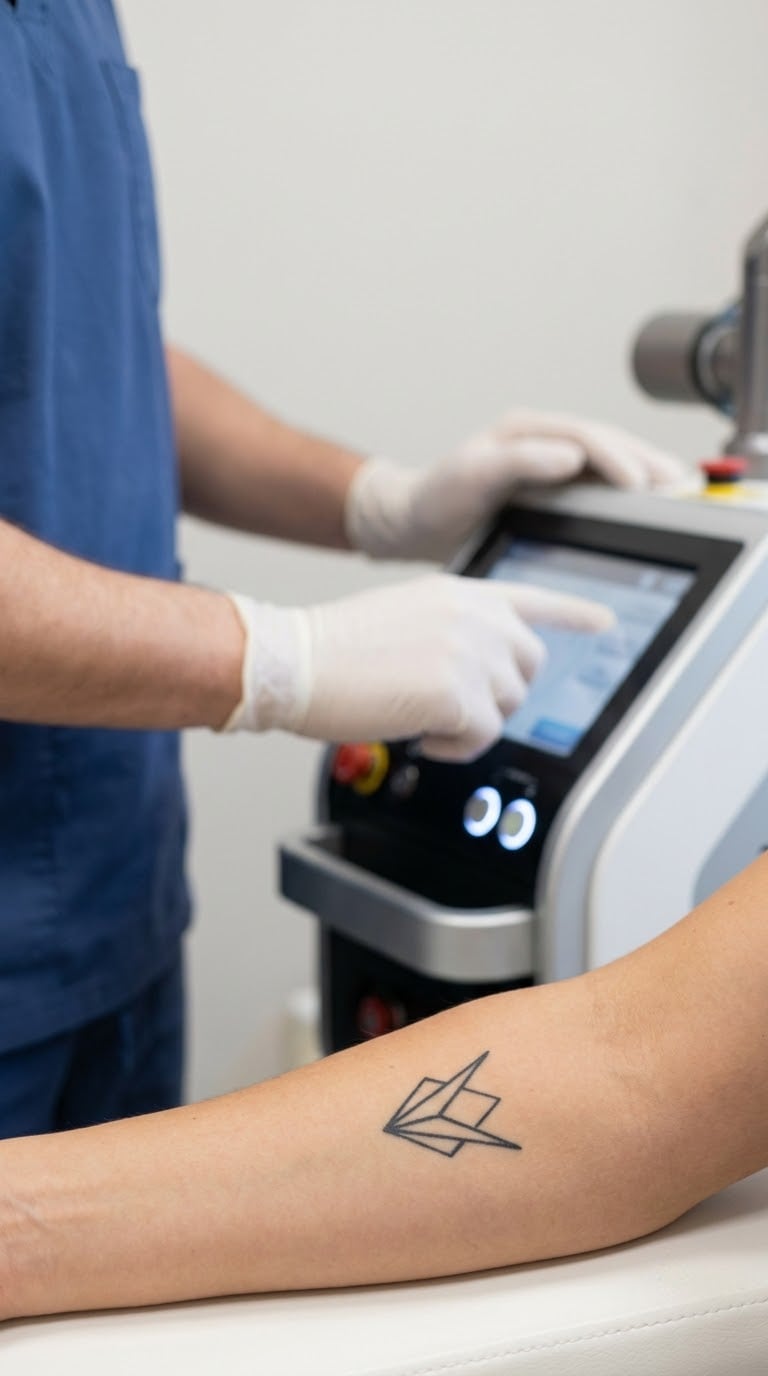
Look for a board-certified dermatologist or a clinic where a licensed laser specialist performs the treatment, not a generic aesthetician. Ask which laser they use. Q-switched Nd:YAG (especially 1064 nm for dark ink and 532 nm for red and orange) and picosecond devices are the current standard. Older or generic IPL machines are not appropriate for tattoo removal and can burn.
Ask how many tattoo removal treatments the operator has personally performed. A practitioner with hundreds or thousands of sessions has seen most of the edge cases and knows how to handle them. Ask to see before-and-after photos of clients with your skin type and ink color, and ask what percentage of their clients complete treatment without scarring.
Be cautious of clinics that promise complete removal in two or three sessions, push package deals before assessing your tattoo, or skip a proper consultation. Good clinics take measurements, photograph the area, review your medical history, and set a realistic session count of 6 to 12 or more.
Aftercare That Prevents Scarring
Aftercare is where the scarring risk either doubles or disappears. The protocol is simple, but skipping any step is what causes most of the bad outcomes.
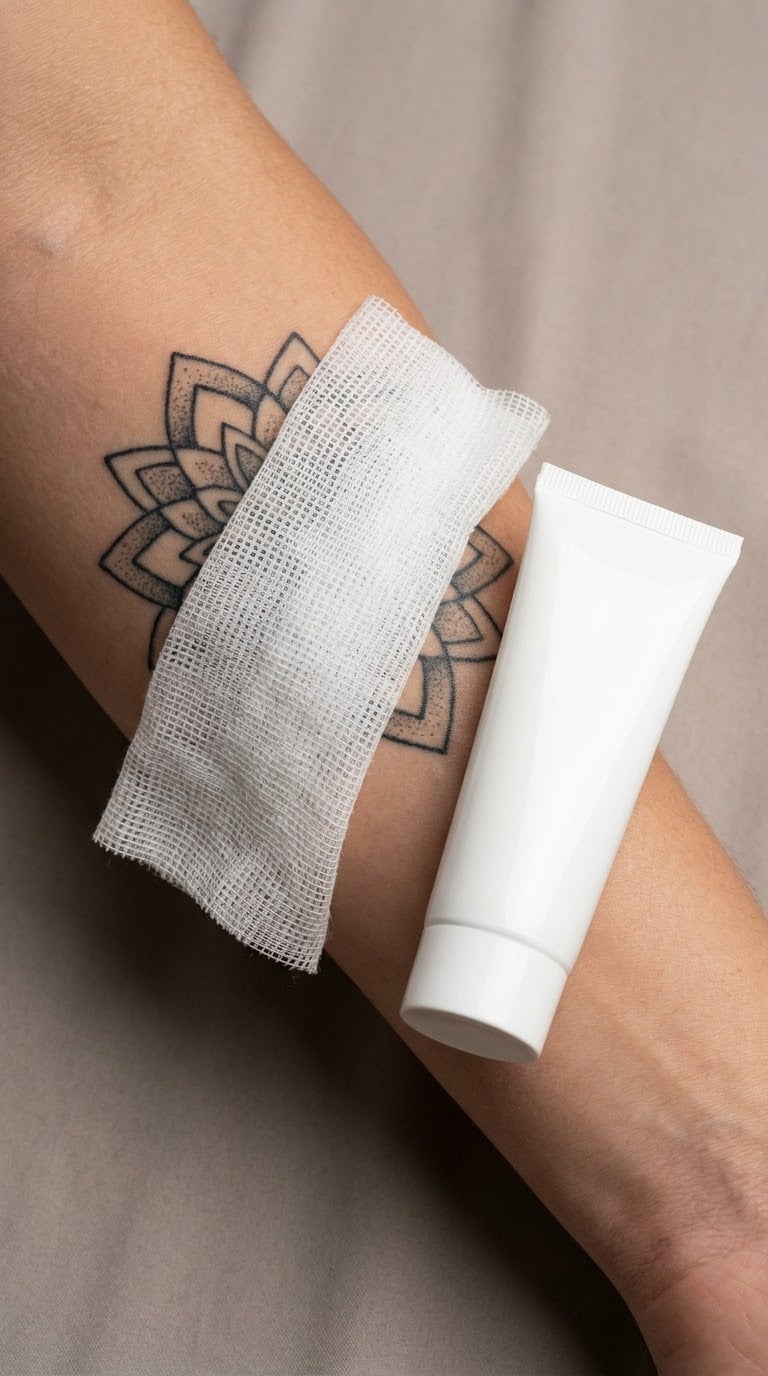
Keep the area clean and dry for the first 24 to 48 hours. Follow whatever your technician gives you, usually a gentle cleanser, a thin layer of a recommended ointment (often petroleum jelly or a specific post-laser balm), and a loose, non-stick dressing. Change the dressing as directed.
Do not pop blisters or pick scabs, even if they are uncomfortable. Blisters are part of normal healing. Popping them opens the skin and invites infection, which is a direct path to scarring. If a blister is large or painful, your clinic can drain it safely.
Skip workouts, hot showers, saunas, and swimming for at least 24 to 48 hours. Heat, sweat, and stretching the skin all interfere with healing. Avoid tight clothing over the area for the first week.
Sun protection is non-negotiable. Cover the treated skin or use a broad-spectrum SPF 30 or higher for several months after each session. UV exposure on healing skin causes hyperpigmentation and hypopigmentation that can become permanent.
If you want a deeper look at what healthy tattoo skin looks like as it heals, our guide on What Does Tattoo Ink Look Like When Healing? walks through the stages.
How Many Sessions and How Long Does Healing Take?
Realistic expectations for most tattoos: 6 to 12 sessions, spaced 8 to 16 weeks apart, with full skin remodeling taking 6 to 12 months after the final session. Larger, denser, or older tattoos can take more, sometimes up to 15 sessions or beyond.
The gap between sessions is not optional. Your body needs that time to clear the fragmented ink and rebuild collagen. Treating too soon does not speed things up, it just stresses the skin and raises scarring risk.
| Time After Final Session | What to Expect |
|---|---|
| 0 to 2 weeks | Redness, swelling, small blisters, frosting |
| 2 to 6 weeks | Skin calms, residual pinkness, scabs fall away |
| 6 weeks to 3 months | Pigment changes (light or dark) start to even out |
| 3 to 6 months | Most residual pigment shifts normalize |
| 6 to 12 months | Final texture and color settle, scar revision safe if needed |
Patience here is the cheapest, most effective scar prevention you have.
Mistakes to Avoid During Laser Tattoo Removal
A few common shortcuts consistently lead to scarring. None of them are worth it.
Trying to remove a tattoo that is less than three months old. The skin is still recovering from the original tattooing and the laser adds a second wound on top of an unfinished first one.
Tanning or using self-tanner before a session. Tanned skin competes with the ink for the laser’s attention and increases the risk of burns and pigment changes.
Applying retinol, glycolic acid, vitamin C, or exfoliating products on the area in the days before or after treatment. They thin the skin and make it more reactive.
Covering the area with tight or non-breathable clothing during healing. Friction and trapped moisture break down healing skin.
Skipping the recommended wait between sessions because the tattoo still looks dark. The ink may be cleared at the lymphatic level even when the surface still looks saturated. Trust the timeline your clinician gives you.
What to Do If You Already See Scarring
If you are already seeing signs of scarring, the first step is a consultation with a board-certified dermatologist, ideally one experienced in laser scar revision. Most scarring from tattoo removal is treatable to some degree, and the earlier you start, the better the result.
Silicone therapy is the first-line treatment for raised or textural scars. Silicone gel sheets worn daily for several months, or silicone gel applied twice a day, can flatten and soften hypertrophic scars significantly.
Microneedling stimulates collagen remodeling and can improve texture once the area is fully healed, usually six months after the last laser session. Fractional laser resurfacing (a different laser than the one used for ink removal) is another option for textural scarring and is typically done after full healing is confirmed.
Topical treatments like prescription tretinoin, vitamin C serums, and over-the-counter scar creams can help with pigment changes. Established scars rarely disappear completely, but they can fade substantially, and a skilled dermatologist can usually improve both color and texture by a meaningful margin.
Frequently Asked Questions
Can laser tattoo removal cause hypopigmentation instead of a scar?
Yes. Hypopigmentation is a common side effect, especially on darker skin tones or when settings are too aggressive. It is not technically a scar, but it can become permanent if the skin is sun-exposed during healing. The lightened area usually returns to normal over 6 to 12 months, though some cases last longer. Strict sun protection and conservative laser settings lower the risk significantly.
Is it possible to remove a tattoo completely without any scarring?
For most people, yes. When a qualified specialist uses a Q-switched or picosecond laser at appropriate settings and aftercare is followed, full removal without scarring is the typical outcome. Scars are more likely with pre-existing scar tissue, keloid history, or poor aftercare. A consultation that includes skin type, ink color, and medical history gives the most accurate prediction for your case.
How painful is laser tattoo removal compared to getting the tattoo?
Most people describe laser removal as similar to or slightly more intense than getting the tattoo, often compared to a hot rubber band snapping against the skin. The sensation lasts only seconds per pass. Numbing cream, cold air, or local anesthetic can reduce discomfort. Pain fades quickly once the session ends, and most clients tolerate the process without major issue.
How much does laser tattoo removal cost on average?
Pricing depends on tattoo size, color, and the clinic’s location, but most single sessions fall somewhere in the low to mid hundreds of dollars in the United States. Small tattoos cost less per session, large or multi-color tattoos more. Because most people need 6 to 12 sessions, the total investment adds up. Many clinics offer package pricing, and removal is usually considered an out-of-pocket expense since insurance rarely covers it.
Can I get a cover-up tattoo after laser removal?
Yes, and laser fading is often used specifically to prep an area for a better cover-up. Most artists prefer working over skin that has been lightened through a few laser sessions because it gives them a cleaner canvas. Wait at least 3 to 6 months after your final laser session before getting the new tattoo, so the skin is fully healed and ready to be tattooed again.
Are old faded tattoos easier to remove without scarring?
Generally yes. Older tattoos have already broken down somewhat on their own, so the laser has less work to do. Fewer sessions mean less cumulative stress on the skin, which lowers scarring risk. Amateur or stick-and-poke tattoos often clear faster than professional work for the same reason. The trade-off is that very old, sun-damaged skin can be thinner and may need gentler settings.
Scarring from laser tattoo removal is uncommon, and most cases are preventable. Pick a clinic with the right laser and a track record you can verify, tell them about any history of keloids or skin conditions, follow the aftercare protocol exactly, and give your body the full healing time between sessions. If something does start to look off, address it early with your clinician rather than waiting to see if it resolves on its own. The best results come from a slow, steady approach, not a fast one.