
Why Is My Tattoo Peeling? Easy Aftercare Guide (October 2026)
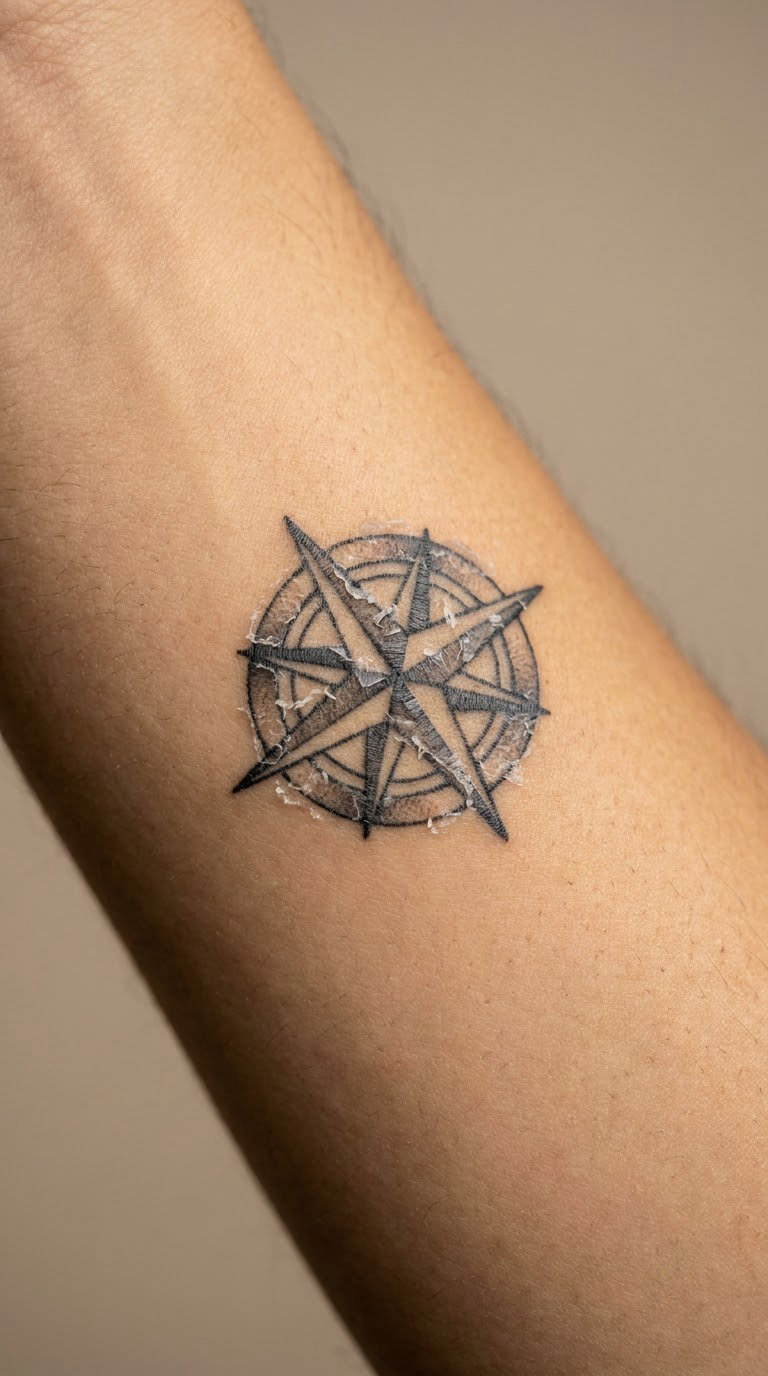
Why is my tattoo peeling? It’s almost always a normal stage of healing. Around the second week, the top layer of dead skin starts shedding, much like a mild sunburn, and the ink underneath stays put. The flakes will fall off on their own if you leave them alone.
If your fresh piece is flaking, itchy, or looking a little patchy right now, take a breath. This guide walks through what’s normal, what’s not, and the small habits that help a new tattoo heal into the crisp design you wanted.
Why Is My Tattoo Peeling? The Quick Answer
Your tattoo is peeling because your skin is doing exactly what it’s supposed to do. Tattoo needles place pigment into the dermis, the deeper layer of skin, and the surface above it gets treated like any small wound.
As the body heals, it pushes damaged and dead cells to the top, where they dry and flake away. The ink is locked safely in the dermis below, so a healthy peel won’t pull color out.
Peeling usually shows up between day three and day seven, runs for one to two weeks, and feels similar to a healing sunburn. Pick nothing, wash gently, and keep it lightly moisturized.
The Tattoo Healing Timeline: What Happens Week by Week
Every tattoo follows a roughly similar arc, though the exact days shift based on size, placement, and your skin. Here is the version most artists describe to clients.
| Stage | Timeframe | What You’ll See | What To Do | Warning Signs |
|---|---|---|---|---|
| Days 1 to 3 | Fresh ink, settling in | Redness, swelling, plasma seeping, tight shiny skin | Keep it clean, leave the wrap alone for the time your artist said | Heavy bleeding, increasing pain after day 2 |
| Days 4 to 7 | Scabbing begins | Light scabs, itchiness starts, color looks dull under the scab | Gentle wash, thin layer of unscented moisturizer, no picking | Spreading redness, warm-to-the-touch skin |
| Week 2 | Peeling stage | Dry flakes, peeling sheets, tattoo looks patchy or faded | Keep washing and moisturizing, leave flakes alone, wear loose clothes | Oozing, foul smell, intense heat |
| Weeks 3 to 4 | Deep healing | Skin smooth, color sharpens, last bits of flaking fall away | Continue sunscreen, avoid long soaks, resume normal routine | Raised bumps, persistent rash |
| Months 1 to 3 | Full settle | Final color and detail emerge, skin fully recovered | Book a touch-up if anything looks off | Patchy color loss that doesn’t improve |
The peeling stage sits right in the middle. Most readers notice flakes starting around day five and finishing by the end of week two.
Normal Peeling vs. Problem Peeling: How to Tell the Difference
Healthy peeling looks dramatic but feels mild. It usually shows up as dry, papery flakes or thin sheets, similar to the way skin peels after a day in the sun. The tattoo beneath may look cloudy or pale for a few days, then sharpen as the last layer sheds.
Problem peeling tends to feel different. Heavy, thick scabs, hot skin, or any wetness that isn’t clear plasma are signals to slow down and pay closer attention.
Normal Peeling Looks Like
- Light, dry, flaky bits that lift on their own
- Color appears faded or cloudy during the flake, then settles within a few days
- Mild itchiness that comes and goes
- Skin feels tight but not painful
Problem Peeling Looks Like
- Thick, crusty scabs that crack or pull
- Yellow or green ooze, or any fluid that smells off
- Hot skin, spreading redness, red streaks
- Raised bumps or ink that stays puffy beyond week three
- Fever or general feeling of being unwell
If any of the second list shows up, the next section is for you, and so is the one on when to call your artist.
What to Do (and Not Do) While Your Tattoo Is Peeling
The peeling stage is mostly about restraint. Your job is to keep the area clean and lightly moisturized, then let the flakes fall on their own. Here’s the short list that covers most situations.
- Wash gently with lukewarm water and fragrance-free soap, then pat dry with a clean paper towel.
- Apply a thin layer of unscented moisturizer or tattoo balm two or three times a day, no more.
- Let the air, not your hands, do the work when flakes are ready to come off.
- Wear loose, clean cotton clothing over the area while it heals.
- Sleep on clean sheets and switch your pillowcase for the first week.
Things to skip during this window:
- Picking, pulling, or scrubbing flakes, even the loose-looking ones.
- Scratching, even when it itches badly. Tap the skin lightly instead.
- Long baths, hot tubs, swimming pools, or any soak that softens the scabs.
- Direct sun or tanning beds on the tattoo until it’s fully healed.
- Heavy gym sweat during the worst of the peeling. Short, light movement is fine.
Best Products to Use While a Tattoo Is Peeling
You don’t need a long shopping list. A few simple staples will carry you through the peeling stage without drama.
Start with a fragrance-free, gentle soap. The kind you’d use on a baby’s skin works well. Avoid anything with alcohol, fragrance, or exfoliating beads, since those dry out the new skin and slow healing.
For moisture, pick a plain, unscented lotion or a dedicated tattoo balm. Apply it in a thin layer, just enough to take the tight feeling away. Overdoing moisturizer is one of the easiest mistakes to make; the tattoo should never look wet or shiny.
Keep clean, loose clothing on hand. Soft cotton breathes, doesn’t stick to peeling skin, and reduces friction on healing areas.
Skip petroleum jelly for long-term use. It seals the surface, which can trap moisture and pull color out as scabs lift. Scented lotions and alcohol-heavy products belong back on the shelf until the tattoo is fully healed.
Aftercare by Placement: Spots That Peel Differently
Where your tattoo sits changes how the peeling feels and looks. Some areas peel fast and cleanly, others drag on a little longer, and a few need extra patience.
Hands, Fingers, and Feet
These spots get constant movement, washing, and friction, so the peel tends to be more visible. Fingers often flake in small, distinct pieces. Tattoos here also fade faster over time and may need a touch-up within a year.
Inner Arms, Wrists, and Ribs
Skin in these areas is thin and stretches often. Peeling shows up as fine, paper-like flakes, sometimes with small cracks along the lines. Loose clothing and extra patience help.
Back, Thigh, and Calf
Larger, flatter areas usually peel gently and evenly. You’ll see broad sheets rather than tiny flakes. The trade-off is that the peel can last a few extra days because there’s more surface area.
Joints and Skin Folds
Knees, elbows, ankles, and the crease of a hip flake in bigger pieces and tend to crack if you bend them too much. Slather a thin layer of balm before bed and avoid tight waistbands or socks that rub the area.
Mistakes to Avoid During the Peeling Stage
Most healing problems trace back to a few common slips. Reading this list once before the peel starts saves a lot of worry later.
- Pulling or picking flakes before they’re ready to fall on their own.
- Over-moisturizing until the tattoo looks wet or shiny.
- Going back to intense workouts too early and soaking the area in sweat.
- Exposing the fresh tattoo to direct sun or chlorinated water.
- Using scented, alcohol-based, or exfoliating products on the area.
- Re-wrapping the tattoo in cling film days after the session.
- Skipping sunscreen once the tattoo is healed, which fades color fast.
Avoid all of them and the second week usually feels much calmer.
When to Call Your Tattoo Artist or a Doctor
Most peels go smoothly. When something feels off, a quick text or photo to your artist is a smart first move; most studios will check their work for free and tell you whether to come in or just adjust aftercare.
Reach out to your artist if you notice:
- Heavy scabbing or cracked lines that look deeper than surface flakes
- Color loss that looks patchy after week three
- Persistent raised ink or any bump that won’t settle
Seek medical care if you see signs of infection:
- Spreading redness, especially in streaks away from the tattoo
- Yellow or green ooze, or any fluid with a bad smell
- Hot skin that keeps getting warmer after day three
- Fever, chills, or just feeling generally unwell
- A rash that goes beyond the tattooed area
Infections are uncommon, but they’re much easier to treat when caught early.
Frequently Asked Questions
Is it normal for a new tattoo to peel a lot?
Yes, peeling a lot is normal. A heavy, flaky peel just means your skin is shedding a thicker layer of damaged cells, often on areas with more skin turnover or a longer healing session. As long as the flakes are dry and light, color is fading temporarily not permanently, and the skin feels tight rather than painful, the tattoo is on track.
How long does the peeling stage of a tattoo last?
Most tattoos finish peeling within one to two weeks. Flakes usually start between days three and seven and taper off by the end of week two. Larger pieces and tattoos on joints tend to run a few days longer, while small, simple designs can finish in under a week.
Can I shower while my tattoo is peeling?
Yes, short lukewarm showers are fine. Let water run gently over the tattoo, wash with a mild fragrance-free soap, and pat dry with a clean paper towel. Skip long, hot showers, baths, and any soak that softens the scabs.
Should I put lotion on a peeling tattoo?
Yes, but only a thin layer. Use an unscented, gentle moisturizer or a dedicated tattoo balm two or three times a day. The tattoo should look hydrated, not wet or shiny. Too much product can clog pores and slow the peel.
What if my tattoo color fades while it is peeling?
A faded, cloudy look during peeling is normal. The new skin sitting on top of the ink is still dull and translucent, and the dead layer above it scatters light. Color usually sharpens within a few weeks once the last layer of skin sheds. If areas still look patchy after a month, ask your artist about a touch-up.
When should peeling be a sign of infection instead of normal healing?
Get medical advice if you notice spreading redness, especially in streaks, yellow or green ooze, a bad smell, hot skin that keeps getting warmer, or fever and chills. These signs go beyond normal healing and need prompt treatment.
Final Thoughts: Let It Peel, Don’t Help It
The single most important thing during the peeling stage is to leave the flakes alone. Wash gently, moisturize lightly, wear clean loose clothing, and let the timeline do its work.
If something looks off, send your artist a photo. Most studios will check their work for free and tell you whether it’s normal healing or worth a closer look. For more on day-to-day tattoo care, see our guides on tattoo aftercare basics and what to expect from different placements.