
15 Tattoo Ideas for Women Over 50 That Age Well (September 2026)
Tattoo ideas for women over 50 lean toward symbolism, placement and line weight rather than whatever is trending that month. A flower, a date, a set of initials, a mountain range you walked yourself. Women in this age group usually want ink that still looks deliberate when they are seventy, and often want it small enough to wear at work without a conversation.
Is it a good idea to get a tattoo at 50? Yes. Skin at 50 is thinner, drier and often sun-damaged, so the work takes a little more planning, but healed ink sits on the dermis and does not sag when the skin above it changes. Most artists who work with mature clients say the only real question is line weight, not age.
What follows is 15 designs, each with the placement that suits it, the style that holds up longest, and an honest note on pain and session length. Read the whole list once, then come back to the two or three you keep thinking about.
Most of these are planned around autumn and early winter appointments, when you have a few months of sleeve coverage before a holiday. If you are getting married or travelling, book earlier and plan the sun protection for the whole healing window, not just the first week.
15 Tattoo Ideas for Women Over 50, With Placement and Timing Notes
Every design below is different in placement, size and style, so pick by where you want it and how discreet it needs to be, not by how the picture looks on a stranger’s arm.
1. Fine-Line Birth Flower on the Inner Wrist
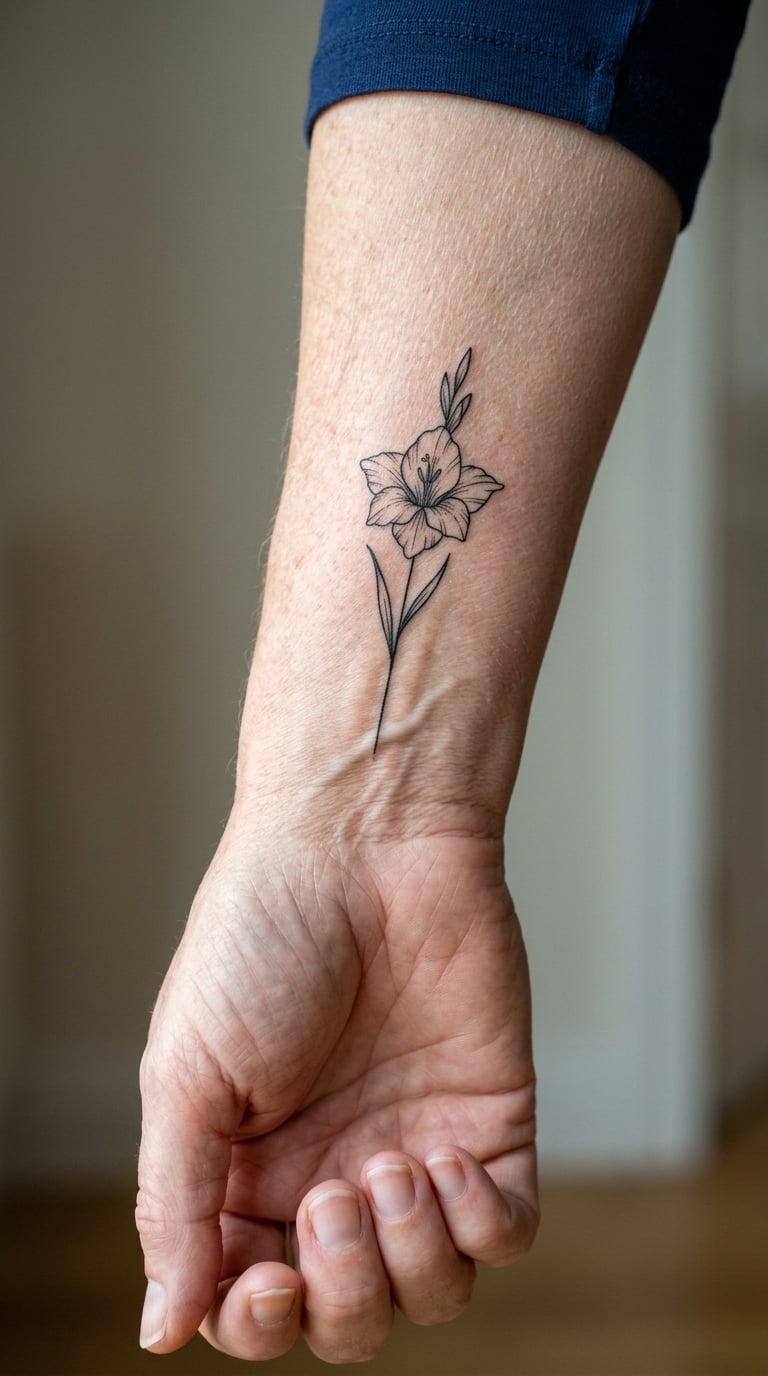
Your birth flower, done as one stem rather than a bouquet, is the most requested design in this whole list. It carries the meaning on its own and takes up about five centimetres of wrist, which is small enough to hide under a watch band or a long cuff when you need it gone.
Ask for a line weight that reads clearly at arm’s length, not a hairline thread. Fine detail looks delicate now but softens within a few years on skin that has less collagen under it, so a slightly heavier single stem costs you nothing visually and buys you decades of clarity. The inner wrist is sun-exposed all year, which is the one thing working against you here.
Pain and time: the inner wrist is bony and the veins sit close to the surface, so this one stings more than it hurts. A small single-stem piece usually takes 45 minutes to an hour and a half.
2. Black-and-Grey Constellation for a Birth Date
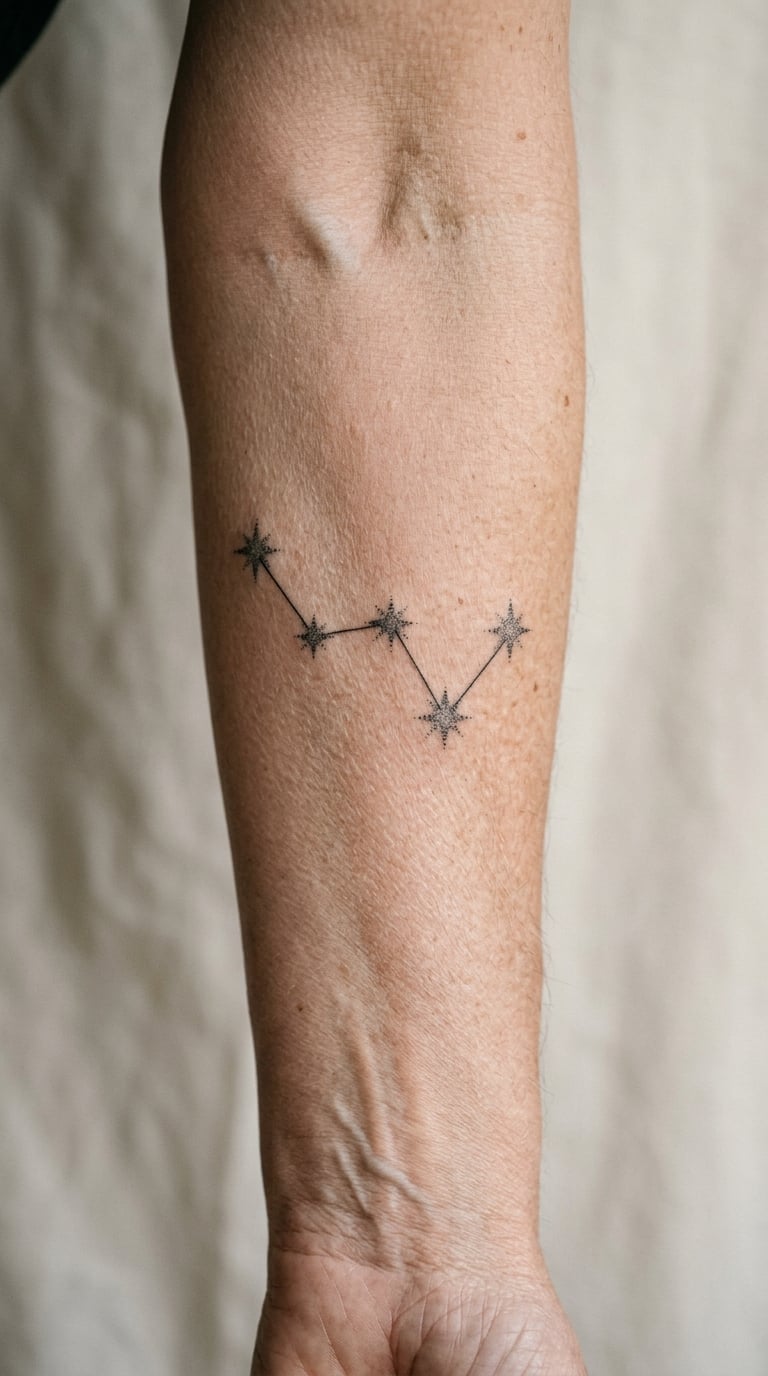
A constellation built from the sky over your birth date is quiet, personal and impossible for anyone else to read. Most people never work out what it is, which is exactly what a lot of women in their fifties want from a first tattoo.
Black-and-grey is the right call here rather than colour. The dots and the wash between them give the artist room to build contrast without relying on a hue, and contrast is what keeps a tattoo legible as skin thins. Keep the whole thing under ten centimetres long on the inner forearm, below the elbow, where there is some soft tissue to work with.
Pain and time: the inner forearm is sensitive, especially near the elbow crease. Expect an uncomfortable session of one to two hours for a piece this size, with more stinging than deep pain.
3. Children’s Handwriting Curving Around the Wrist
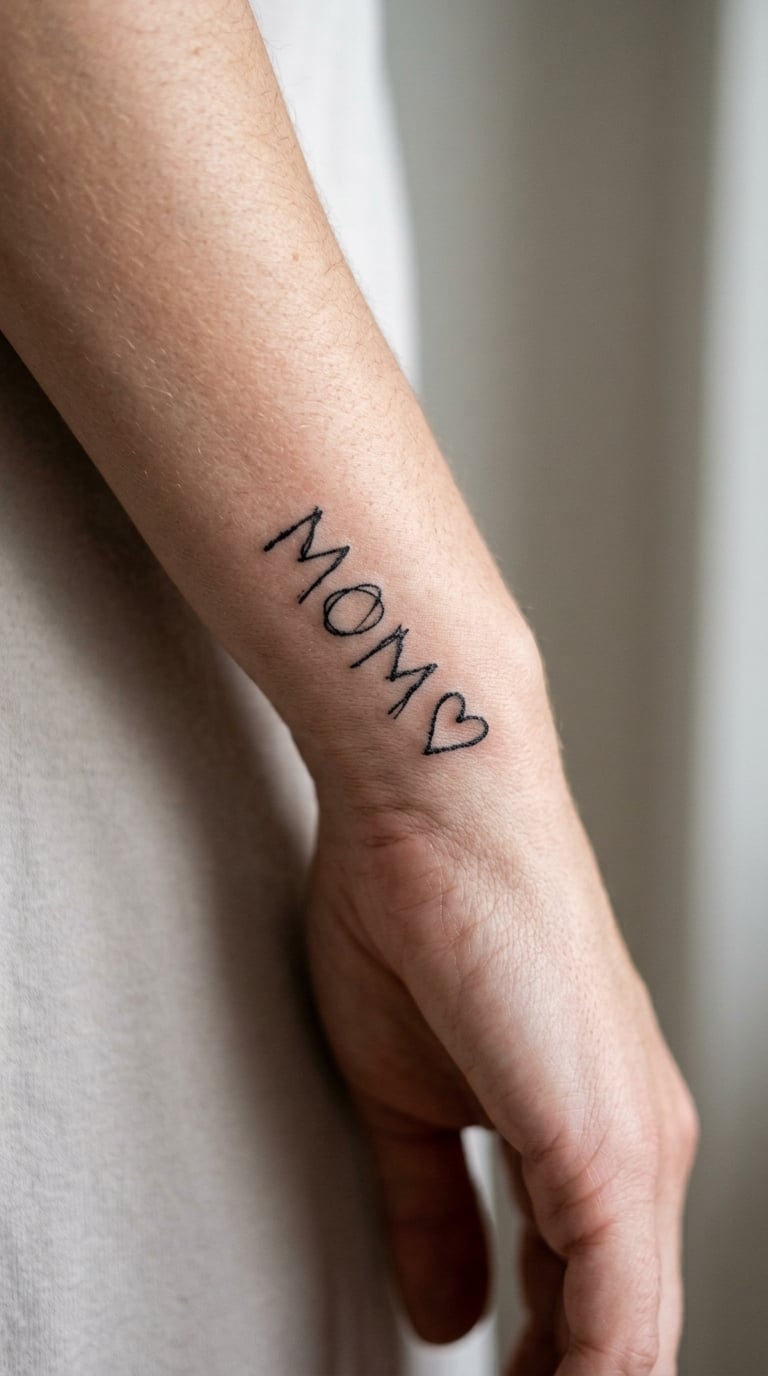
One word in a child’s actual handwriting, curving along the inside of the forearm, carries more weight than a printed name ever could. A grandmother, a mother, an aunt, the word changes and the technique does not.
This is script work, and script is where aging bites hardest. Ask for a slightly heavier line than the reference image shows, and pick a word rather than a long sentence, because every extra letter is another place for a thin stroke to blur into the next one. Placement just above the wrist bone on the inner arm is the sweet spot: visible when you want it, easy to cover with a watch, and firm enough to hold detail.
Pain and time: thin skin over the wrist bone makes this a sharper feeling, and the hand usually twitches if you are nervous. One to two hours, and bring something to squeeze.
4. Botanical Branch Along the Collarbone
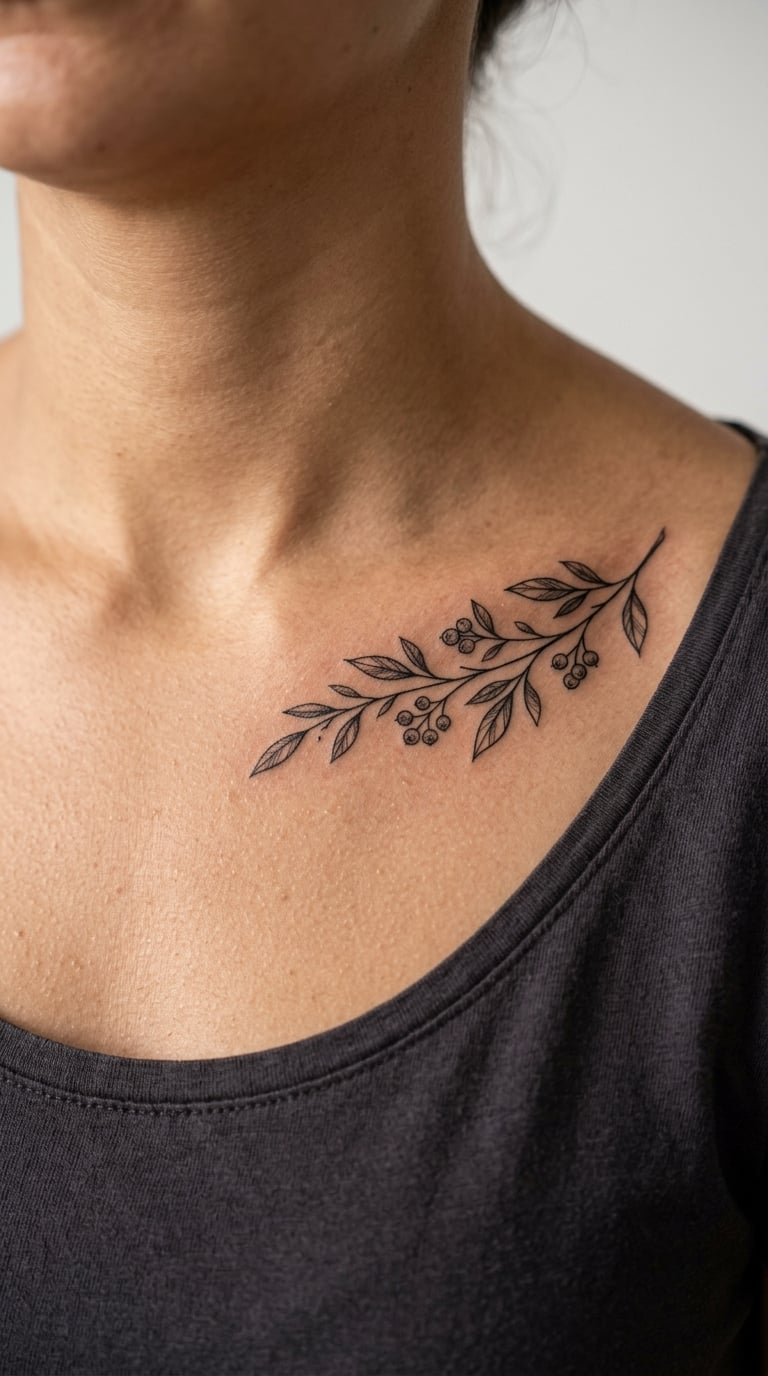
A single branch of leaves running along the collarbone reads as elegant from a distance and rewards a second look up close. Olive, eucalyptus and bay are the three that show up most, and all three hold their shape well because the leaf silhouette is a strong shape rather than a shading effect.
Keep the branch under fifteen centimetres, start it near the hollow at the base of the throat, and let it end before the shoulder. The collarbone is a bony ridge with thin skin stretched over it, which is exactly where fine, low-contrast work struggles later, so build the leaves with clear edges and a confident line. Avoid pale grey washes in this spot, they soften fastest.
Pain and time: bone close to the surface means a scratchy, insistent feeling rather than a sharp one. A branch this length takes about 90 minutes to two hours.
5. Single-Line Portrait of a Grandchild on the Upper Arm
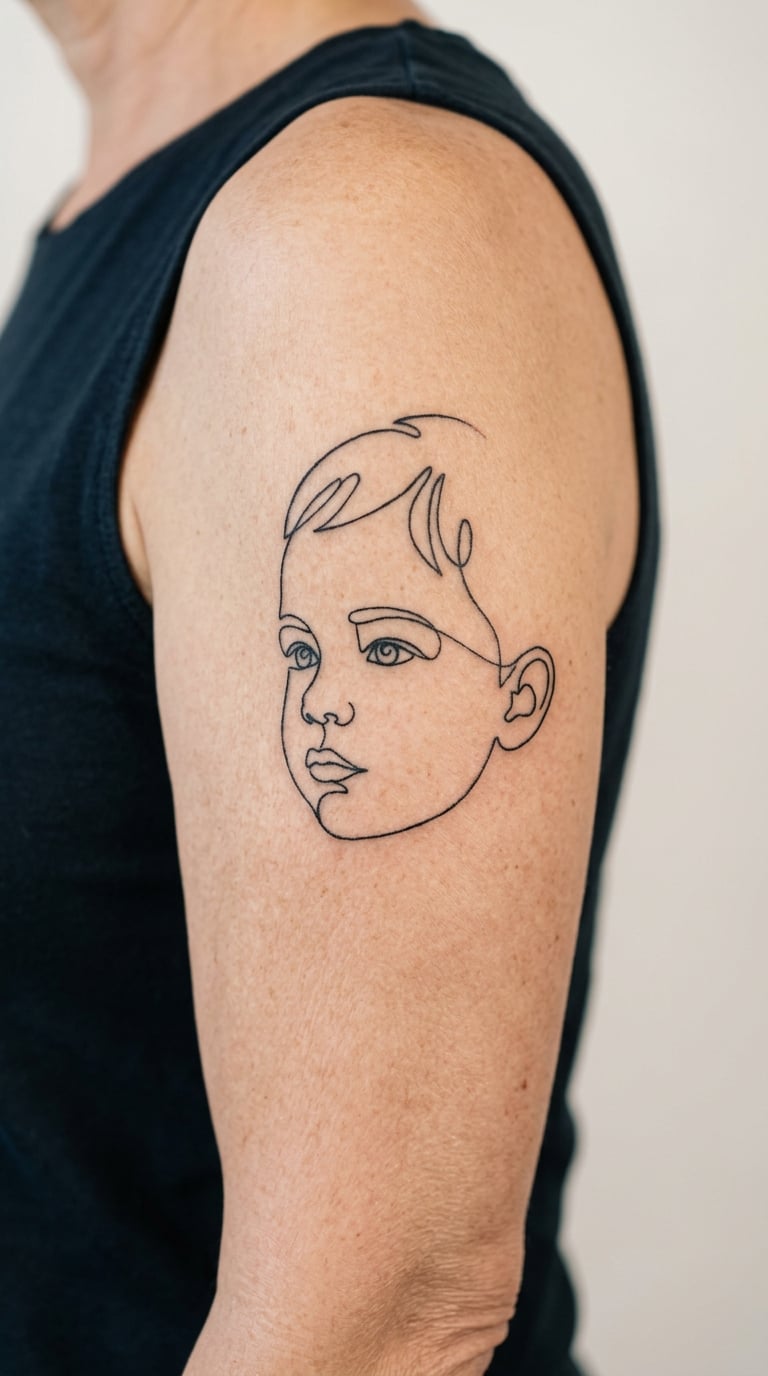
One-line portraits have become the most-requested way to keep a grandchild close, and they suit mature skin unusually well. There is no shading to fade and no colour to grey out, so what remains in twenty years is still a recognisable face rather than a grey smudge.
Placement on the outer upper arm, about eight to ten centimetres long, gives the artist a flat-ish surface to work with and keeps the piece off the bony areas. The single-line style is a genuine technical challenge, so choose an artist who does this specific thing regularly and be prepared for two sessions, because rushing a continuous line is how these pieces go wrong.
Pain and time: the outer upper arm is one of the easier spots on the body, a dull ache rather than a sting. Expect two sessions of around an hour each, with a break in between.
6. Three Birth Flowers in a Row on the Ribcage
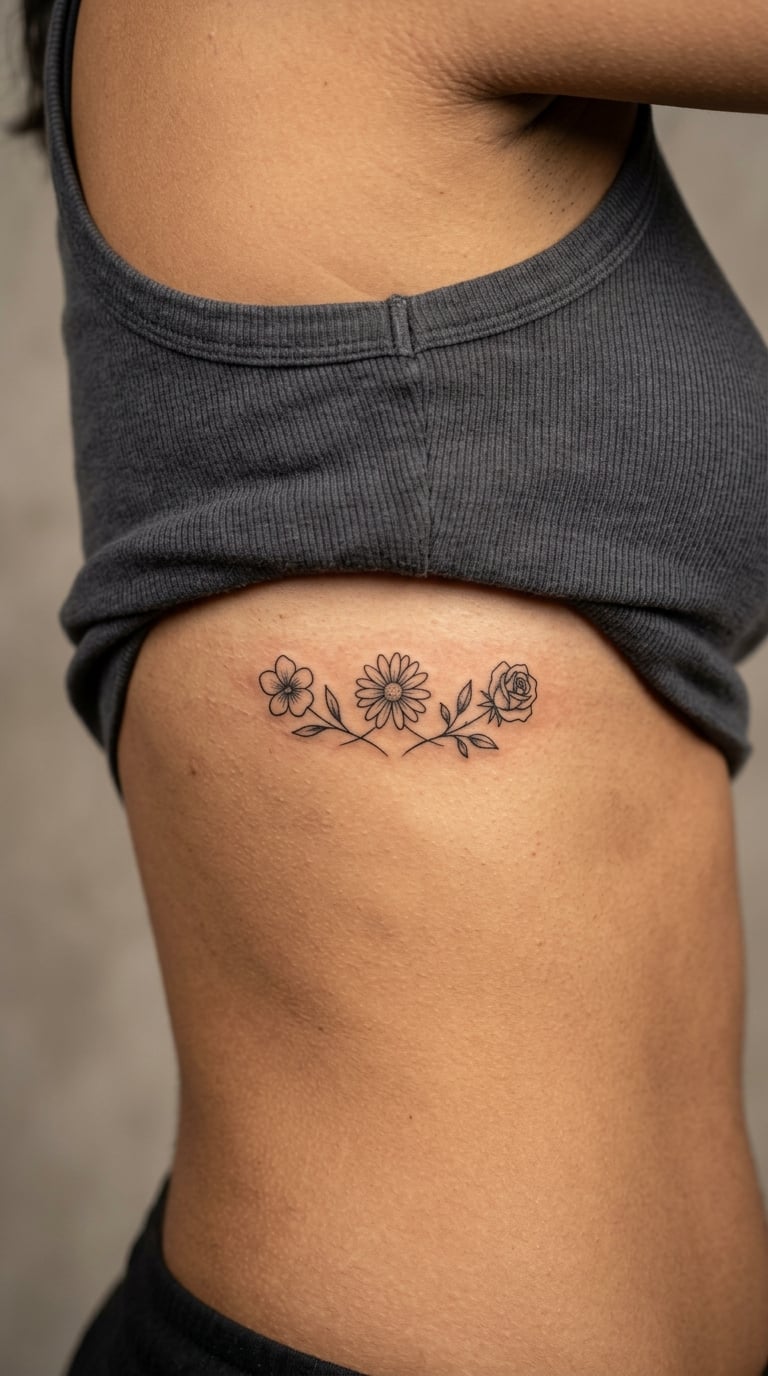
Three small flowers in a horizontal row, each one the birth flower of a child or grandchild, is the piece women most often describe as their favourite. It sits in one clean line, it scales up if a fourth child arrives, and it never looks like a crowded sleeve.
The ribcage is the placement to think hardest about. Skin here stretches with breath and movement, and it is thinner and often crepey over the ribs, so the artist will want a slightly heavier line and a size that does not wrap under the arm. Sit for the first outline and pick a size that clears the breastbone, otherwise the design distorts the moment you breathe deeply.
Pain and time: this is the most sensitive spot in the gallery. Bony, close to the surface, and an awkward position to hold still in. Budget 90 minutes and plan to lie still.
7. Bold Red Poppy on the Shoulder Cap
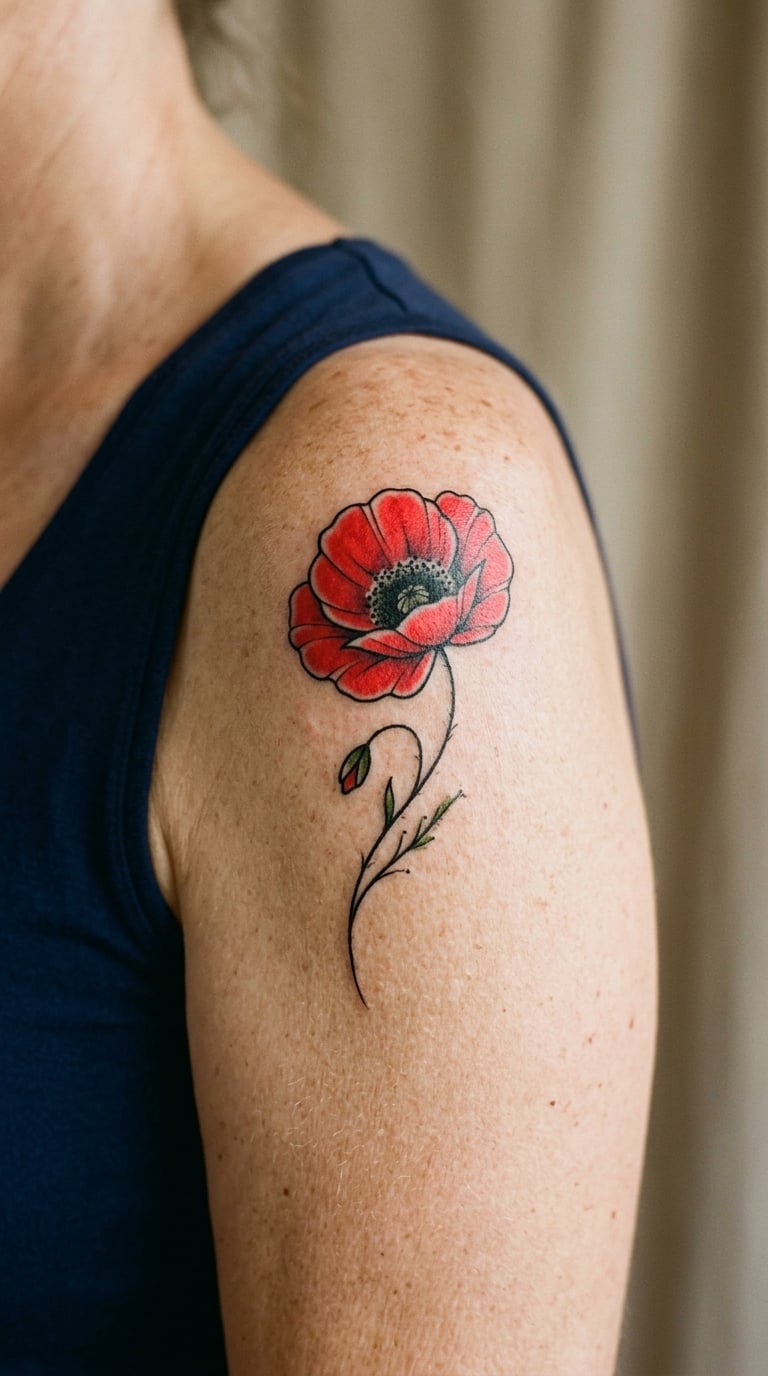
If you want one design in this list that reads clearly from across a room, it is the red poppy on the shoulder cap. It is the traditional one, the one with an actual colour commitment, and it looks striking against the softer, smaller work most women over 50 choose.
Two things decide whether it ages well. First, ask for a dark outline around the petals rather than pure red edges, because an outline holds the shape when the colour inside fades to pink. Second, put it on the top of the shoulder, not the sleeve, where the sun hits it. A shoulder in its fifties is often the most sun-damaged skin on the whole body, so the artist may suggest deeper, warmer reds over a pale wash.
Pain and time: the shoulder cap is well padded, so this is genuinely one of the more comfortable placements. A single poppy takes an hour to an hour and a half.
8. Fine-Line Olive Branch on the Back of the Shoulder
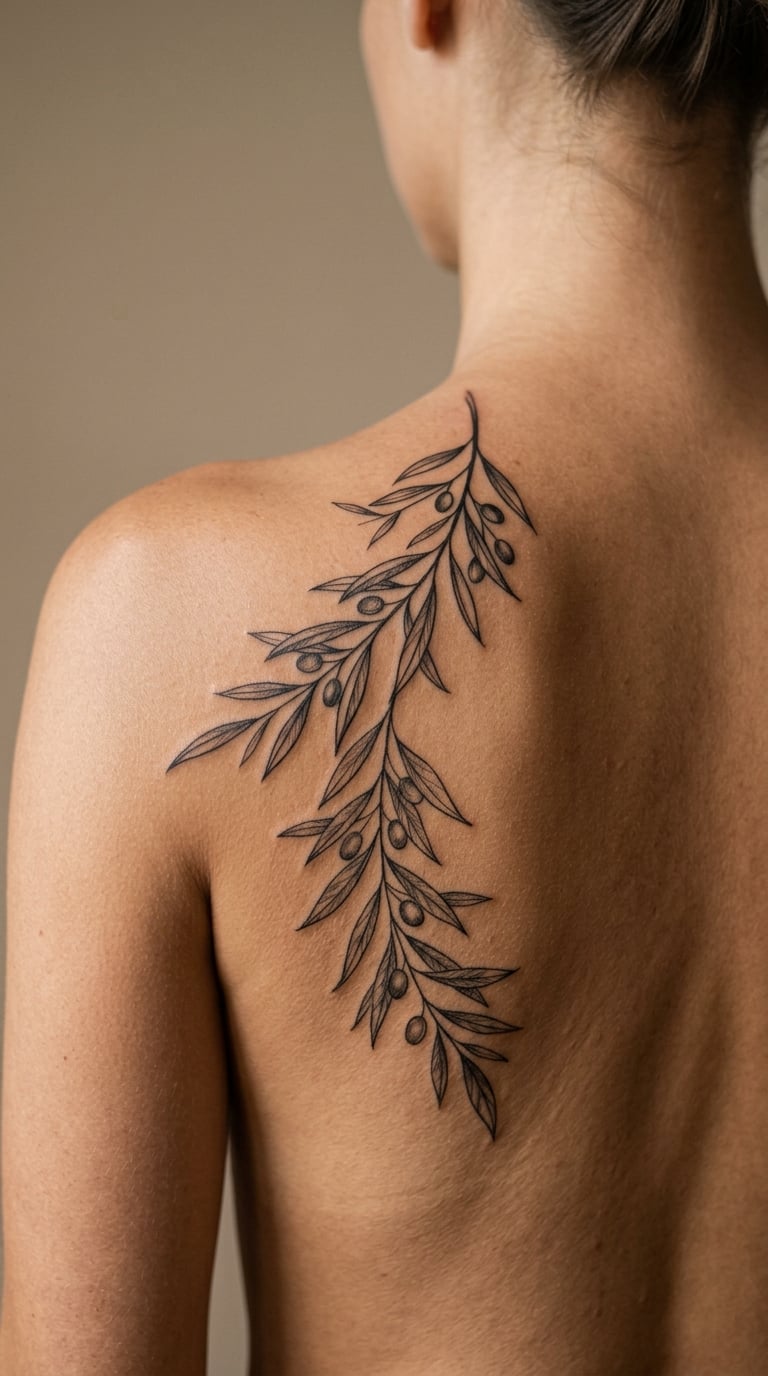
The olive branch is peace, reconciliation and the branch you hang over a door. On the back of the shoulder it is visible when you wear a sleeveless top or a low back, and it disappears under almost everything else, which makes it a good first piece if your workplace is conservative.
That spot is firm, well hidden from the sun and mostly out of sight, which means contrast can stay low and the piece can stay genuinely delicate. Keep it under ten centimetres and curve it slightly so it follows the shoulder instead of sitting on it like a sticker. Fine line is defensible here in a way it is not on the forearm, because you are not fighting daily sun exposure.
Pain and time: the sensation is mild but the position is awkward, since you cannot see it properly yourself. About an hour, and the artist will ask you to sit up so they can check how it sits on the shoulder in real position.
9. Blackwork Tree of Life on the Outer Thigh
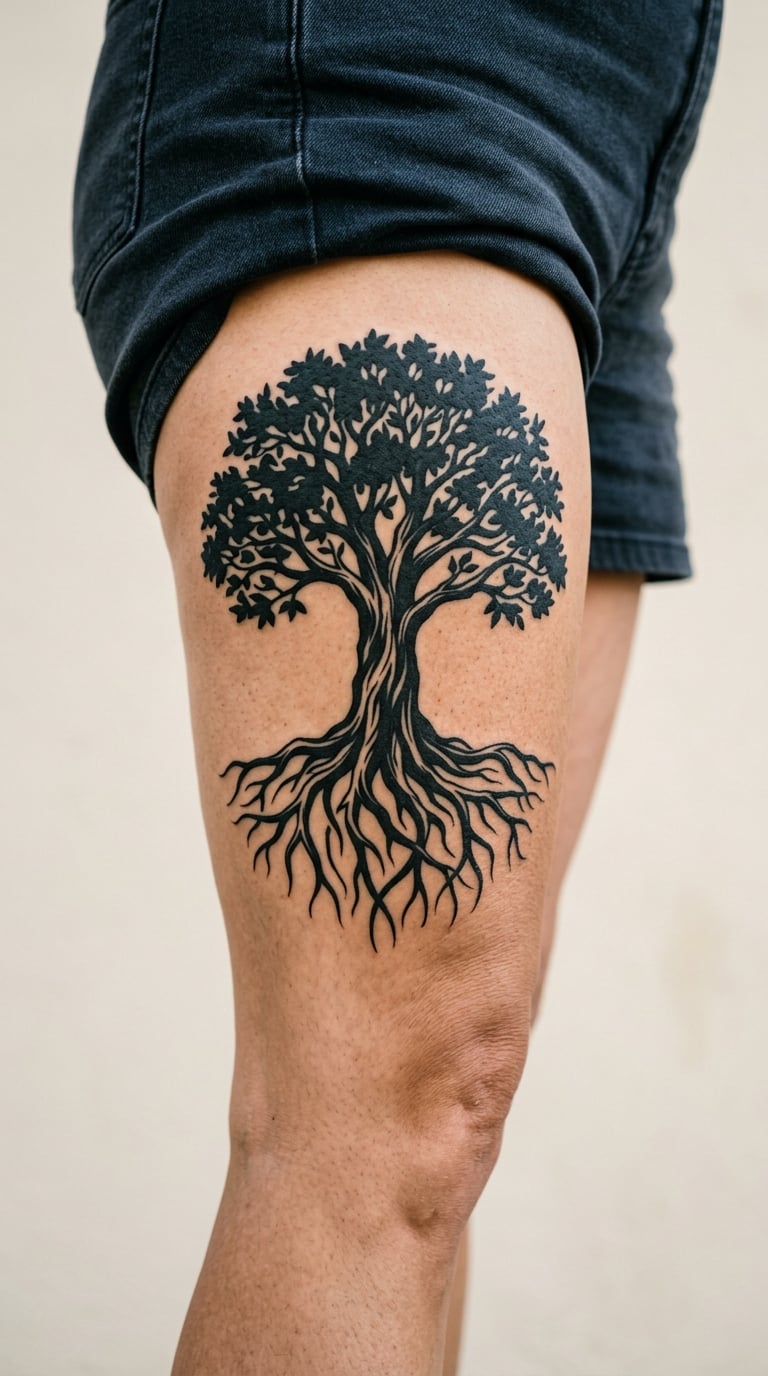
A solid black tree with roots going one way and branches the other is a classic for a reason: blackwork means no colour to fade, and dense black holds its edge on skin that moves. It suits a woman who wants a statement piece but not a full sleeve.
The outer thigh gives you a large, flat, well-cushioned surface, and it is one of the last places on the body where skin tends to stay firm. Aim for a design no taller than fifteen centimetres, with the trunk thick enough to survive two decades of fading. Heavy black on a large area does need a proper break in the session, because sitting still in one position is the hard part, not the ink.
Pain and time: the thigh is fleshy, so the feeling is a deep ache rather than anything sharp. Two hours with a break, more if you go larger.
10. Date and Place in Fine Script on the Inner Arm
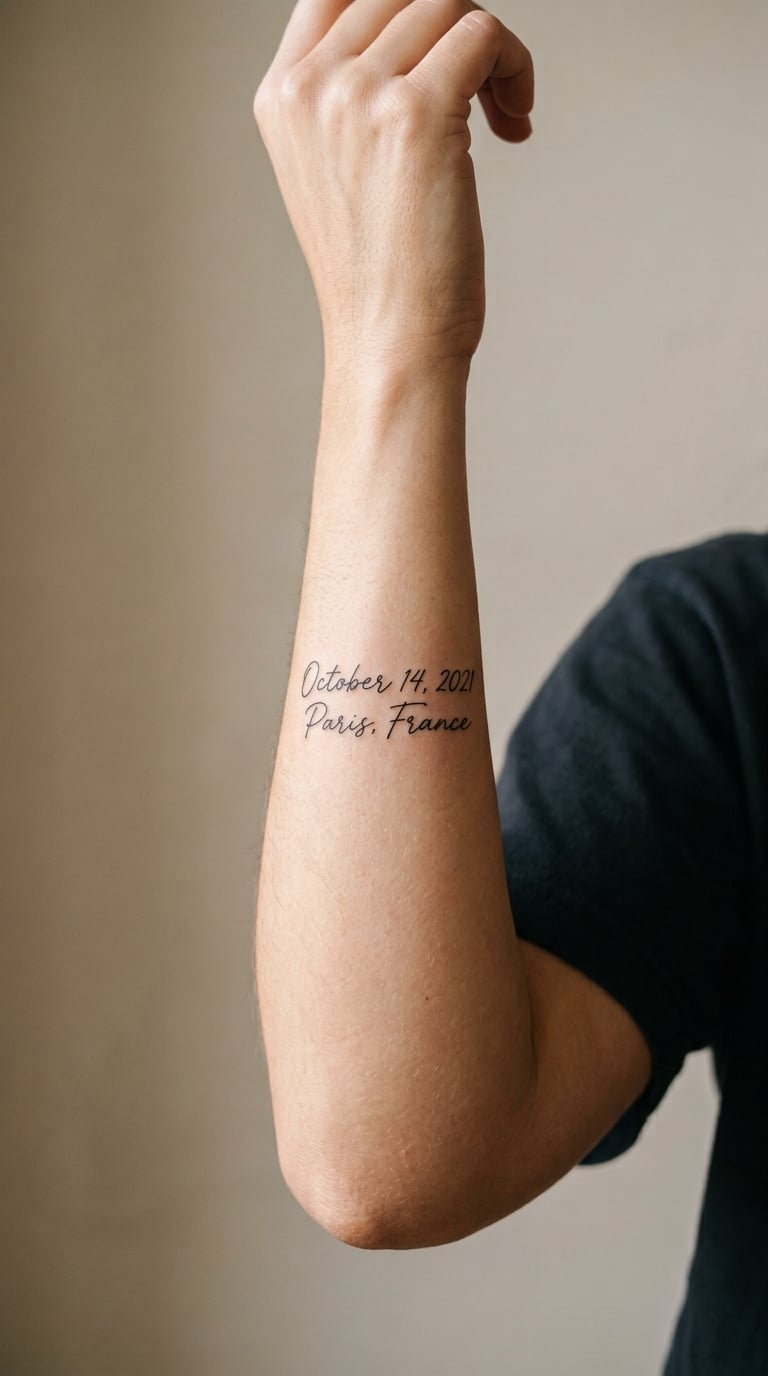
A date and a place in one line of script, set along the inner arm above the elbow, covers the most common reasons women in this age group get ink: a birth, a marriage, a move, a year that mattered. The details are the point, so expect to spend real time on the consultation getting the date exactly right.
Script fades faster than anything else in tattooing, so this one depends entirely on line weight. Ask the artist to widen the reference lettering by about a third and to keep the spacing between letters generous. Placing it on the inner arm above the elbow rather than below the wrist gives you firmer skin and a slightly hidden spot under a sleeve.
Pain and time: the inner arm is sensitive and long sessions get uncomfortable fast. A date and place takes about 90 minutes.
11. Vine Climbing from an Initial on the Ankle
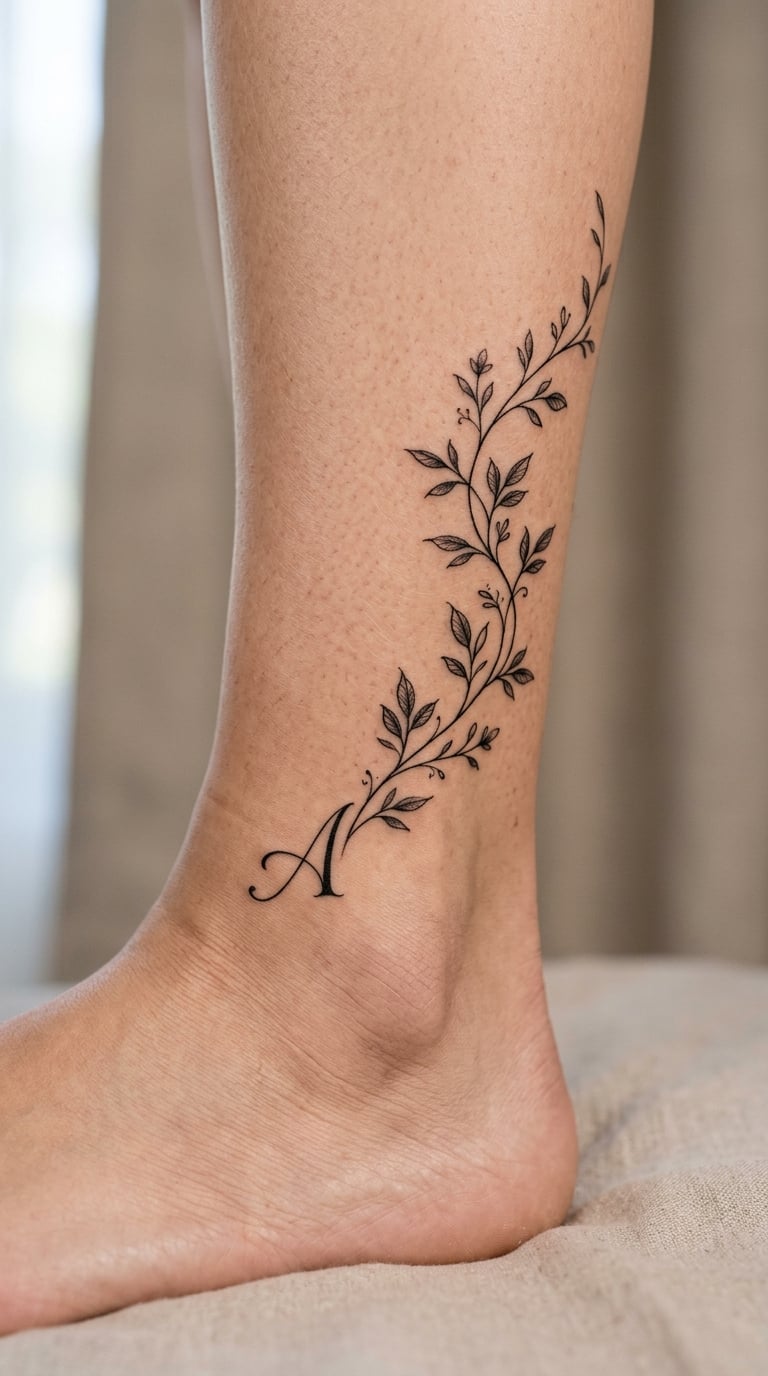
A single initial with a vine growing out of it and curling up the ankle is understated, slightly old-fashioned in a good way, and it suits a woman who wants something that looks like it has always been part of her style. The initial can be a surname, a first name or a letter that means something only you know.
An ankle is a good honest test of how you will look in sandals, and the skin there is firm but bony. Keep the design vertical and no more than about eight centimetres tall, starting below the ankle bone so it does not fight with your shoe line. The climbing line gives the piece movement without adding density, which is the safest approach on a smaller area of the body.
Pain and time: the ankle bone is right under the skin, and you will feel every pass there. Around an hour, with a lot of shifting in your seat.
12. Small Laurel Branch on the Back of the Hand
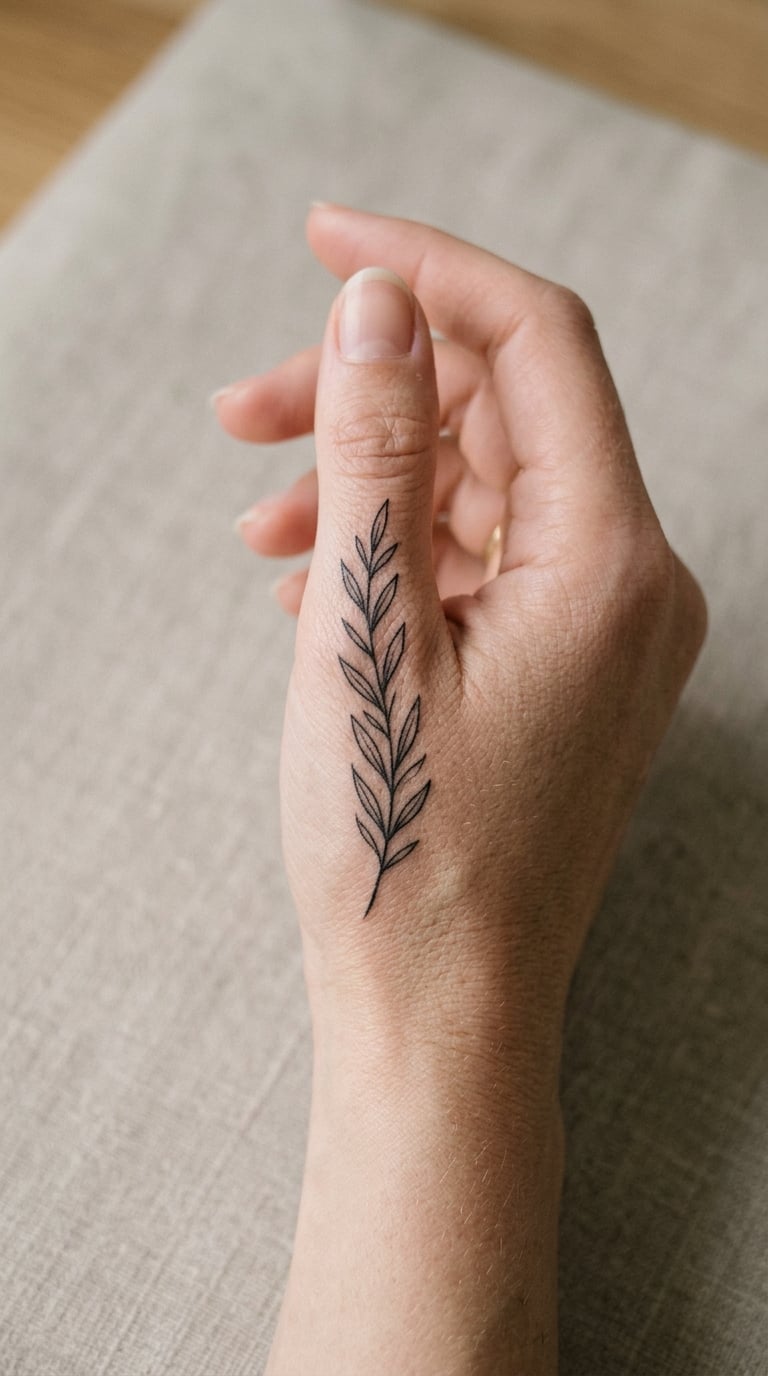
Hand tattoos get a bad reputation for fading, mostly because hands are the most sun-exposed skin a person owns. A small laurel branch with narrow, clear leaves is one of the shapes that still works there, and women who are gardeners and travellers gravitate to it for obvious reasons.
If you go here, treat sun protection as part of the tattoo, not an optional extra, for the rest of your life. Ask for bold leaf edges rather than shading inside the leaves, and keep it to about six centimetres so the hand does not look busy. There is plenty of firm surface between the knuckles and the thumb crease, and that is the flat part worth using.
Pain and time: the back of the hand is thin and sensitive, and knuckles are worse than the flat parts. Forty-five minutes to an hour for a piece this size.
13. Fine-Line Compass Rose High on the Upper Back
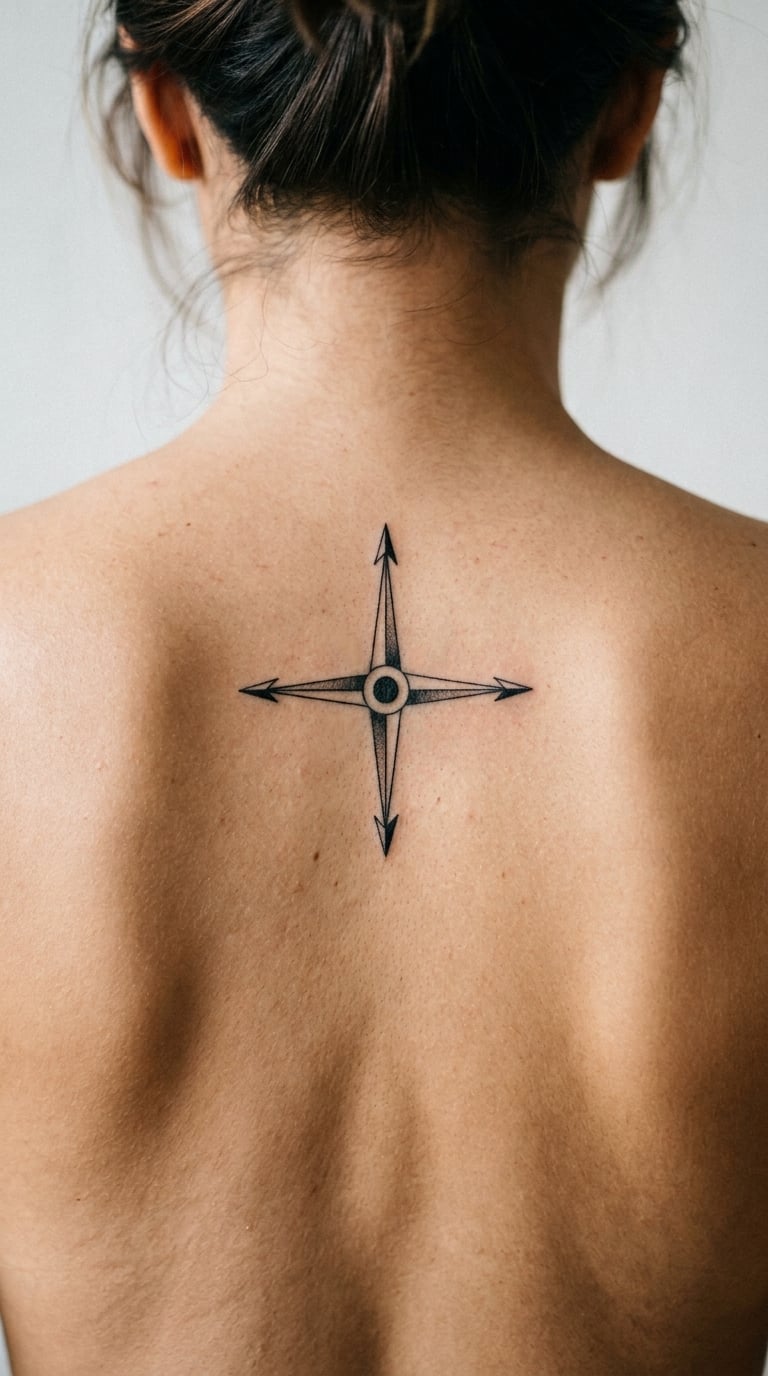
A compass rose high between the shoulder blades is the design in this list you will feel most privately. Almost nobody sees it, it never competes with your face, and it carries a different meaning depending on whether you read it as travel, direction or simply a good shape.
Between the shoulder blades is one of the best surfaces on the body for fine line: firm, barely sun-exposed and mostly covered. A version under eight centimetres across will stay crisp for decades. The one thing to plan is the position, because the shoulder blades move when you reach forward, so the artist needs to place it while you are sitting naturally rather than while you are twisted around to look at it.
Pain and time: low pain, awkward position. About an hour, and expect a mirror or a second person in the room so you can see the progress.
14. Mini Botanical Trail Filling a Gap in an Old Tattoo
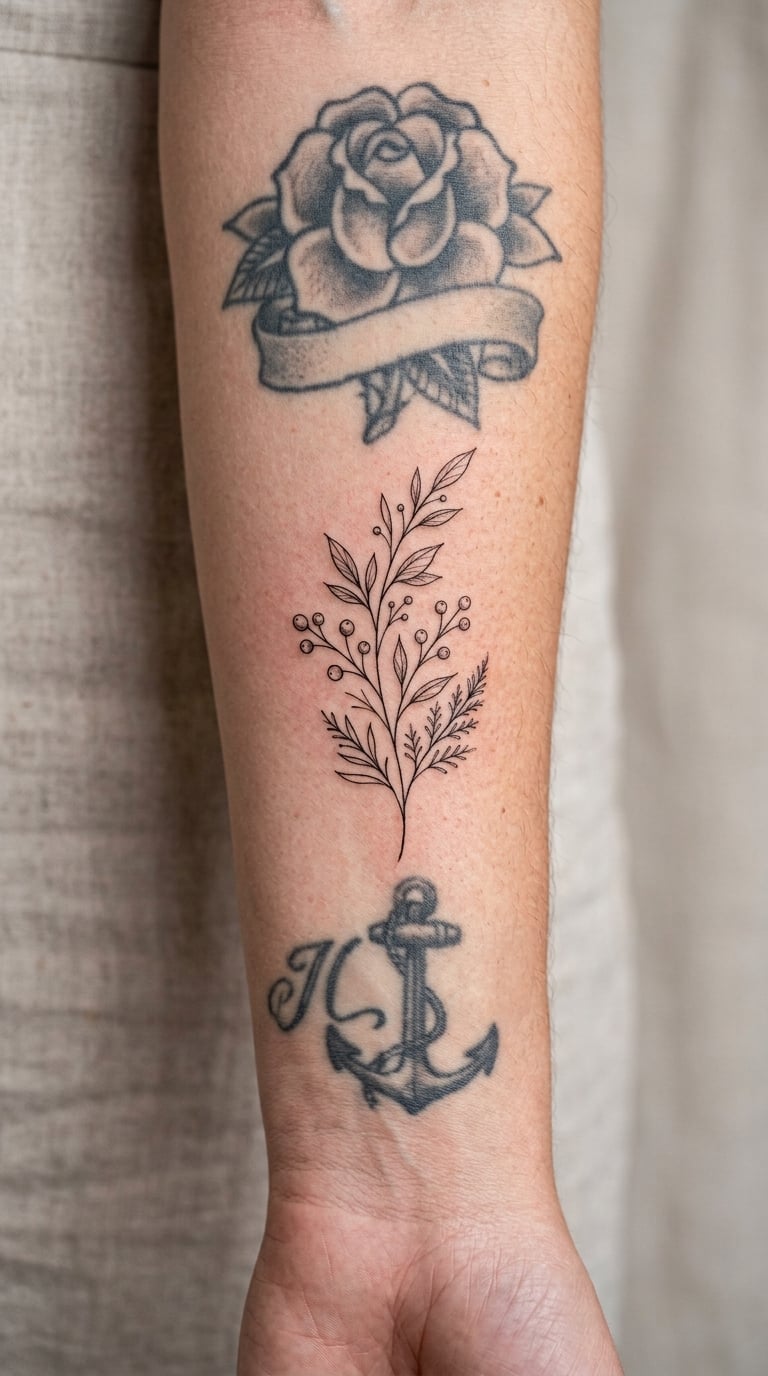
If you already have ink from your twenties that has faded, gone patchy or drifted with weight changes, a botanical trail is the quietest fix there is. Instead of covering anything, you fill the empty gaps between the old pieces with small leaves, and the whole area starts reading as one deliberate composition.
Fillers are much cheaper and shorter than a cover-up, and they need far less commitment, which is why so many women in their fifties choose them first and decide about the rest later. The key is to have the new work match the direction and darkness of what is already there. If the old ink is grey and the new leaves are solid black, you have just made the fading more obvious.
Pain and time: a small sprig takes 30 to 45 minutes, and the area may be more tender than fresh skin would be. Tell the artist about the old ink before they start.
15. Black-and-Grey Mountain Range Across the Shoulder Blade
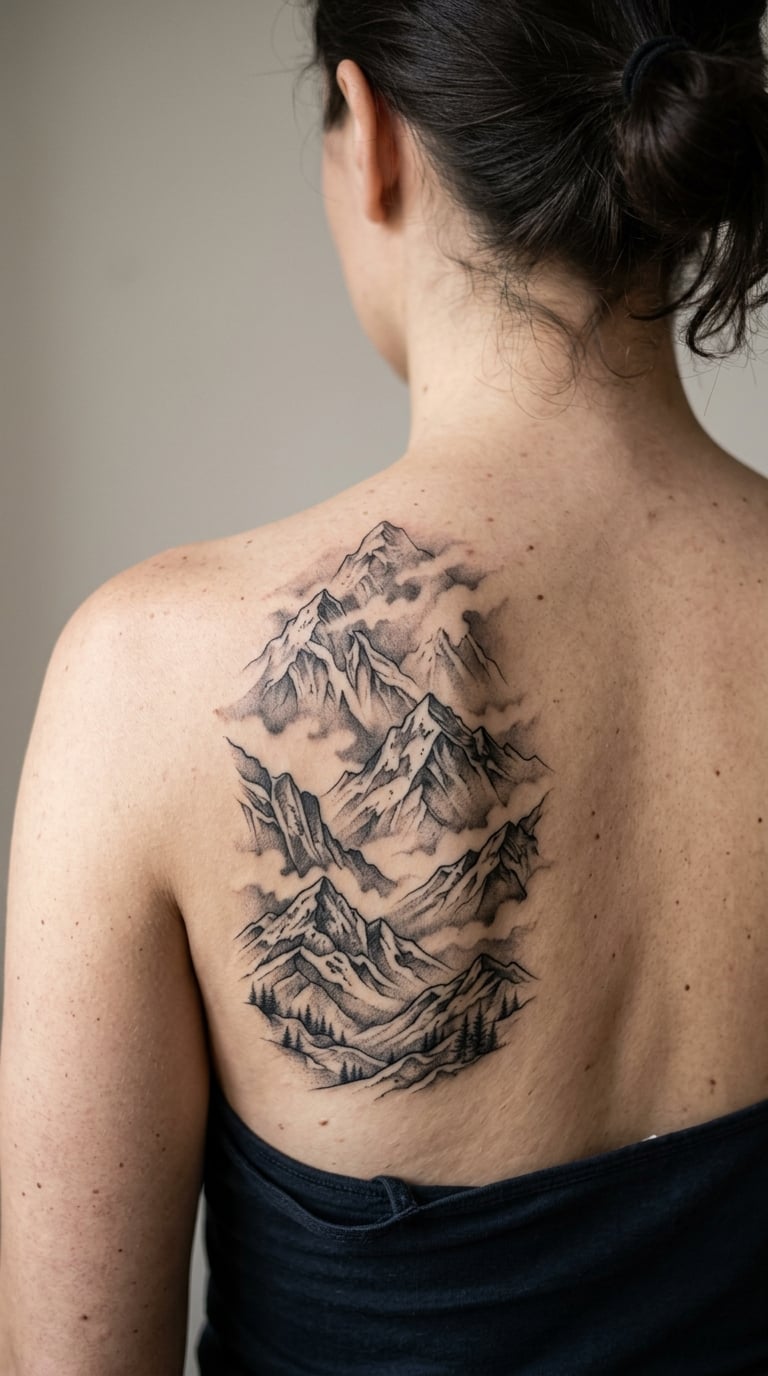
A mountain range in black-and-grey across the shoulder blade is for anyone who has a place that still means something to them. It reads as scenery rather than decoration, it hides easily under a shirt, and the layered ridges hold contrast far better than a single silhouette would.
Keep the range horizontal and no wider than twenty centimetres, with at least three tonal layers. Depth is what makes black-and-grey work on mature skin, because the eye reads the layers as separate even when the lightest grey has softened over the years. The upper back stays firmer than the lower back, so the shoulder blade area is one of the better canvases you can pick for a piece this size.
Pain and time: the back is low on pain, high on fidgeting. Two hours for a range this size, split into two sessions if you want to be able to move.
Before You Book: Artist, Healing, Sun and Skin
Most of the disappointment I hear about comes from the consultation, not the design. Bring your shortlist, be honest about where you work and who will see it, and let the artist adjust the concept for your skin before anything is permanent.
What tattoo ideas for women over 50 age best on mature skin
As skin ages it loses collagen and elasticity and picks up sun damage, so fine lines blur, colours fade unevenly and contrast drops. Line weight is the single thing you control, and it matters more than style or subject.
- Ask for a line weight one step bolder than the reference image. It looks confident now and stays readable in twenty years.
- Choose black-and-grey over pastel colour. Ink on skin with less pigment in it holds dark values far better than light ones.
- Favour flat, firm areas: the upper back, the outer thigh, the shoulder cap, the back of the shoulder. The forearm, the back of the hand and the lower back take more sun damage than the rest of the body.
- Avoid very fine script and hairline detail on sun-exposed skin. If a piece must carry lettering, put it somewhere covered.
- Pick designs with a strong silhouette, because a shape holds its edge after the shading inside it has faded.
- Expect your artist to make the design slightly smaller or heavier than the picture you bring. That is them working with your skin, not dismissing your idea.
Five questions to ask an artist who works with mature skin
- How often do you tattoo clients over 50, and how do you adjust line weight for thinner skin?
- What areas of my skin have you seen fade fastest? Have you seen my body type before?
- Will my design need to be bigger or darker to hold up, and what will you change from my reference?
- How long will this take, and does the fee cover the full design across more than one session?
- What do you need me to do before the session, and how long should I avoid sun on the area afterwards?
Bring a handful of reference images rather than one, and describe what you like about each in words. It is normal for the artist to redraw your idea into their own hand, and most working tattooists prefer that to being asked to copy a picture exactly.
How to refresh or cover ink you got in your twenties
Women with tattoos from their twenties usually have three options, and the right one depends on how much ink is left.
- Refresh: the lines are still there but pale. The artist re-inks over the original, and you keep the design you already have.
- Gap filler: patches have gone soft or vanished. Small botanical or ornamental elements fill the empty spaces, and the old pieces become part of the composition.
- Blast-over or cover-up: a bold new design laid on top of an old one. It works best when the new design is large enough to fully absorb the old outline, and it takes the longest session of the three.
Cover-ups need patience. Most need two or three sessions spaced weeks apart, and the fee is usually discussed per session. Book the consultation first and let the artist look honestly at what is there before you commit to a concept.
Healing, numbing and what a session actually feels like
Healing on mature skin is not slower, but dryness can be more noticeable, so a plain unscented moisturiser applied a few times a day for two weeks makes a real difference. Wash it twice with lukewarm water and gentle soap, pat it dry, and leave the film alone.
Most women in this group find pain more manageable than expected and more localised, though the bone-on-bone spots like the wrist, collarbone, ribs and ankle are the ones people remember. Numbing cream is worth asking about, and taking a break is always allowed. Sessions of 90 minutes to two hours are the norm, and anything larger is usually split.
Sun protection is the part people skip. Keep the area covered for two weeks, avoid tanning for longer, and if the piece is on a hand or forearm, use daily sunscreen on it for the rest of your life if you want the colour to stay where you put it.
Frequently Asked Questions
What tattoos look best on aging skin?
Black-and-grey designs with a strong silhouette and a slightly bolder line weight hold up best on aging skin. Mature skin has less collagen and elasticity and often more sun damage, so fine hairlines blur and pale colours grey out first. Flat, firm placements like the upper back, outer thigh and shoulder cap fade more slowly than the forearm or the back of the hand. Ask your artist to widen the reference design by a third before they start.
Is it a good idea to get a tattoo at age 50?
Yes, and plenty of people do it well past 60. The ink sits in the dermis, so it does not sag when the skin above it thins or loosens. What changes at 50 is the planning: your skin is drier and often sun-damaged, healing can be itchier, and thin areas need a heavier line to stay legible. Choose an artist who regularly works on mature skin and your first piece will age better than most.
Where should a 50 year old woman get a tattoo?
Choose firm, well-cushioned skin: the outer upper arm, the shoulder cap, the upper back between the shoulder blades, or the outer thigh. These areas hold detail and take less sun damage than the forearm, back of the hand or lower back. If the design is lettering, keep it on an inner arm under a sleeve. If it is a colour piece, avoid anywhere your skin has darkened unevenly from sun exposure.
How do I keep a tattoo classy and discreet at work?
Put it somewhere a shirt or jacket covers when you need it covered: the upper back, the outer thigh, the back of the shoulder or the inner arm. A single small design reads as more considered than several scattered ones, and black-and-grey suits formal workplaces better than a bright colour. Tell your artist where you work before the consultation so the size and placement are designed around your actual week, not a guess.
What kind of tattoos age the worst?
Hairline fine-line script on sun-exposed skin ages worst of all, because thin strokes soften and the letters blur into each other. Very pale pastel colour on the forearm or the back of the hand fades unevenly, and tiny details under three centimetres lose definition over time. Trend-driven small motifs and heavily shaded pieces also date faster than bold blackwork with a clear outline, which tends to look intentional for decades.
How do I avoid regretting my first tattoo in my 50s?
Pick a design with meaning you would still want at 75, not one that follows a trend. Ask to see healed work, not fresh work posted online, since Instagram photographs flatter tattoos that have not settled. Leave at least six months between deciding and booking if you can, and talk honestly with whoever is closest to you, because a design your family hates is a design you will look at every day. Regret usually comes from rushing, not from choosing wrong.
Where to Start With Your First Tattoo After 50
Start with the placement, not the picture. Decide how visible it needs to be in your actual week, pick a firm and covered area, and let the design follow. Of the 15 tattoo ideas for women over 50 here, the wrist birth flower, the inner forearm constellation and the small hand laurel are the ones I would put at the top of a shortlist for a first piece, because each one is small, meaningful and easy to live with.
Book a consultation, ask for heavier line weight than you think you need, and go in knowing that the artist will redraw your idea. The regret people describe in online threads almost always comes from a rushed decision or a design chosen for a decade that has already passed.