
What to Do Before Getting a Tattoo: Your Checklist (October 2026)
What to do before getting a tattoo comes down to four things: decide on a design you actually want, find an artist whose work you like, agree on placement, size and total cost in writing, and turn up on the day fed, rested and prepared. Everything else is detail around those four decisions.
Most people rush the first one. They find a design on a phone at midnight, message a shop the next morning, and book whatever slot comes up. That is how you end up with something on your forearm that a stranger designed for you. A few unhurried weeks beforehand fix almost all of it.
Below is the full checklist, from the decision stage through to the week after. I have written the ranges in US dollars because that is the market most people reading this are shopping in, and rates vary a lot by city and by how experienced the artist is.
How to Prepare for Your First Tattoo
Take your time deciding, research artists rather than shops, ask how they handle hygiene, eat a normal meal beforehand, wear loose clothing over the placement, and book a consultation instead of a same-day chair. Nothing about getting a tattoo requires you to rush.
Start with the fact that this is permanent, or close enough. Removal exists and it works, but it is a long, expensive and often incomplete process. Treating the decision as permanent changes how you make it.
Then give it time. A good rule is to live with the idea for 30 days before booking. Not a formality, a genuine test. Save the design to a folder on your phone, look at it when you wake up and when you go to bed, and notice whether you are still drawn to it in week three. Most impulse tattoos are not designs you hate. They are designs you did not want strongly enough.
Research takes longer than people expect. Good artists book out weeks or months in advance, especially for a first consultation, so the lead time is real and it belongs in your planning. If you are choosing a date around a wedding, a new job or a holiday, work backwards from that date rather than forward from today.
One more piece of honest housekeeping: tell the people whose opinion you care about before you book, not after. Visible tattoos change how some employers, landlords, family members and partners react, and it is a lot easier to have that conversation when nothing is permanent yet. Nobody is required to like your tattoo, and that conversation is not a vote.
There is no season that is strictly better for booking, but seasons do shape life around a tattoo. Healing a sleeve takes weeks of loose clothing and careful sun avoidance, so autumn and winter appointments are easier to dress for. Booking a large piece before a beach holiday is a scheduling mistake you will notice daily.
What to Do Before Getting a Tattoo: Quick Checklist
This is the whole plan on one page. Tick each row before you book, not after.
| Stage | What to do | Why it matters |
|---|---|---|
| Design | Save 3 to 5 references you genuinely like, not 30 you might | A clear shortlist lets an artist draw from what you actually want |
| Design rights | Use the reference as inspiration, not a tracing template | Copying a working artist’s flash exactly is a copyright problem |
| Portfolio | Look for healed work in your style, not just fresh | Fresh photos flatter everything; healed photos tell you how it wears |
| Consultation | Book one separately, at least a week out | The artist needs time to design before you sit down |
| Hygiene | Ask about single-use needles, ink handling and sterilization | Non-negotiable, and the answer should be unremarkable |
| Placement | Discuss it on your own body, not from a photograph | Every body reads differently in real space |
| Size | Measure what your chosen area can hold | Details forced into a small space turn to mush |
| Colour | Decide whether the design needs colour at all | Colour is more work, more time and more cost |
| Budget | Get a total, a deposit and a session estimate in writing | Hourly and flat pricing behave very differently once started |
| Timing | Leave weeks between the booking and the event you want it hidden for | Fresh tattoos peel and look obvious for a while |
| Clothing | Pick something loose that covers the spot, plus an easy outer layer | Tight fabric over fresh ink is a bad first impression |
| Identification | Bring photo ID; age rules apply if you are under 21 | Legal requirement in many places, refused without it |
| Payment | Confirm the method and whether a tip is expected | Card machines and cash policies differ shop to shop |
| Day of | Eat, hydrate, sleep, no alcohol, follow the artist’s medication advice | A faint, shaky session is a bad use of your deposit |
| Aftercare | Read the artist’s instructions before the day, not after | Healing problems usually trace back to confused instructions |
That is the short version. The rest of this guide explains each row properly, including the two people most first-timers never talk to: their employer and their future selves.
How to Choose a Tattoo Design You Will Not Regret
A design that ages well has enough breathing room, sits where the body can carry it, and holds up when you view it small. Test every candidate by shrinking it to the size of a postage stamp on your screen. If the shape falls apart at that size, it will fall apart on skin.
Detail is the first thing to check. Fine hairlines on fingers and hands blur noticeably within a few years because of sun and wear, and tiny shading gradients can clog over time. If a design depends on delicate realism, ask the artist how it will look in a decade, and take their answer seriously. A good artist will tell you when a size is too small for the idea.
Next, check how the design sits on a body rather than on a screen. Curves compress designs, and a composition that reads well as a flat image can become lopsided on a shoulder or a hip. Most artists keep a photo or drawing of your body on file for exactly this reason, and it is a good sign if they bring it up first.
Protecting the design matters too. Flash drawn by a specific artist is that artist’s work, and asking someone to reproduce it exactly puts them in a difficult position. A good compromise is to bring references for the style, subject and mood, and let the artist redraw the composition in a way suited to your placement. If a shop offers to copy an image from a social media feed word for word, that is a warning rather than a convenience.
Some designers also flag designs with existing tattoos on other clients. If you bring the same composition an artist already did for someone else, expect them to rework it, and do not take that as a refusal.
Finally, ask whether the design fits the next decade of your style, not just this one. People change their hair, their job and their taste. A design tied tightly to a current phase is harder to live with. If you are still interested in the subject at 40, you are in reasonable shape.
For style-specific longevity, I like how the pieces in what tattoo styles age the best break down which approaches hold up over time. For a different angle, minimalist pieces with deliberate personal meaning are covered in tattoo ideas for anxiety and calm.
How to Find the Right Tattoo Artist
Look at healed work in the style you want, check that hygiene answers come back plainly, and ask how the artist handles a design that does not suit your body. An artist who declines a rushed or unsuitable request is doing their job, not rejecting you.
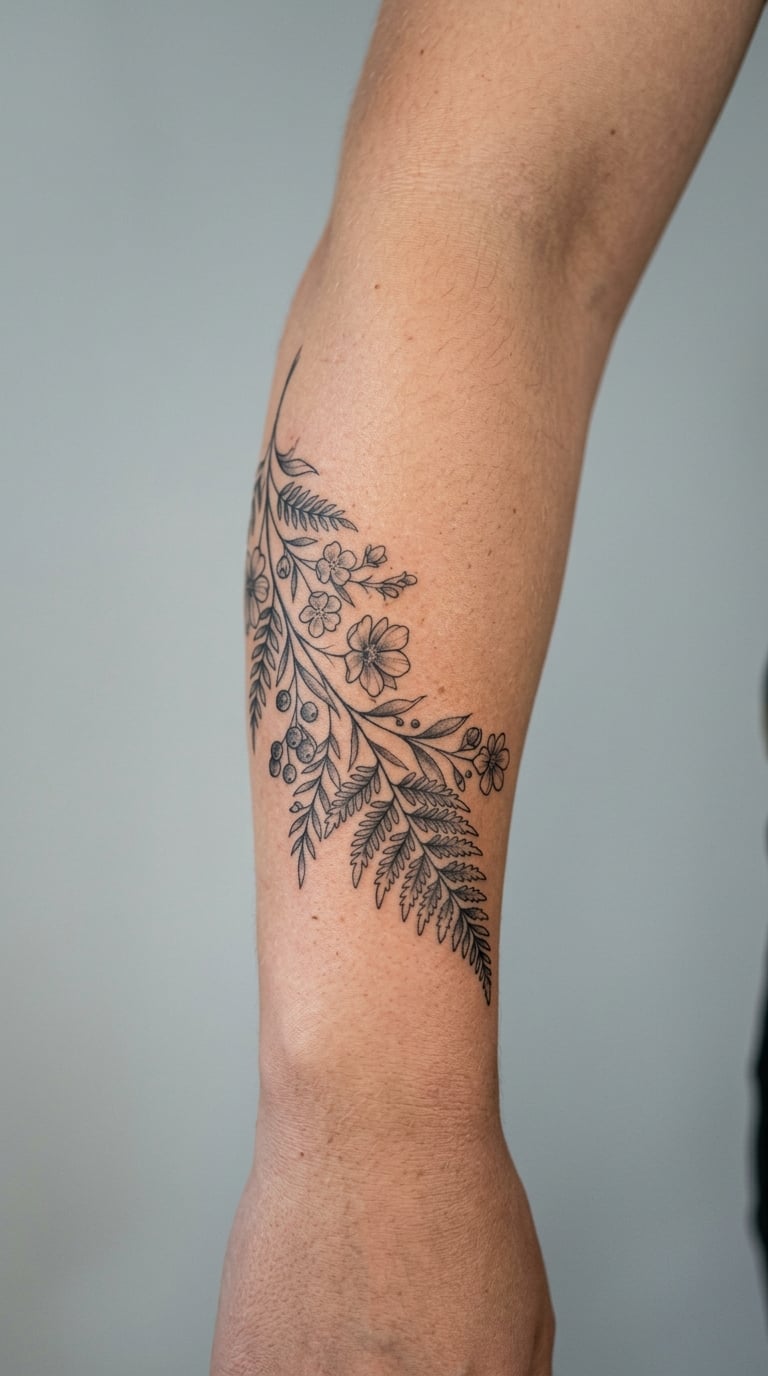
Start with the portfolio, and be specific about what you are looking at. Style match matters, but so does range: an artist who does only one thing brilliantly will still be a poor fit for a design that needs adjustment. Look for work that resembles yours in size, in line weight and in level of detail, not just work that is tattooed at all.
Pay attention to the healed photographs. Almost every good artist posts fresh work, where lines look crisp and colours look deep. The pictures that tell you something are the ones taken a year or two later, where fine detail has softened and the piece still looks like itself. A portfolio with plenty of healed shots is a portfolio someone is proud of over time.
Hygiene is a short conversation, not a long one. Ask whether needles and cartridges are single-use, how the workstation is barriered, how inks are handled, and whether they hold a current licence or permit in your area. Answers should be unremarkable and specific: single-use needles opened in front of you, barriers changed between clients, autoclave cycles logged. Hesitation, deflection or irritation is the answer to listen to.
Watch the paperwork too. A consent form, an aftercare sheet and a written quote are all signs of a studio that treats this as a business rather than a favour. So is an artist who asks about allergies, medications and previous tattoos before starting.
Now think about how they respond to you. Bring a reference that genuinely does not fit your body and see what happens. Artists decline requests for good reasons: copied flash, someone else’s wedding ring design, a design already tattooed on another client, a placement the skin cannot hold. A respectful no here is a good sign about their standards elsewhere.
Look at reviews where the complaints are specific. People tend to complain about late sessions, unclear pricing and aftercare that vanishes once the money changes hands, and those complaints tell you more than a five-star average does.
Licensing rules vary by state, province and country, so check what applies where you are. In some places only a licensed tattoo shop may tattoo, and piercing or permanent-makeup credentials are not the same as a tattoo licence. It takes one search to know which rules you are holding an artist to.
Choosing the Best Placement and Size
Choose placement by how the body moves and reads in real life, not by copying a photograph. Pick a size your chosen area can genuinely hold, and approve the placement by looking at a stencil on your own skin before any ink goes in.
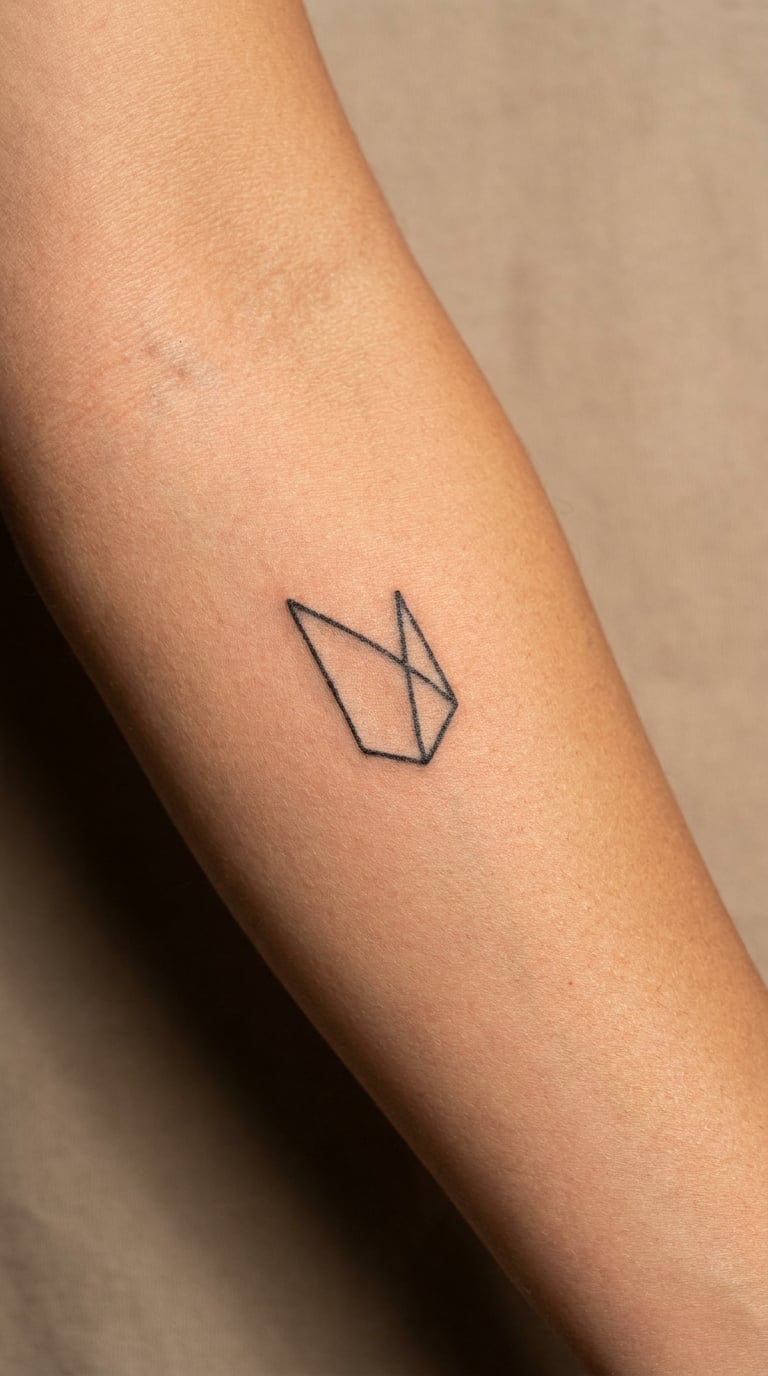
The best way to choose a placement is a body map conversation, and the best tool is the stencil. Artists place a printed or drawn stencil on your skin, you look at it in a mirror, in daylight, and from the angles you actually get seen from, and only then does work begin. Approving a design from a phone screen is approving a different tattoo.
Here is how common areas behave.
| Placement | Visibility | Comfort | Realistic size | Notes on design |
|---|---|---|---|---|
| Inner forearm | Moderate | Moderate | 2 to 6 inches (5 to 15 cm) | Curves with the arm, so tall vertical designs distort |
| Outer upper arm | Low to moderate | Mild | 2 to 5 inches (5 to 13 cm) small, up to a full sleeve | Large flat canvas, forgiving for detail work |
| Back of the shoulder | Low to moderate | Moderate | 3 to 8 inches (8 to 20 cm) | Reads well at a distance; watch the shoulder cap curve |
| Chest and sternum | Moderate to high | Moderate | 3 to 8 inches (8 to 20 cm) | Ribcage movement changes the line over time |
| Side of the ribs | Moderate | Uncomfortable | 2 to 5 inches (5 to 13 cm) | Fine detail suffers as ribs move under the skin |
| Thigh | Low | Mild to moderate | 3 to 8 inches, or larger panels | Big area, good for wrap-around pieces |
| Calf | Moderate | Moderate | 2 to 6 inches (5 to 15 cm) | Muscle shape changes the design as it ages |
| Spine | Low | Moderate | Any length, narrow width | Best kept narrow; wide pieces curve off the back |
| Wrist and ankle | High | Moderate to uncomfortable | 1 to 3 inches (2.5 to 8 cm) | High visibility, frequent sun exposure, easy to notice when it fades |
| Hand and fingers | High | Uncomfortable | Under 2 inches (5 cm) per element | Detail fades fastest here; most people start elsewhere |
Sizes are rough because bodies are. A design that fits one person’s forearm can look lost on the next, which is why scale the artwork to the area rather than picking an area to fit a fixed picture.
Think about three practical factors: how visible the spot is at work, how often the area bends or stretches, and how sun hits it. A design on a sun-exposed arm will fade faster than the same design on an upper arm that always wears a shirt, and if you care about longevity that is worth knowing before you choose.
Check for practical obstructions too. Hair is often shaved for a session and grows back fine. Ankles swell. A waistband rubbing a lower back piece is a permanent irritation, not a temporary one. And a tattoo near a joint will crack as the joint moves, so line weight matters more there than anywhere else.
What Questions to Ask at the Tattoo Consultation
Ask what the artist has tattooed that is closest to your design, what they would change about it for your placement, how long the session will run, whether the price is fixed or hourly, and what the aftercare and touch-up terms are. Ten minutes of questions here saves a bad appointment.
Bring your references sorted into a clear order, from most to least important. Artists read your intent faster when the hierarchy is visible, and it saves the session from drifting.
Then work through this list.
- How many pieces in this style have you done, and can I see healed ones?
- What would you change about this design for my body and this placement?
- How long do you estimate the session will take, and do you take breaks?
- Is the price fixed for this piece or charged by the hour, and what changes the estimate?
- Is a deposit required, and what is the cancellation or rescheduling policy?
- Do I need a second session, and is that included in the quote?
- What does a touch-up cover, and when would I need one?
- What are your aftercare instructions, and when should I contact you if something looks wrong?
- Do you tattoo the placement I have in mind, or do you see a problem with it?
- What do I do if I have to cancel or reschedule at short notice?
Ask the last question about what happens if the tattoo does not heal the way it should. A good answer names a process: come back in, the artist assesses it, and any session needed to fix it is handled fairly. Vagueness on this point is worth weighing heavily.
Take notes. Screenshot the quote. Later you will be glad you are not relying on memory for the deposit amount or the session length.
How Pain and Comfort Vary by Tattoo Placement
Discomfort varies far more by placement and session length than most people expect, and tolerance differs enormously between individuals. Ask your artist to take breaks whenever you want one, and agree a signal in advance.
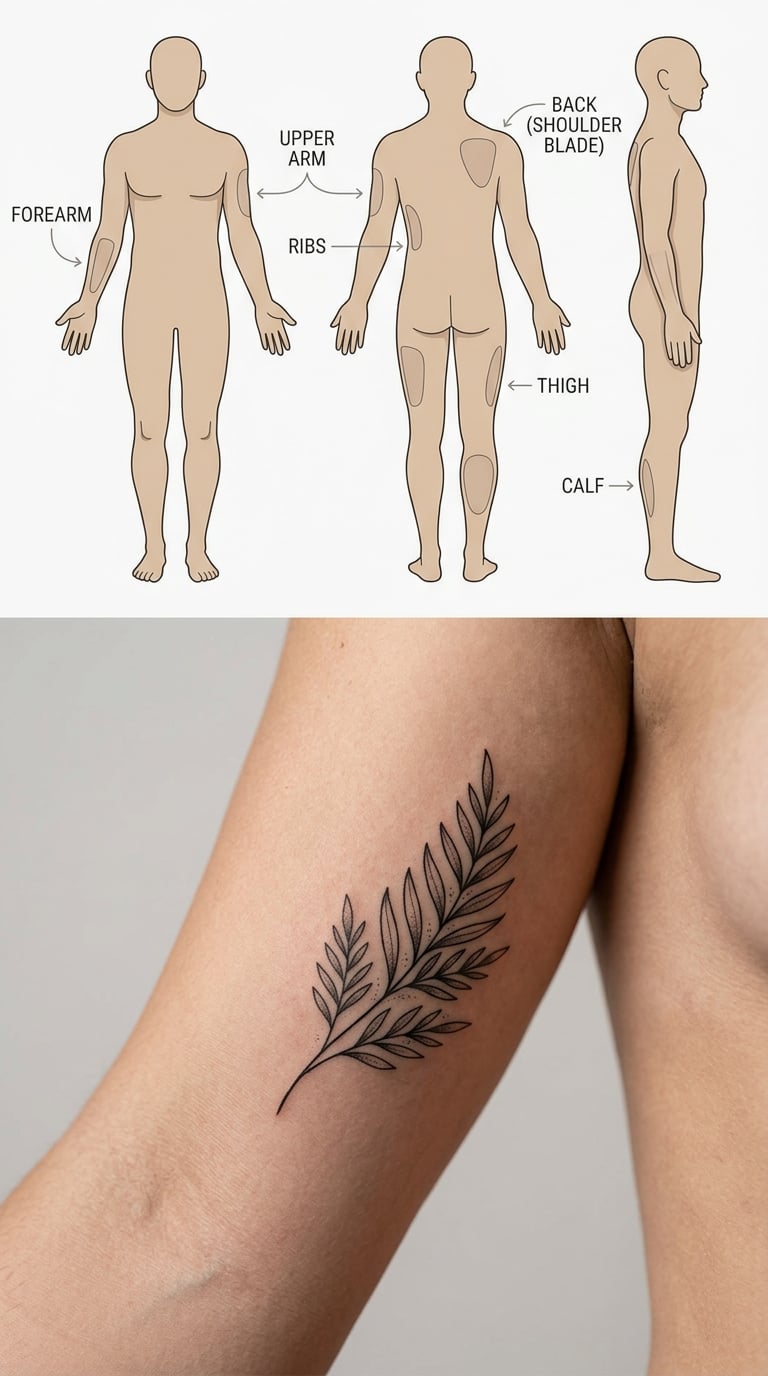
Nobody can promise you a number, and anyone who does is guessing. What is useful is a general ranking so you can plan for the areas you are considering. The table below describes how areas are usually described by clients, and it is a rough guide rather than a medical measure.
| Area | Usually described as | Why |
|---|---|---|
| Outer upper arm, thigh | On the milder end | Thick muscle and fat, little bone in the way |
| Inner forearm, calf | Mild to moderate | Some nerve endings near the elbow and knee |
| Shoulder, chest, back | Moderate | Large muscle groups, but long sessions add up |
| Wrist, ankle, collarbone | Uncomfortable | Bone sits close under the skin, movement is constant |
| Side of ribs, spine, lower abdomen | Among the more uncomfortable | Bone, thin tissue and the urge to breathe sharply when it lands |
| Hand, fingers, kneecap, face | Frequently the most intense | Dense nerve endings and little soft tissue |
Session length matters as much as location. A two-hour piece on a thigh is a very different experience from a five-hour piece on the ribs, and the second half of any long session feels worse than the first. If you know you will be in for hours, plan a long break in the middle and a meal before you arrive.
On medication, ask your artist and follow their advice, and be straight with them about anything you take. Aspirin and ibuprofen thin the blood, which can increase bleeding and swelling during a session, and some supplements do the same. Do not stop a prescribed medication on your own. Tell the artist, let them decide, and if you take anything regularly, mention it to a doctor first.
You will hear the sound before you feel much, and the sensation is usually described as a persistent scratch or drag rather than a sharp pain. It is uncomfortable rather than dangerous. Knowing that in advance takes a lot of the fear out of it.
Two practical comforts help most people: eat a proper meal an hour or two before, and keep still but not tense. Squirming makes it slower and hurts more, so if you need a moment, say so.
How Much Does a Tattoo Cost?
Most US studios charge one of two ways: a flat price for a specific design, or an hourly rate for the time you take up. Small simple pieces often run 100 to 300 dollars, medium pieces 300 to 1,200 dollars, and a full or half sleeve 1,500 to 4,000 dollars or more. Large custom or multi-session work can go well beyond that, and shop minimums mean a tiny tattoo still has a floor price.
Flat pricing suits you when the design is settled and the size is defined. You know the number before you sit down, and the artist works to finish inside it. Hourly pricing suits open-ended work, revisions, cover-ups and anything where the scope might grow. The trade-off is that an hourly session can run long, and you pay for every minute of it.
| Pricing method | Best for | What to confirm |
|---|---|---|
| Flat rate per piece | Settled designs, known size, single session | Whether touch-ups and a second session are included |
| Hourly rate | Cover-ups, additions to existing work, complex detail | The minimum block you are billed for, and the estimate length |
| Deposit | Almost everyone, booked ahead | What it credits toward, and the cancellation window |
What moves the number more than anything else: the size of the piece, the number of colours, how much fine detail there is, whether it is custom or picked from existing flash, and how experienced the artist is. An experienced artist working in a major city is not competing in the same market as a small-town shop, and neither of them is doing anything wrong by charging what they charge.
A few cost questions worth asking at the consultation: is the quote final, what triggers a re-estimate, is the touch-up free, and what does a cancellation within 48 hours cost. Tipping is customary in the US and commonly calculated as 15 to 20 percent of the service price, though it is never compulsory and nobody should make you feel otherwise about it.
The one rule I would keep: the cheapest quote is rarely the cheapest tattoo. A rushed piece by someone whose work you have not seen tends to need a touch-up, a cover-up or removal later, and all three cost more than doing it properly the first time.
How to Prepare Your Body on Tattoo Day
Sleep properly, eat a real meal, drink water, keep alcohol away, wear loose clothing over the placement, and follow whatever your artist has said about medication. That is the short list, and it covers almost every avoidable problem in the chair.
Sleep is the one people skip. Discomfort is much harder to sit through after a bad night, so aim for a normal evening’s rest and skip the late night out.
Eat before you go, ideally an hour or two ahead. A long session on an empty stomach leaves you lightheaded, and artists regularly pause sessions for people who have not eaten. Bring a snack and a drink for afterwards in case the session runs long.
Hydrate normally. There is no benefit to loading up on water in the last hour, and chugging beforehand just makes the appointment uncomfortable.
On alcohol, the practical answer is simple: skip it the night before and the day of. It thins the blood, it changes how you feel about pain, and it interferes with the aftercare instructions you will be given.
On medication, tell your artist what you take and follow their guidance. Do not stop prescribed medication without a doctor, and be honest about supplements too, since some have the same blood-thinning effect as common painkillers.
Clothing deserves more thought than it gets. Wear something loose and dark that covers the placement, with an outer layer you can drape rather than pull over the fresh work. A button-down shirt beats a tight T-shirt for an upper arm piece, and shorts beat jeans for a thigh. Plan how you are getting home in it, including the walk from a parking spot on a hot day.
Bring photo ID, your payment method, your references on the phone, and any medication or allergy information the studio asked for. Bring a friend if the piece is large or you are nervous; the person waiting also manages the drive home when you are not supposed to be the one driving.
Arrive early enough to fill out a consent form and have a conversation without rushing. And do not drink a large coffee on an empty stomach just to calm nerves, which is a combination that has ended more than one appointment early.
Tattoo Healing Timeline: What to Expect Week by Week
A tattoo looks finished in a session and takes weeks to actually settle. The table below gives the general shape of healing. Your artist’s aftercare instructions always take priority over anything you read here.
| Time | What is happening | What it usually looks like |
|---|---|---|
| Session day | Ink goes in, skin is cleaned and covered | Red, raised and damp; a stencil outline may still be visible |
| Days 1 to 3 | Surface healing starts, some tenderness | Like a mild sunburn; possibly weeping clear fluid or ink |
| Days 4 to 7 | The surface begins to dry and peel | Flaky, tight skin; colour looks duller than on day one |
| Weeks 2 to 3 | Deep skin layers settle, new skin grows over | Peeling finishes; the design looks slightly different from fresh |
| Weeks 4 to 6 | Looks healed, still settling internally | Soft, slightly raised in places, then progressively flatter |
| Months 2 to 6 | Final appearance emerges | Fine detail either holds or softens; the piece looks like itself |
| Beyond | Long-term fading and wear | Sun exposure and skin changes over years, more on exposed areas |
Two normal things surprise people. First, a tattoo looks duller and slightly different a few days in than it did when the artist finished it. That resolves as the new skin comes in. Second, a piece that looked flawless in the mirror the next day can look slightly uneven a week later while it peels, and then settle again.
Book a check-in with your artist during the first couple of weeks if you are unsure about something. Most studios would far rather answer a message than have you worry in silence.
What to Do After Your Tattoo: Basic Aftercare Planning
Follow your artist’s aftercare instructions first, wash gently, keep it sensibly covered, avoid unnecessary sun, and never pick at flaking skin. Advice varies by artist and by placement, so their written instructions outrank any general advice, including this.
Plan the aftercare before the session, not after. The first few days are simple: keep it clean, keep it covered when appropriate, keep it dry enough to heal and moist enough not to crack, and keep your hands off it.
Wash with clean lukewarm water and a fragrance-free cleanser, then pat rather than rub. A thin layer of whatever ointment or balm your artist recommends helps the skin hold moisture, but a thick coating traps heat and bacteria under the skin instead.
Follow the covering advice you were given. Fresh skin under a breathable film is protected from clothing friction and contact, and leaving it uncovered too early is a common cause of the first week’s problems. Too tight, too long, and you create a different problem, so this is genuinely a case of following instructions rather than improvising.
Leave it alone. Flaking skin comes off on its own in its own time, and pulling it off takes pigment with it. That single habit is the most common avoidable cause of patchy healing.
Keep it out of strong sun while it heals, and be sensible about sun afterwards. UV exposure is the main reason fine line and colour fade faster on exposed arms, hands and necks.
For the first couple of days, keep baths, swimming pools, hot tubs and saunas off the list, and hold off on the gym if the area will rub or get wet. Ask your artist if anything about your specific placement changes the plan, because a hand tattoo and a back piece do not have the same friction profile.
And if something genuinely looks wrong, a spreading redness, heat, swelling, pus or a fever, contact the studio and seek medical advice rather than treating it yourself. Artists see this often and will tell you straight whether you need to be seen by a doctor.
Mistakes to Avoid Before Getting a Tattoo
The expensive mistakes all happen before the appointment: deciding under time pressure, skipping the portfolio, copying saved artwork, choosing placement from a photograph, underestimating budget and sessions, and arriving without preparation.
Deciding under time pressure. Booking the first available slot because a design arrived in your head feels like commitment, and it is the opposite. A date you rushed to creates the feeling of having no choice, which is exactly the state where people are most likely to pick a placement they do not actually want.
Skipping the portfolio. If you have not seen healed work in the style you want, you are gambling. Ask for a consultation specifically to see healed work. It costs you an hour and saves you a permanent mistake.
Copying a saved image exactly. Bringing a reference as inspiration is normal and expected. Bringing a tracing template and asking for a faithful copy is a copyright problem the artist will refuse, and the shops willing to do it are the ones you least want to sit in.
Choosing a placement from a photograph. The same design sits completely differently on different bodies. Approve it on a stencil, in daylight, standing up, before anything permanent happens.
Underestimating budget and sessions. A design that looks like one piece in a photo can be three or four sessions of work. Get a written estimate, ask what a re-estimate triggers, and know before you start that a large project needs time and money beyond the first sitting.
Arriving unprepared. Skipping the meal, showing up in a shirt you have to peel over your head, and leaving your ID at home all turn a good appointment into a wasted deposit.
Treating pain as a reason to push the artist. Pain is not a test of commitment, and the moment you start pushing, sessions get rushed and results get worse. Ask for a break. Every good artist would rather stop for ten minutes than work through someone who is white-knuckling.
Not telling anyone who matters. This one is social rather than physical, and it is the regret trigger that comes up most often. A difficult reaction at work or at home is a lot easier to prepare for than to absorb after the fact.
Frequently Asked Questions
How far in advance should I book my first tattoo?
Most studios want a consultation booked a few weeks out, and popular artists fill their calendars months ahead for larger pieces. If you already know your style and placement, you can book a session directly. If you are still comparing designs, book the consultation first and let the artist design from your references, which is how you avoid turning up with a tattoo nobody has drawn for your body yet.
Should I eat before a tattoo appointment?
Yes, eat a normal meal an hour or two before, and bring a snack if the session will be long. Empty stomachs are a common reason sessions get paused or cut short, and low blood sugar makes discomfort much harder to sit through. Staying hydrated through the session helps too, though there is no benefit to chugging water in the last few minutes.
Can I drink alcohol the night before my tattoo?
Skip it. Alcohol thins the blood, which increases bleeding and swelling while the artist works, and it dulls your sense of pain, so you are more likely to push past a signal your body was giving you. It also complicates the aftercare instructions you will be given. Save the celebration for after the healing stage.
Should I take painkillers before getting a tattoo?
Tell your artist what you take and follow their advice. Common over-the-counter painkillers thin the blood and can increase bleeding and swelling during a session, and some supplements do the same. Never stop a prescribed medication on your own to get a tattoo. If you take something regularly, ask your doctor first and then tell the artist what they said.
How much should I tip my tattoo artist?
Tipping is customary in the US, with 15 to 20 percent of the service price being the usual range, and some clients round up on larger pieces. It is never compulsory, and no good artist will treat you badly for not leaving one. Check the studio’s policy at the counter, since some shops handle tips differently for large multi-session projects.
Is it normal to regret a tattoo?
Regret is common, particularly in the first week while the skin is peeling and the colour looks dull, so give it a few weeks before deciding anything. A fair number of people still change their minds years later. That is why the 30-day test before booking matters: if the design still feels like yours after a month of ordinary life, your odds of long-term satisfaction are much better.
How to Know You Are Ready for a Tattoo
You are ready when the decision stops feeling like a decision and starts feeling like a fact. Here is the order that gets you there, one step at a time.
Choose the design and live with it for 30 days. Shortlist a small number of artists whose healed work matches it, and contact two or three. Book a consultation, bring your references, and let the artist redraw the composition for your body. Approve placement and size on a stencil in daylight. Get the total cost, the deposit, the session estimate and the touch-up terms in writing, along with the aftercare instructions. Then eat, sleep, dress for it and show up unhurried.
If any of those steps feels rushed, it is not ready. There is no appointment you cannot take next month, and there is no prize for going first.
What to do before getting a tattoo is genuinely simple once you stop treating it as a leap. Decide properly, choose deliberately, agree the details, then turn up ready. Everything permanent about the result was settled in the weeks before the chair, not in the chair itself.