
When Can You Swim After Getting a Tattoo? Safe Guide (October 2026)
Most tattoo artists tell you to wait 2 to 4 weeks before submerging a new tattoo, and up to 6 weeks for large pieces or anything on a joint. A fresh tattoo is an open wound, and pools, oceans, lakes, and hot tubs all carry bacteria, chemicals, or both. The safe answer to when can you swim after getting a tattoo is: when the skin has fully closed, the peeling is done, and there are no scabs left.
This guide breaks down the real wait time by water type, walks through the week-by-week healing stages, and covers what to do if you accidentally swim too early. If you have a beach trip, a swim meet, or just a hot tub waiting at home, the timing below will help you plan it without ruining the ink.
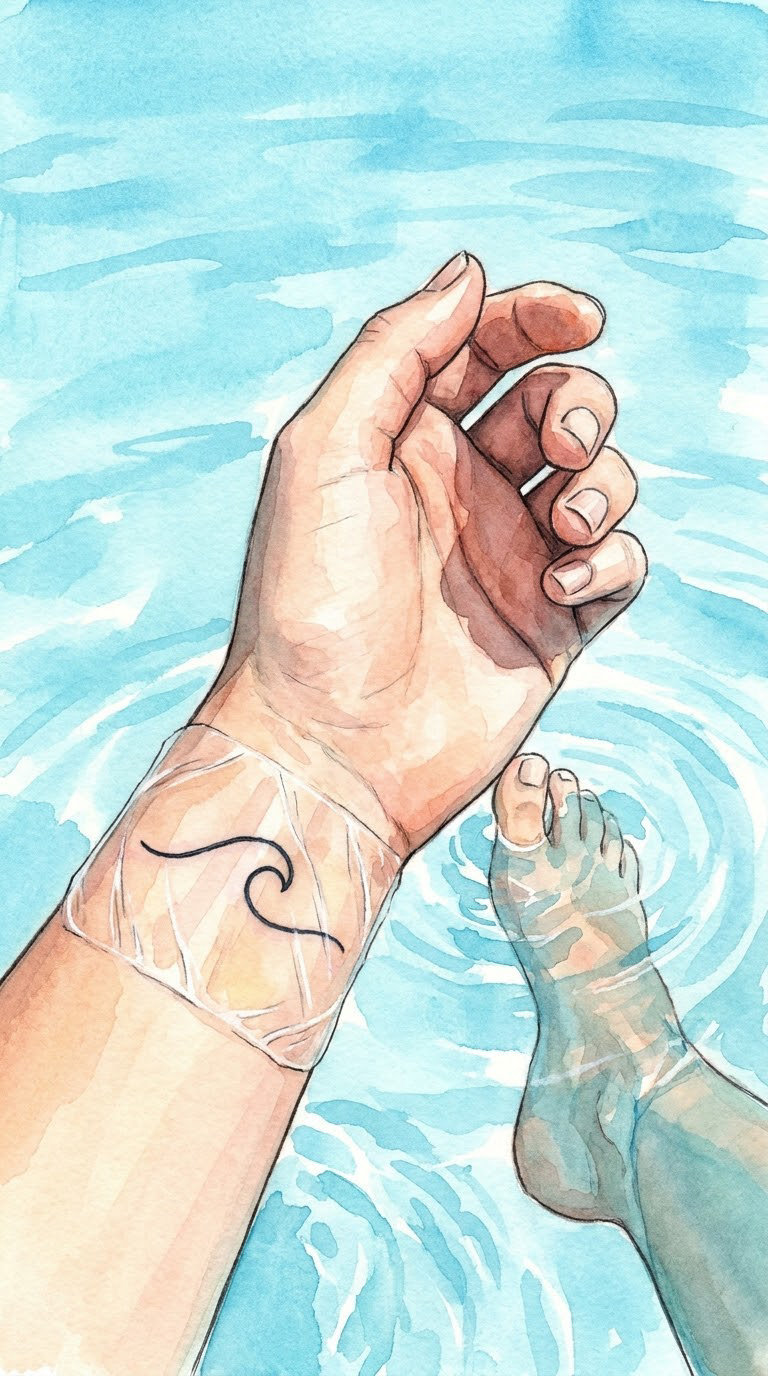
When Can You Swim After Getting a Tattoo?
Plan on 2 to 4 weeks of staying out of the water, and longer if your tattoo is large, colorful, or placed somewhere that bends and stretches a lot. The skin needs time to rebuild its barrier, and until that barrier is in place, every minute in chlorinated, salty, or dirty water is a real risk.
“Swimming” here means any submersion of the tattoo: pools, the ocean, lakes, rivers, hot tubs, bathtubs, water parks, and even long soaks in the shower. Quick rinses are fine after the first day, but a 30-minute soak is a different story.
How Long to Wait by Water Type
Not all water carries the same risk. Chlorine and salt both irritate healing skin, but bacteria levels and heat change the picture. Use this table as a starting point, then check with your artist for your specific tattoo.
| Water type | Minimum wait | Why it’s risky |
|---|---|---|
| Chlorinated pool | 2 to 3 weeks | Chlorine dries and irritates new skin and can pull ink out of a still-healing wound |
| Saltwater / ocean | 3 to 4 weeks | Salt stings, sand grinds into tender skin, and ocean bacteria can colonize an open tattoo |
| Lake or river | 4 weeks or more | Standing and slow-moving water holds bacteria and parasites with no chlorine to control them |
| Hot tub | 4 to 6 weeks | Heat opens pores, jets push water into the wound, and warm water grows bacteria fast |
| Bathtub soak | 2 to 3 weeks | Submerged skin softens scabs and lets bacteria in; quick showers are safer than baths |
The numbers are conservative on purpose. Reviewers on tattoo forums often say they waited the full 4 weeks, even when their artist cleared them at 2, and were glad they did.
The Tattoo Healing Timeline (Weeks 1-4)
A tattoo heals from the outside in, so the top layer often looks fine before the deeper skin is ready for water. Here’s what most people see week by week.
| Week | What’s happening | Swim status |
|---|---|---|
| Week 1 (Days 1-7) | Redness, swelling, oozing plasma; skin feels tight and tender | No submersion. Quick lukewarm showers only, pat dry, do not rub |
| Week 2 (Days 8-14) | Itching and flaking start; thin scabs form and fall off on their own | Still no swimming. Pools and salt water will pull color out at this stage |
| Week 3 (Days 15-21) | Surface skin looks smooth and closed, but deeper layers are still rebuilding | Light pool swims may be okay for small tattoos; large pieces still need more time |
| Week 4 (Days 22-30) | Skin is usually fully closed; tattoo looks settled and the shine is fading | Safe to swim for most tattoos. Ocean and lake still need caution for very fresh ink |
Healing varies a lot by person, size, and placement. A finger tattoo or anything on a joint can take an extra 1 to 2 weeks because the skin moves constantly and loses scabs easily. A flat upper arm or shoulder usually heals fastest.
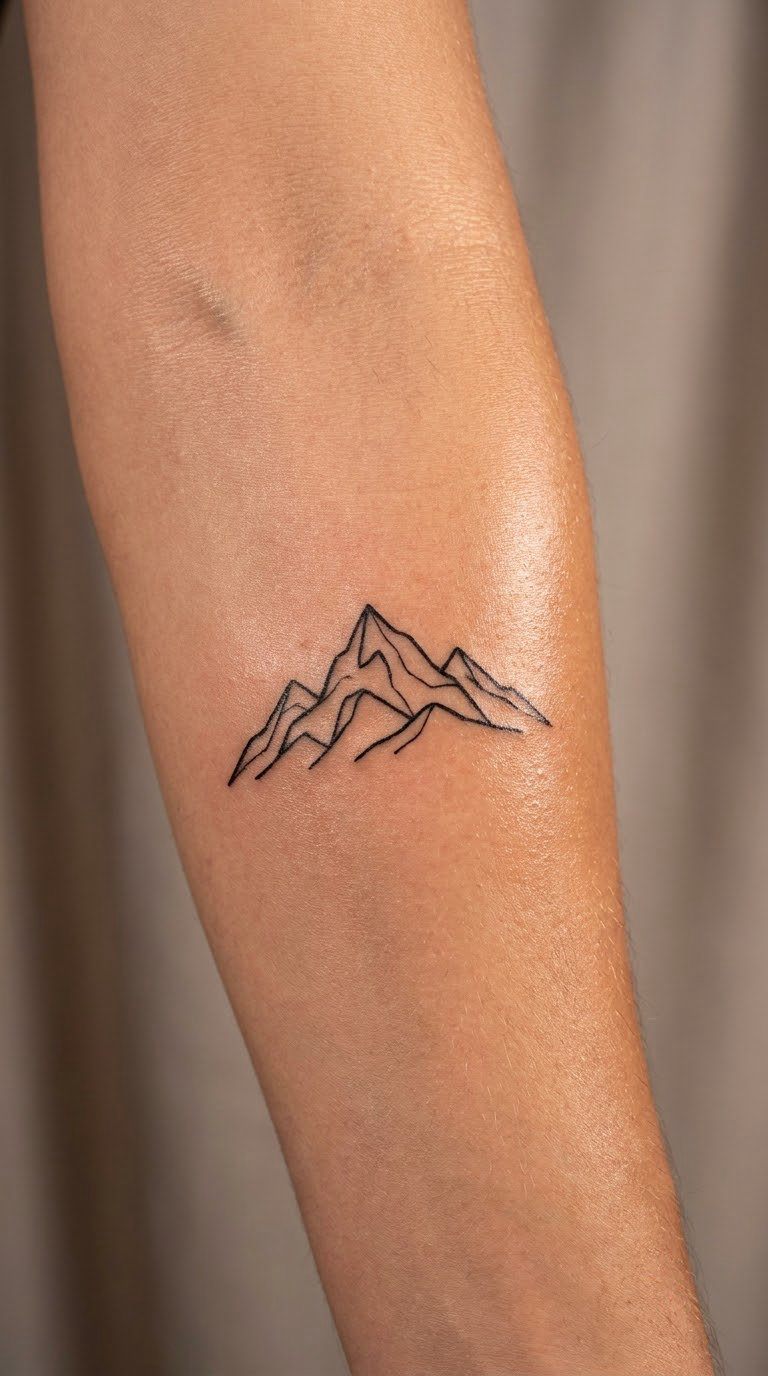
What Happens If You Swim Too Soon
Going in the water before the skin is closed can cause problems that range from mildly annoying to genuinely serious. Here’s what reviewers report most often.
- Infection from bacteria. Pools, lakes, and oceans all carry bacteria. An open tattoo is a direct path for them into the deeper layers of skin.
- Ink leaching or fading. Water softens scabs and pulls pigment out with them, leaving patchy spots that may need a touch-up.
- Chlorine and salt irritation. Both chemicals sting raw skin and slow down the healing process, even when no infection sets in.
- Scab softening and loss. Long soaks dissolve the protective scabs that are holding the ink in. Pulling them off early (even by accident) can scar the design.
- Longer total healing time. A single early swim usually adds a week or more to the full recovery, especially for color work.
If you have any reason to believe your artist would have said no, treat that as the answer. The cost of waiting a few extra days is small; the cost of a faded piece or a skin infection is not.
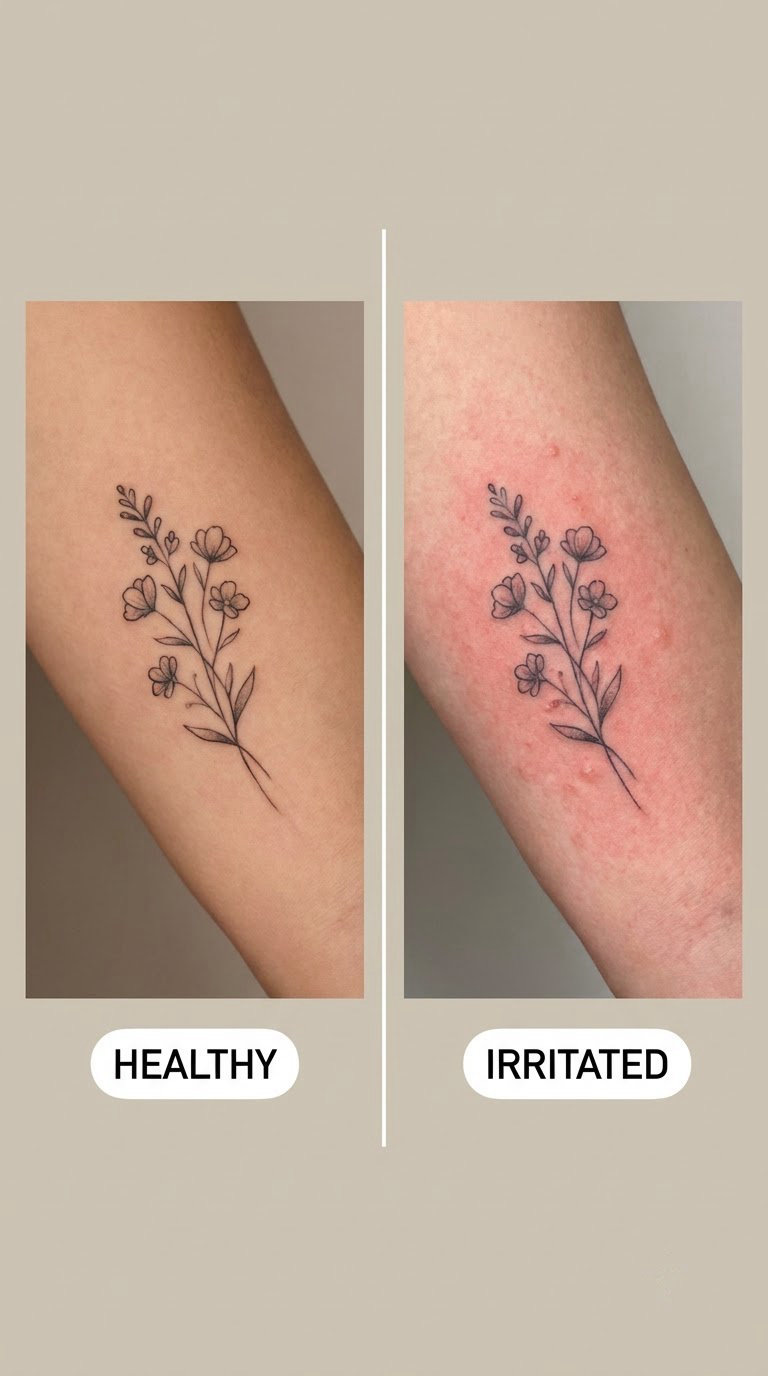
How to Protect a New Tattoo Around Water
Sometimes you can’t avoid getting near water. Maybe you have a beach vacation booked, or a pool party the day after a touch-up. Here is the safest way to handle unavoidable exposure.
- Cover it properly. A medical-grade waterproof bandage (Saniderm, Tegaderm, or a similar transparent film) sticks to the skin around the tattoo and keeps water out for short dips. Standard plastic wrap and tape do not seal well enough.
- Keep dips short. Even with a good cover, limit time in the water to under 15 minutes. The seal weakens as you move.
- Rinse right after. As soon as you are out, wash the area gently with fragrance-free antibacterial soap and lukewarm water to remove chlorine, salt, or sunscreen residue.
- Pat dry, never rub. Use a clean paper towel or a soft cloth. Rubbing a healing tattoo lifts edges and pulls out ink.
- Apply sunscreen once healed. For tattoos that are fully closed, a zinc-based SPF 30 or higher protects color from fading in the sun. Skip sunscreen on tattoos that are still peeling.
For competitive swimmers and triathletes, most coaches and medical tattoo advice point the same way: take 2 to 3 weeks of true rest, then return to lower-intensity pool work while the skin finishes closing. Heavy chlorine exposure at full training volume usually needs a full 4 to 6 weeks off the new ink.
Swimming With a Healed Tattoo
Once a tattoo is fully healed, water is not the enemy, but sun and chlorine still are over time. Both can fade color, blur fine linework, and leave older tattoos looking tired well before their time.
Two habits make a big difference for regular swimmers: rinse the tattoo with fresh water right after a pool or ocean session, and put zinc-based sunscreen on it every time it sees the sun. Pat the area dry, then moisturize with a fragrance-free lotion. Reviewers who swim weekly say this simple routine keeps their ink looking sharp for years longer than doing nothing.
If a healed tattoo ever gets red, raised, or itchy after swimming, rinse it, moisturize, and skip the next pool session. The reaction usually clears up in a day. If it doesn’t, check in with a dermatologist.
Mistakes to Avoid
Most tattoo problems after water exposure come from a small set of repeat mistakes. Skip these and your ink has a much easier time settling in.
- Submerging before the skin closes. “Looks fine on the surface” is not the same as “healed underneath.” When in doubt, wait another week.
- Peeling or picking flaking skin. Flakes come off on their own when the new skin underneath is ready. Pulling them leaves raw patches and pulls ink with them.
- Using petroleum jelly as a barrier. It traps moisture and bacteria against the wound and clogs pores. Use a proper waterproof film dressing instead.
- Ignoring redness, swelling, or discharge. A little pinkness in week one is normal. Spreading redness, warmth, pus, or a fever means infection, and a doctor visit is the right call.
- Skipping sunscreen on healed ink. UV rays are the single biggest reason tattoos fade. The water is not what ages a tattoo, the sun is.
Frequently Asked Questions
How long after a tattoo can you swim in a pool?
Most artists say wait at least 2 to 3 weeks for a small, simple tattoo and 4 weeks or more for color work or larger pieces. The skin needs to be fully closed, with no peeling or scabs, before chlorine is safe. Pool water is treated, but the chemicals still irritate a healing wound and can pull ink out.
Can I swim in the ocean with a new tattoo?
Hold off on ocean swimming for 3 to 4 weeks after getting tattooed. Salt water stings open skin, sand can grind into tender areas, and ocean bacteria can cause infection in a wound that has not fully closed. A small line tattoo on a flat area may be ready sooner, but a large color piece or anything on a joint should wait closer to a full month.
Is it safe to swim in a lake or river with a healing tattoo?
Lakes and rivers are actually the riskiest option for a new tattoo, so most artists recommend waiting 4 weeks or more. There is no chlorine to control bacteria, and slow-moving water can carry parasites. Even a fully closed tattoo can get irritated by sediment and grit, so rinse well afterward when you do go in.
Can I take a bath after getting a tattoo?
Skip the bath for at least 2 to 3 weeks. Soaking in a tub softens scabs and lets bacteria reach the deeper skin where the ink sits. Quick showers are fine after the first 24 hours; just keep them short, use lukewarm water, and pat the tattoo dry without rubbing. Baths, hot tubs, and swimming all count as submersion, so the same wait applies to all of them.
What happens if my new tattoo gets wet in a pool?
A single short dip is unlikely to ruin a tattoo that is already mostly healed, but it can still cause problems. Watch for spreading redness, swelling that gets worse instead of better, oozing, or new patchy spots in the design. Rinse the tattoo with clean water, pat dry, and avoid pools, oceans, and baths for the rest of the healing period. If signs of infection show up, see a doctor.
When can I go in a hot tub after a tattoo?
Plan on waiting 4 to 6 weeks before using a hot tub. The heat opens your pores, the jets push water into the wound, and warm water grows bacteria faster than cold water. This is the water source that causes the most complications for fresh tattoos, so it is worth waiting the full window even when the surface skin looks healed.
Conclusion
The short answer to when can you swim after getting a tattoo is the same one your artist probably gave: wait 2 to 4 weeks, longer for big or colorful pieces, and check the skin before you go in. When the surface is fully closed, peeling is done, and there are no scabs left, your tattoo is ready for the water. Until then, quick showers beat baths, a real waterproof film beats plastic wrap, and sunscreen on a healed tattoo is the best long-term protection you can give it.