
16 Matching Couple Tattoo Ideas With Meaning (September 2026)
Matching couple tattoo ideas with meaning usually win over flash tattoos for one simple reason: the design is half of a story only you two can read. A date, a set of coordinates, a line of a song. Some couples go identical, some go complementary, and plenty of people do not want ink on their skin at all, which is a completely normal thing to decide together.
I have watched a lot of couples plan these, and the ones I remember are rarely the showiest ones. They are the small wrist numbers, the quiet half-heart, the matching dot on the inside of each wrist that nobody but the two of you will ever notice. This list is inspiration only. Please don’t copy the artwork, and if you love a design, book the artist who made it.
What Does It Mean When a Couple Gets Matching Tattoos?
Matching couple tattoo ideas with meaning usually mean commitment made visible. Couples get matching ink to mark a marriage, an anniversary, a shared home, a first meeting, a long-distance stretch that ended, or simply the fact that they found each other and want to carry that on their skin.
There are three shapes it comes in. Identical means the same design in the same spot on both of you. Complementary means each of you gets a half or a pair, so the two only read as one picture together, like a sun for one and a moon for the other. Interlocking means the pieces are drawn to join when you touch, usually on wrists, fingers or palms. What the ink means is decided by you, not by the symbol. A heart is not automatically romantic if you got it to remember your grandmother.
1. Fine-Line Infinity on the Inner Wrists
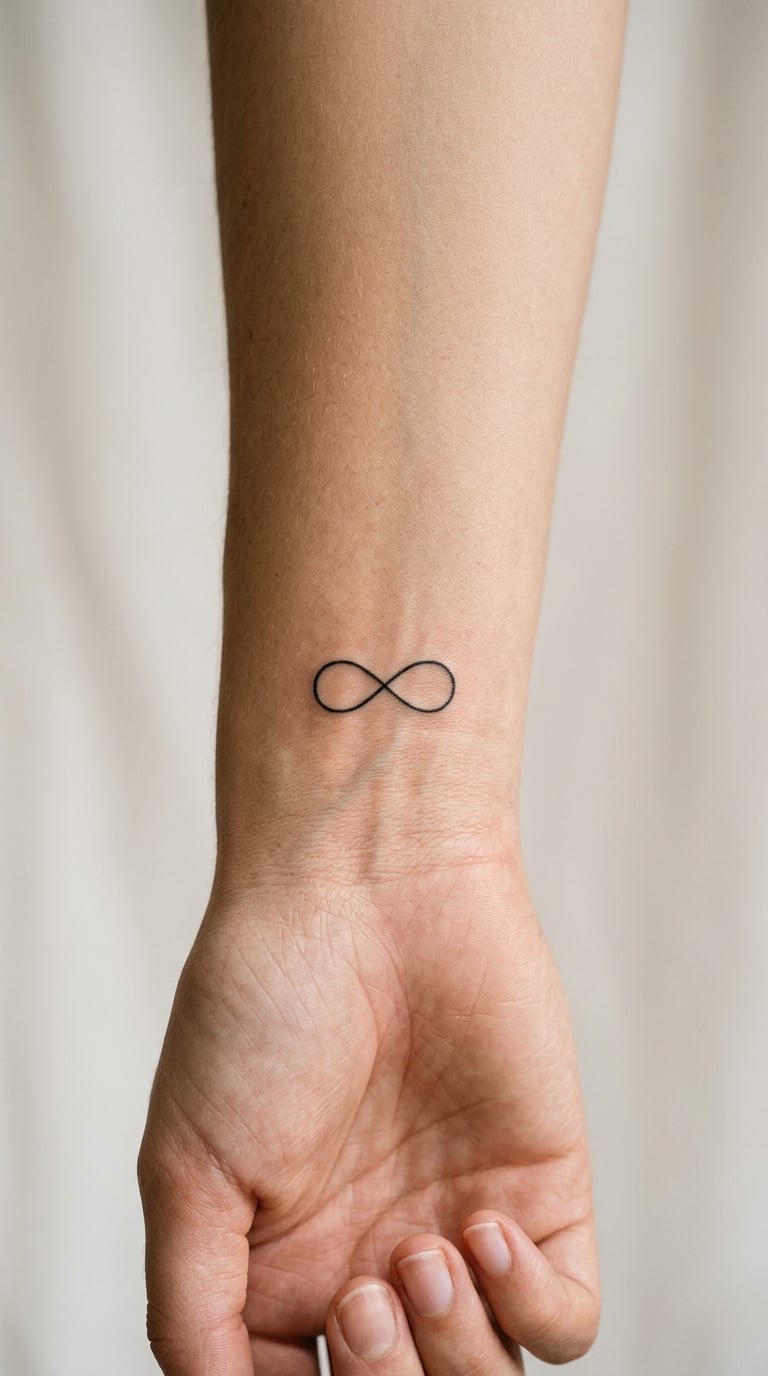
The infinity symbol is the least surprising choice here and it still works, because it is about continuity rather than romance as such. Most couples attach a date, an initial or a tiny word to it, and that extra detail is what turns a stock symbol into yours.
Keep the line thin and unbroken, and put it on the inner wrist where you can see it when your hand turns over. A single-weight fine line will soften and spread a little over the years, so a touch extra spacing between the two loops helps it stay readable.
Pain and time: Inner wrist is a bony spot and you will feel every pass. Most people describe it as a scratchy, intense 3 out of 10, and a small fine-line piece there takes 30 to 60 minutes.
2. Split Script Phrase on the Collarbones
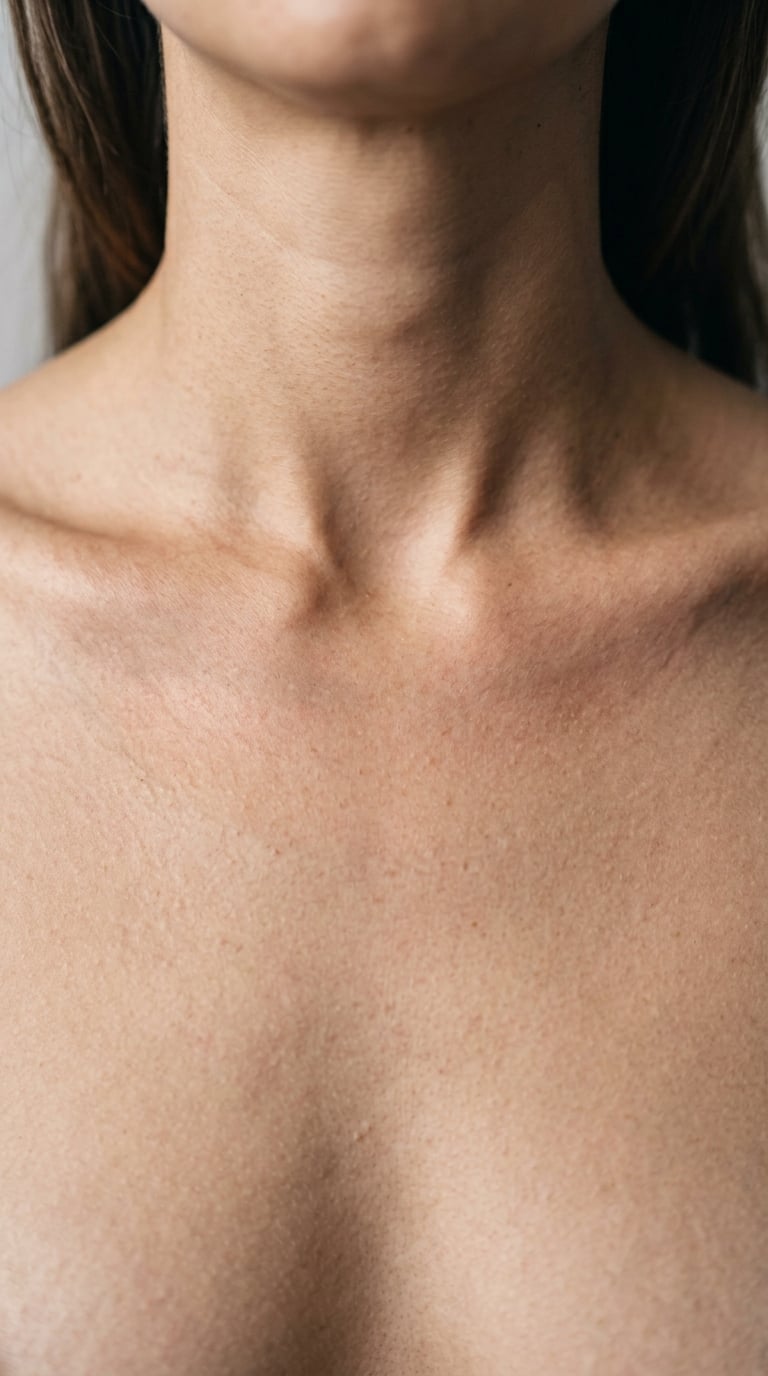
A phrase split between two people is the most personal option in this list, and the payoff is that nobody else can read the whole thing. “In this life” on one partner and “and the next” on the other is the version I see requested most.
Collarbones suit script because the skin is flat and the line runs along the bone, which keeps letters from stretching. Both partners get the same style and the same line weight, even if one goes on the left and one on the right.
Pain and time: The collarbone feels like a deep scratch, usually 4 out of 10, and bone means the needle has little to hide behind. A short script line takes about 45 minutes.
3. Coordinates of the Place You Met
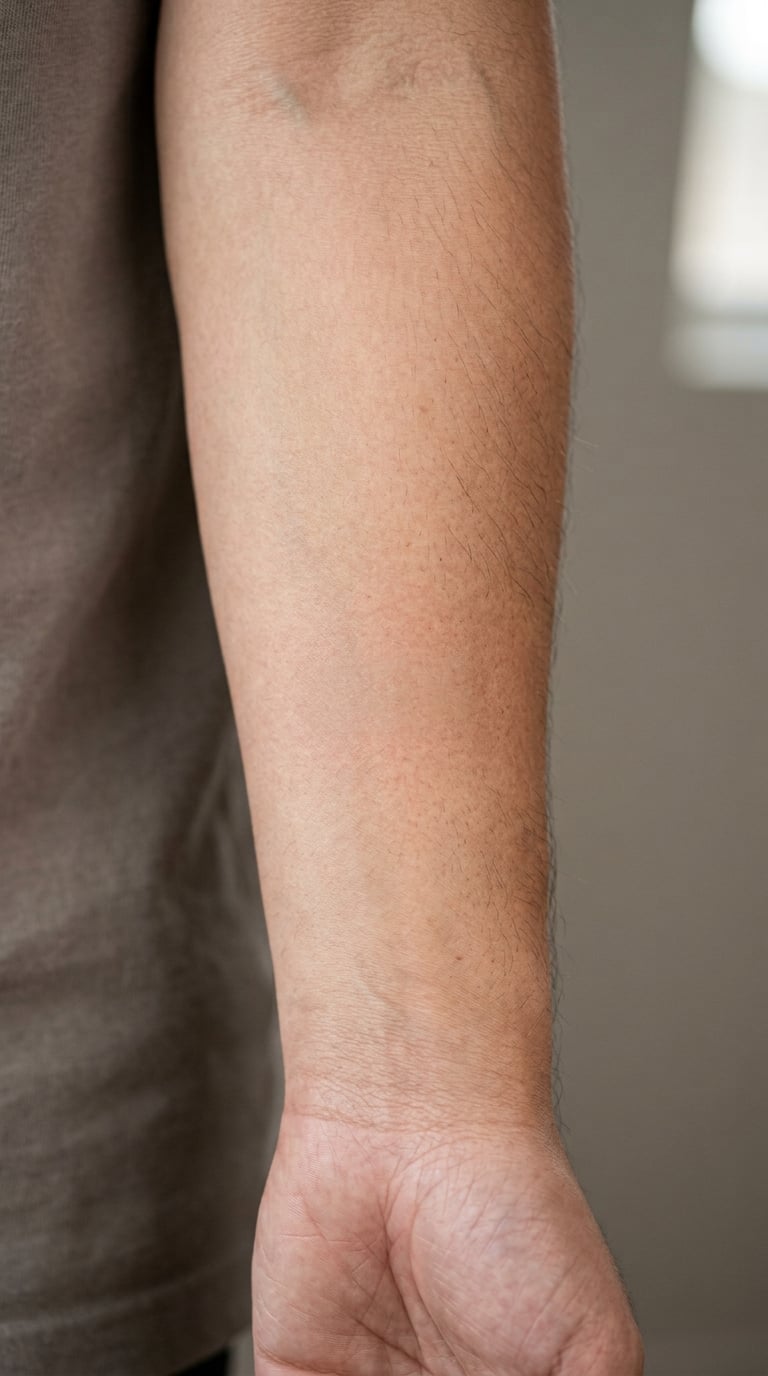
Coordinates are the most searchable of the meaningful options, because a pair of numbers can only mean one address. The cafe, the airport gate, the campsite, the hospital corridor where a child was born, whatever the real coordinates are.
Ask for the numbers in a plain sans-serif face rather than a handwriting style, so they stay legible when the numbers get longer than you expect. Both partners carry the same coordinates, which makes the two tattoos obviously a pair to anyone who knows your story.
Pain and time: The inner forearm is one of the easier places to sit for. Around 2 out of 10 for most people, and tiny numerals take 20 to 30 minutes each.
4. Star Map from One Shared Night
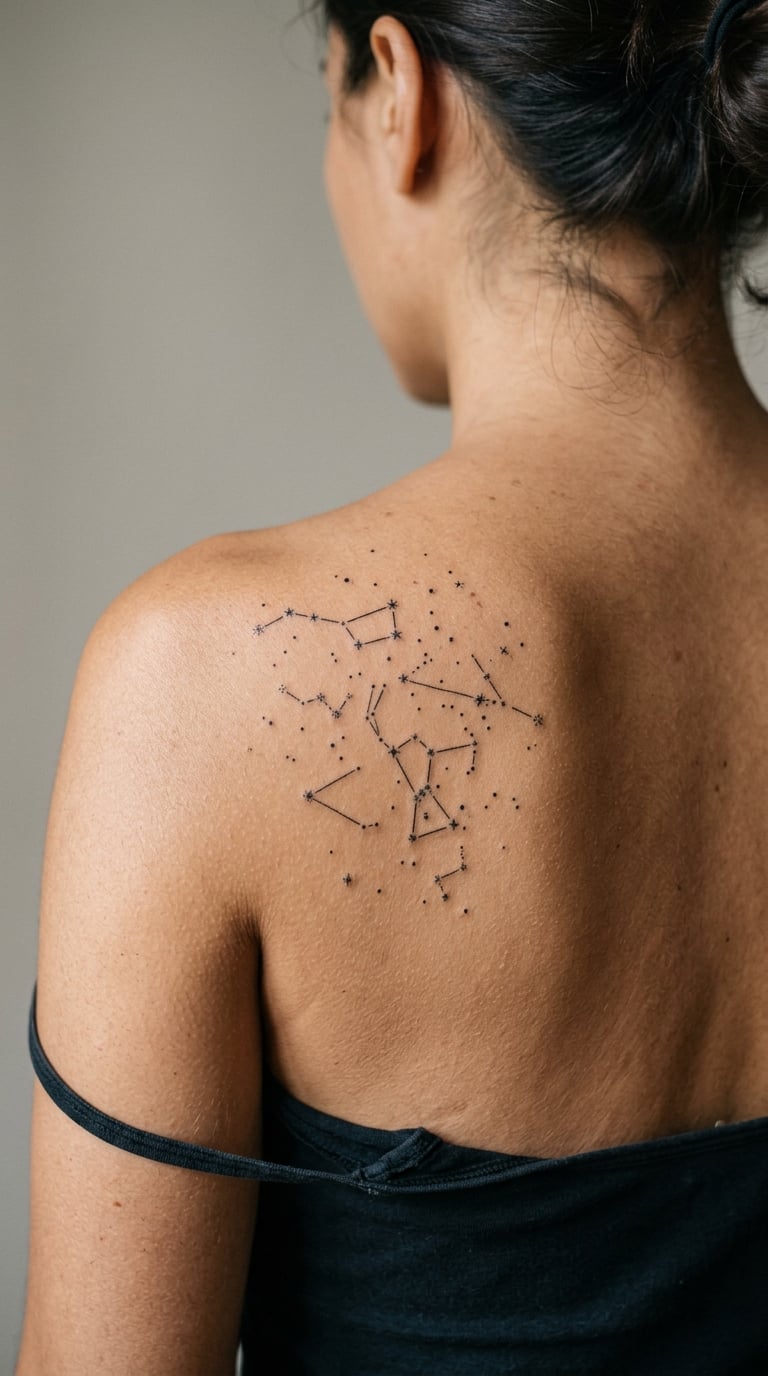
A star map is the option for a couple who met, married or got engaged under a sky worth remembering. It can be a specific date and place, or just the night you drove out to a field and talked until three in the morning.
The thing that makes a star map work as matching ink is that both versions must be identical down to the individual stars, so book one artist or bring both designs to a single session. Placement options include the upper back, the inner arm, or the back of the shoulder where it stays visible in a tank top.
Pain and time: The upper back is stingy and ticklish. Expect 3 to 4 out of 10, and a star map is a two to three hour job because of the dot density.
5. Sun and Moon on Opposite Wrists
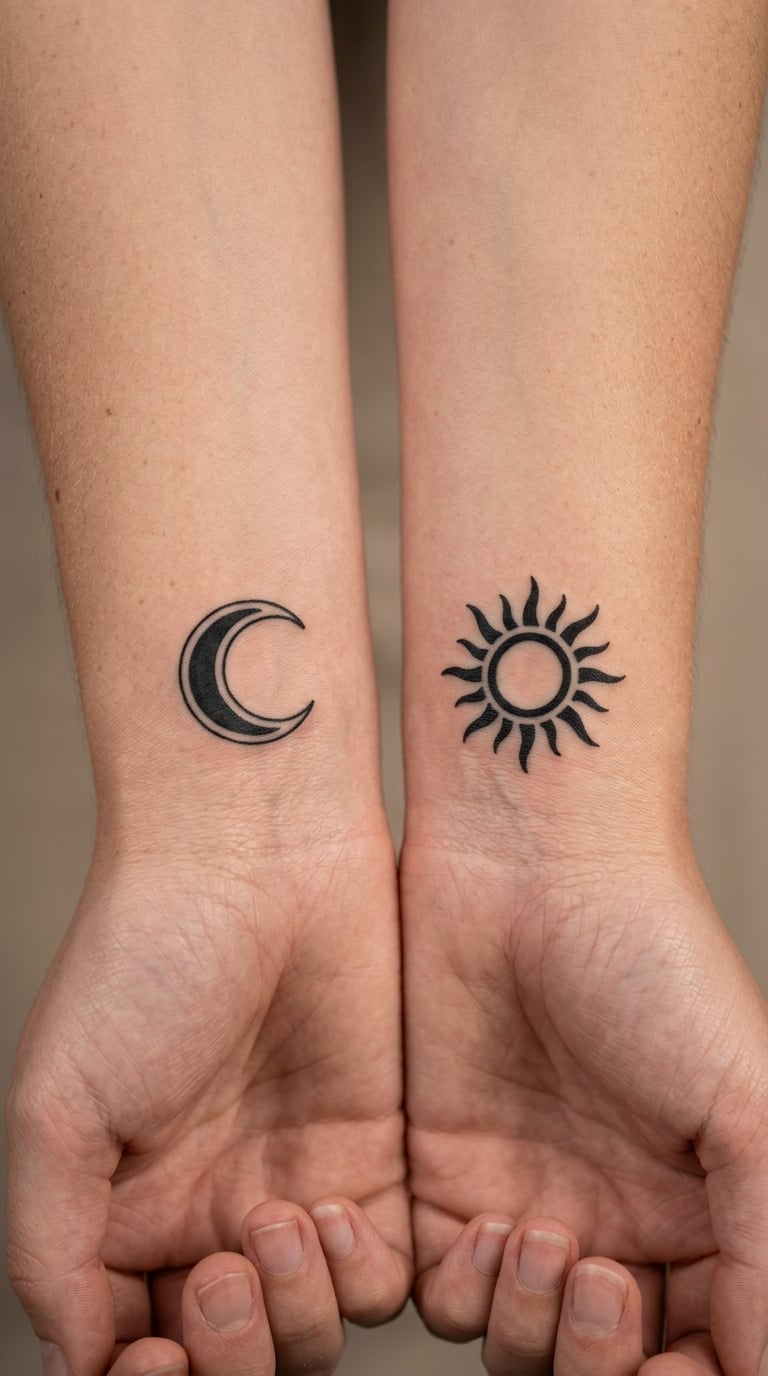
Sun and moon is the classic complementary pair, and the reading is almost always the same: two different halves that still make a whole. That makes it a good fit for couples who argue constantly and are weirdly proud of it.
Drawn in the same line weight so they read as a set, the sun can go on the left inner wrist and the moon on the right inner wrist, so the two face each other. A watercolour or dotwork version ages softer than bold black, which suits a design that is meant to be worn for decades.
Pain and time: Wrists are 3 out of 10 and the sun’s centre is the most noticeable part. A small sun takes about an hour, a moon considerably less.
6. Roman Numeral Date in a Ring Finger Band
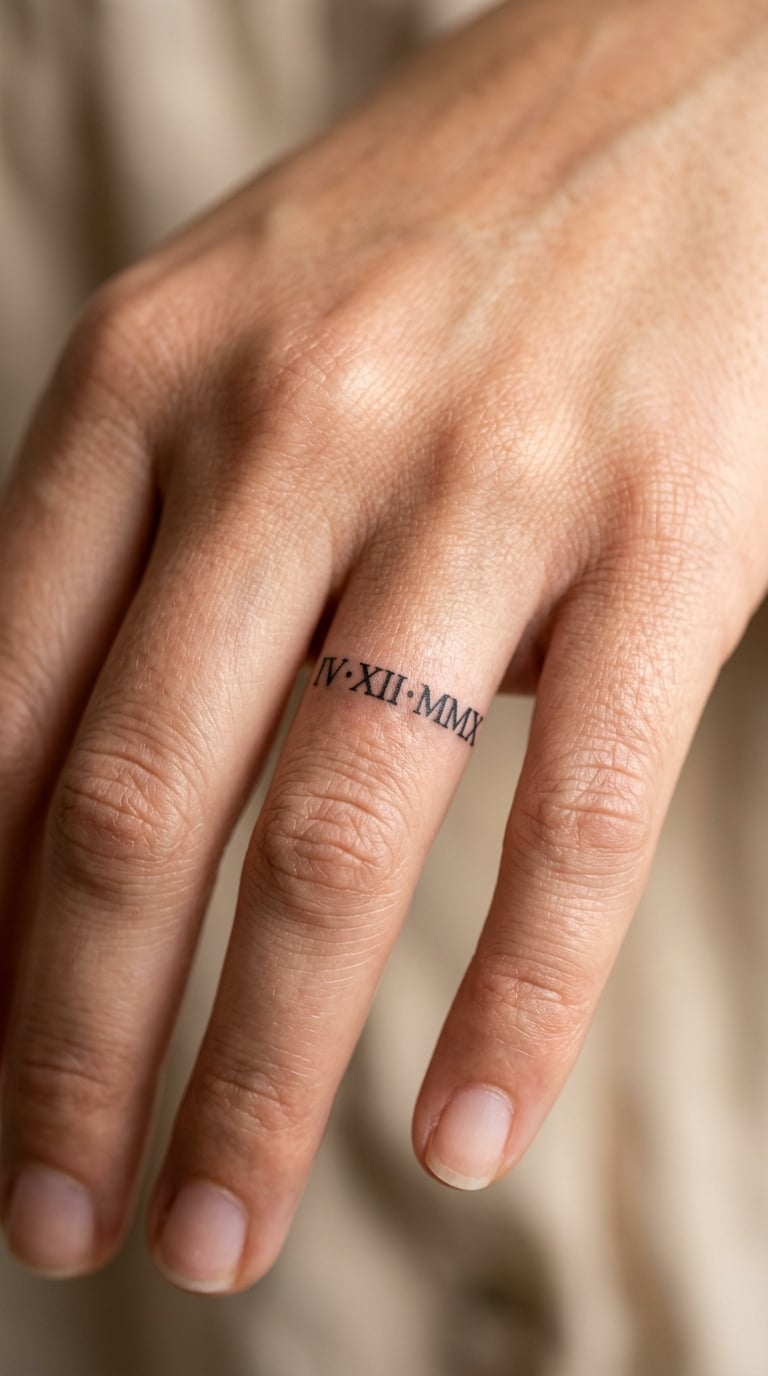
A Roman numeral date works as an alternative wedding band for people who never wanted a metal ring, and it is the one design on this list that doubles as jewellery. Engagements, weddings and the date you moved in together all work.
Get the numerals checked twice before you commit, because roman numerals have a date-then-time format that catches people out, and the artist needs the same rendering on both of you. Ring finger bands sit in a spot that fades faster than a forearm piece, so a slightly heavier line is worth asking for.
Pain and time: Fingers are 2 out of 10, more annoying than painful. Expect 30 to 45 minutes per finger.
7. Half a Leaf, One on Each Inner Arm
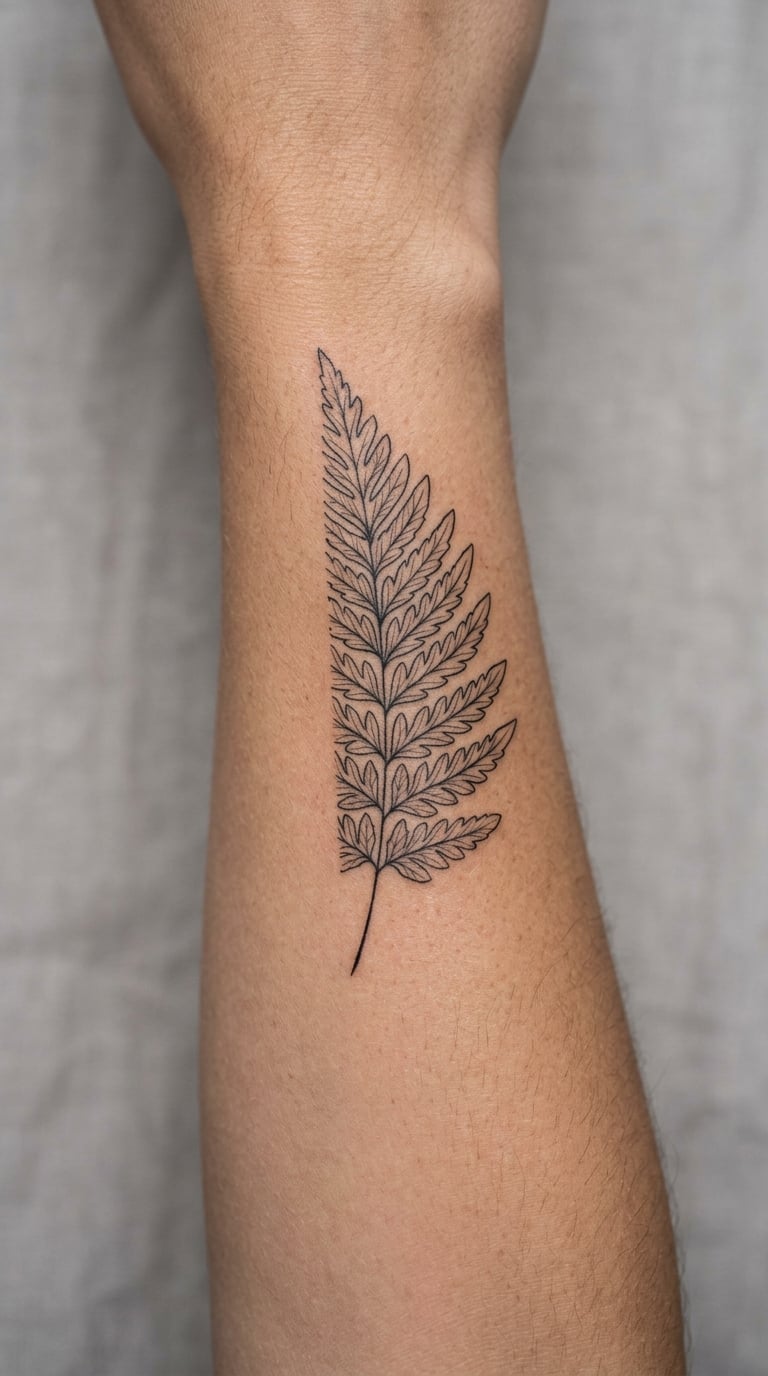
A leaf split down the middle is a complementary design that most people underestimate, because it can be as restrained or as lush as you want. One partner gets the left half, the other the right half, vein by vein.
Botanicals suit couples who both like plants, or who want a design that hides a small birthmark or an old scar. Inner arms mean the tattoo is visible in a t-shirt but quiet in a long-sleeve, which is a useful middle ground between loud and secret.
Pain and time: Inner arm is around 2 out of 10. A detailed half leaf runs 60 to 90 minutes.
8. Puzzle Piece with Matching Negative Space
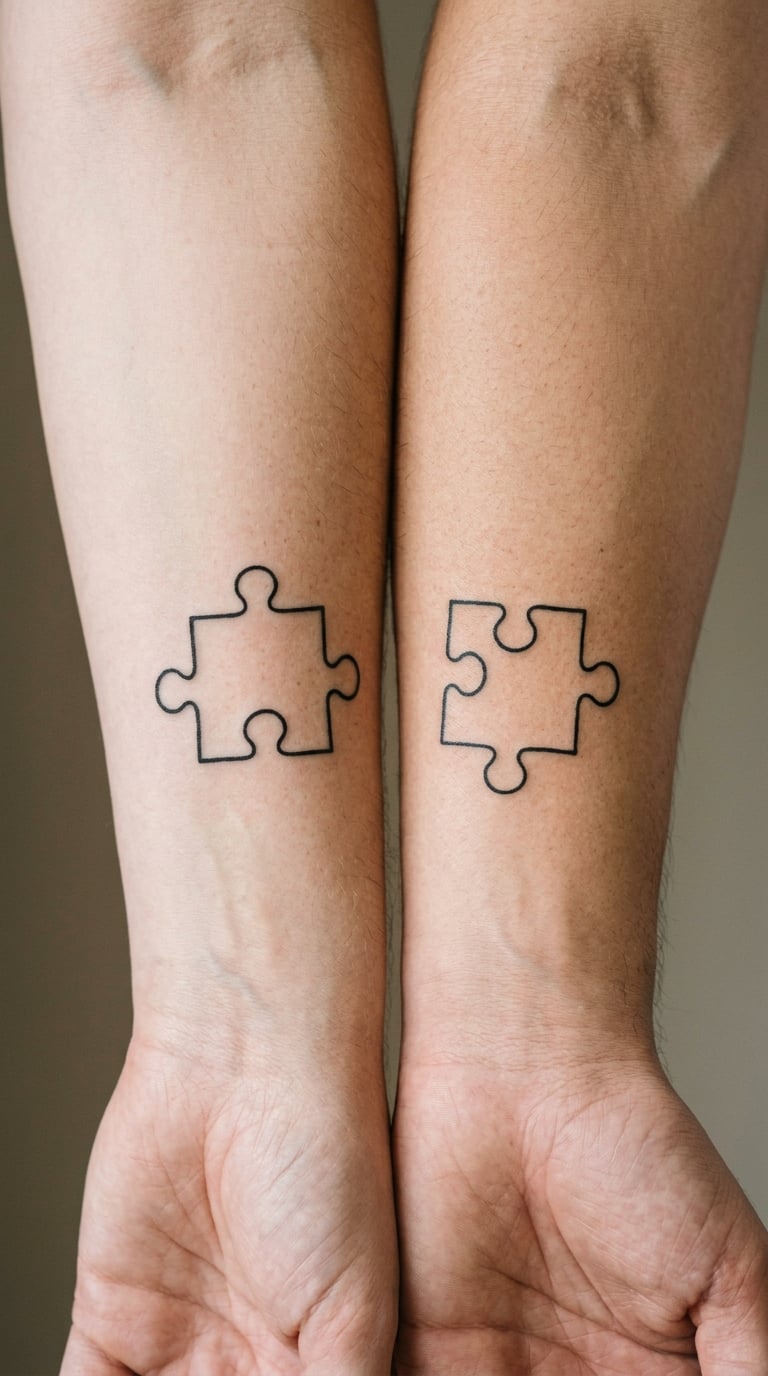
The puzzle piece is the most literal of the bunch, and also the one people regret fastest, because the meaning is not subtle at all. Plenty of couples now ask for the same idea drawn as a jigsaw piece with a lot of empty space, which reads more grown-up.
Draw the two pieces from one template so the edges actually line up, then place them on matching parts of the body, usually the outer forearms. If one of you is not keen on the cliché, say so at the consultation rather than agreeing and hoping.
Pain and time: The outer forearm is 3 out of 10. A clean outline takes about 45 minutes per piece.
9. Fine-Line Birds in Flight
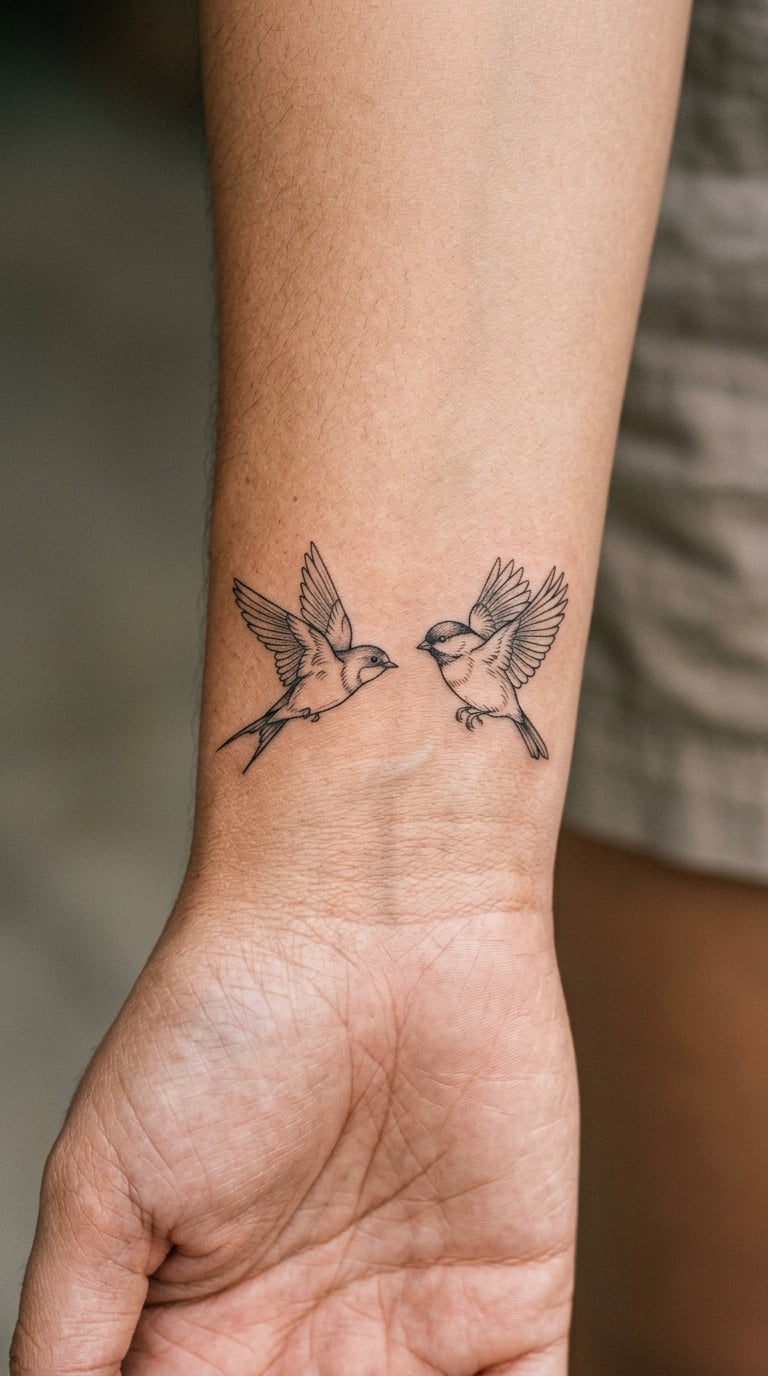
Two birds rather than one is the version to choose if you want matching ink that does not announce itself. Finches, swallows, doves and starlings all get used, and the direction the birds face gives you the symbolism: toward each other, away, or the same way forward.
Fine line suits this because most people have a bird, or a specific bird, in mind and a thin single-weight outline holds that shape. Small birds work on a wrist, behind an ear or on a collarbone, and the same drawing on both partners is a fair test of whether you both like the same thing.
Pain and time: Behind the ear is 2 out of 10 and mostly vibration. Small birds take 30 to 45 minutes.
10. Watercolour Fingerprint Heart
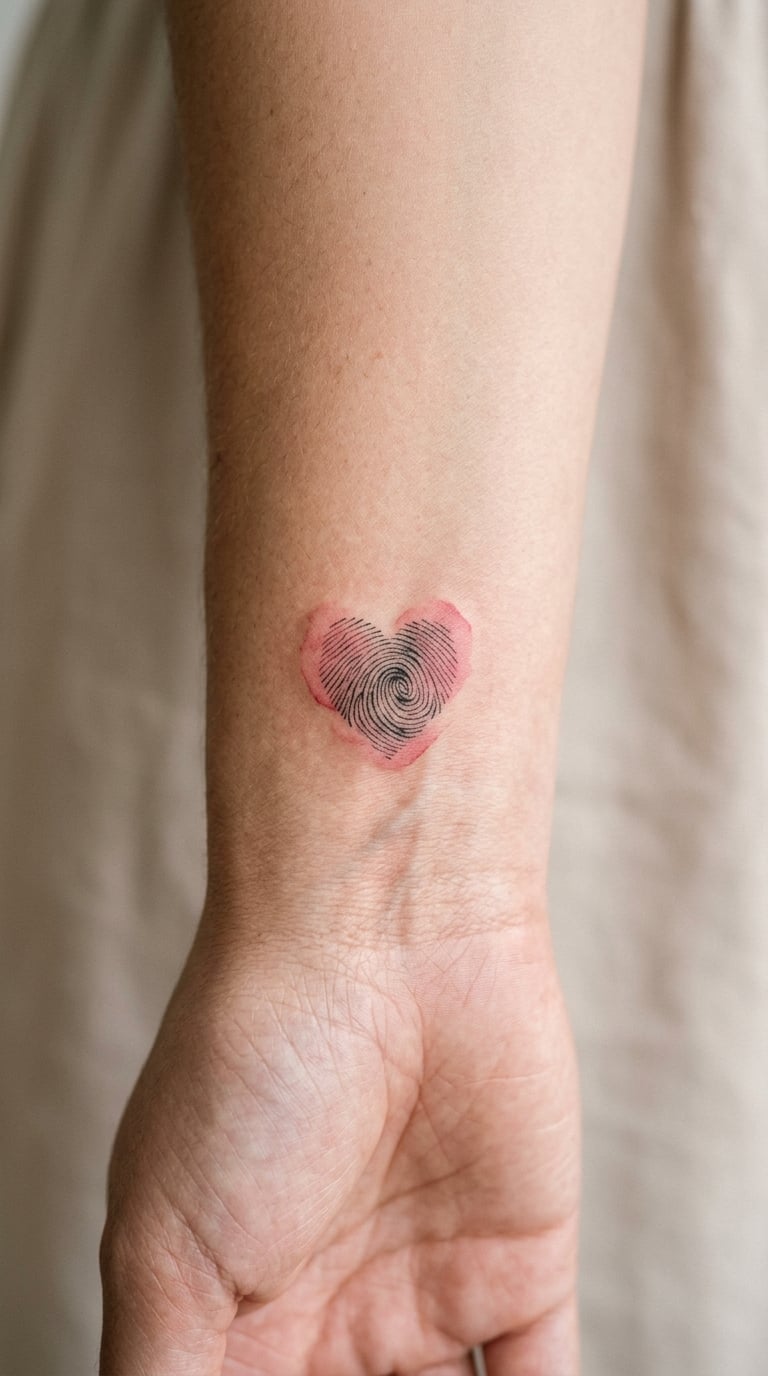
A fingerprint turned into a heart is the classic first-relationship design, and it is still meaningful when the fingerprints are the real ones, thumb ink and all, rather than a traced outline. Watercolour bleeds soft edges that make the ridges look less like a fingerprint and more like a memory.
This one is small, so keep it around 5 cm and get it placed on the inner wrist or the side of the hand. Colour needs a touch-up a few weeks after healing, so plan a free or cheap correction session before the design counts as done.
Pain and time: The side of the hand is 2 out of 10. A small watercolour piece takes about an hour.
11. Single-Line Wave on the Ankle
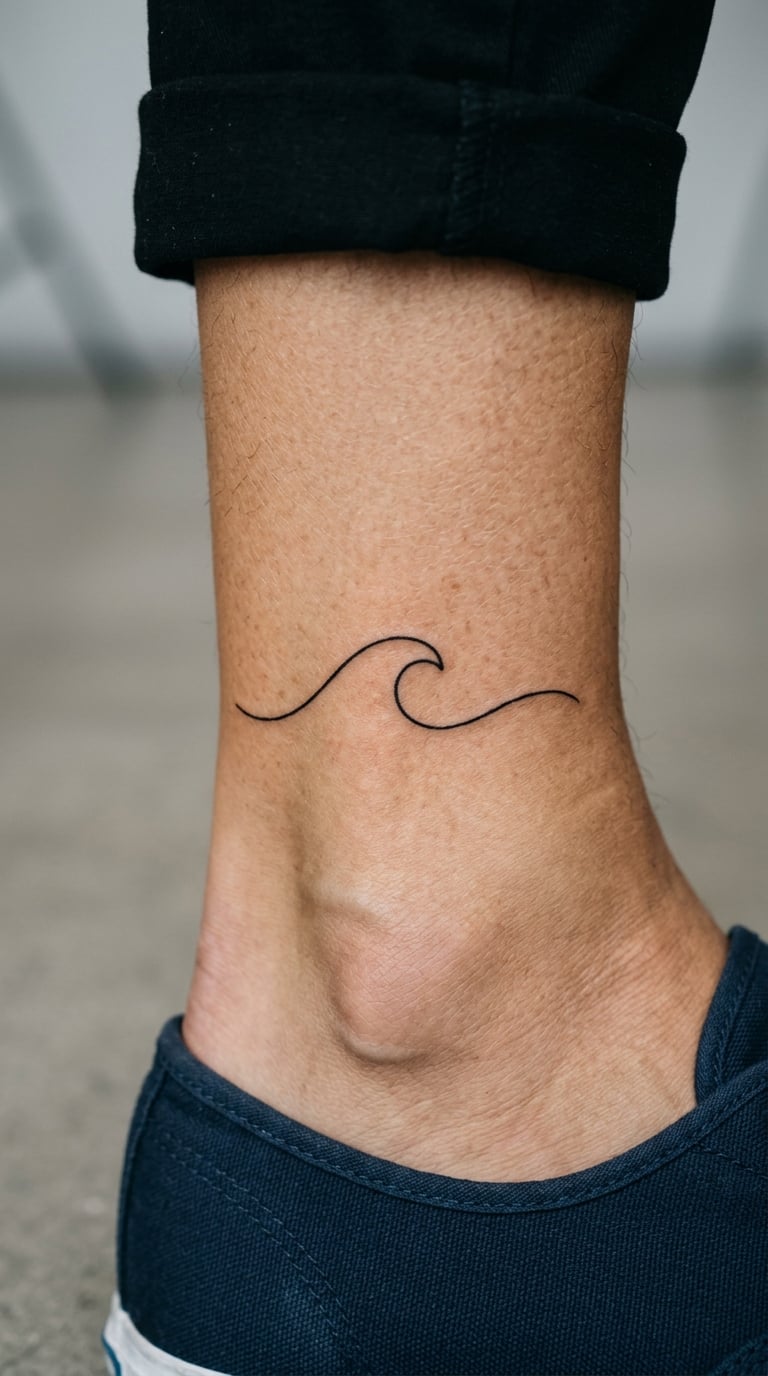
A wave is a good match for couples from the coast, or for anyone who met somewhere with water in it. Drawn as a single unbroken line, it is the least demanding design on this list, which makes it a strong first tattoo for both of you.
Ankles swell, shrink and go in and out of shoes, so the artist should draw for the bone rather than the current shape. Matching waves on both ankles look intentional when you stand together, and fine black line in that spot holds its shape far better than shading or colour.
Pain and time: Ankle bones are 3 out of 10, and near the shin it drops. A small wave takes 30 to 40 minutes.
12. Soundwave of Your Song
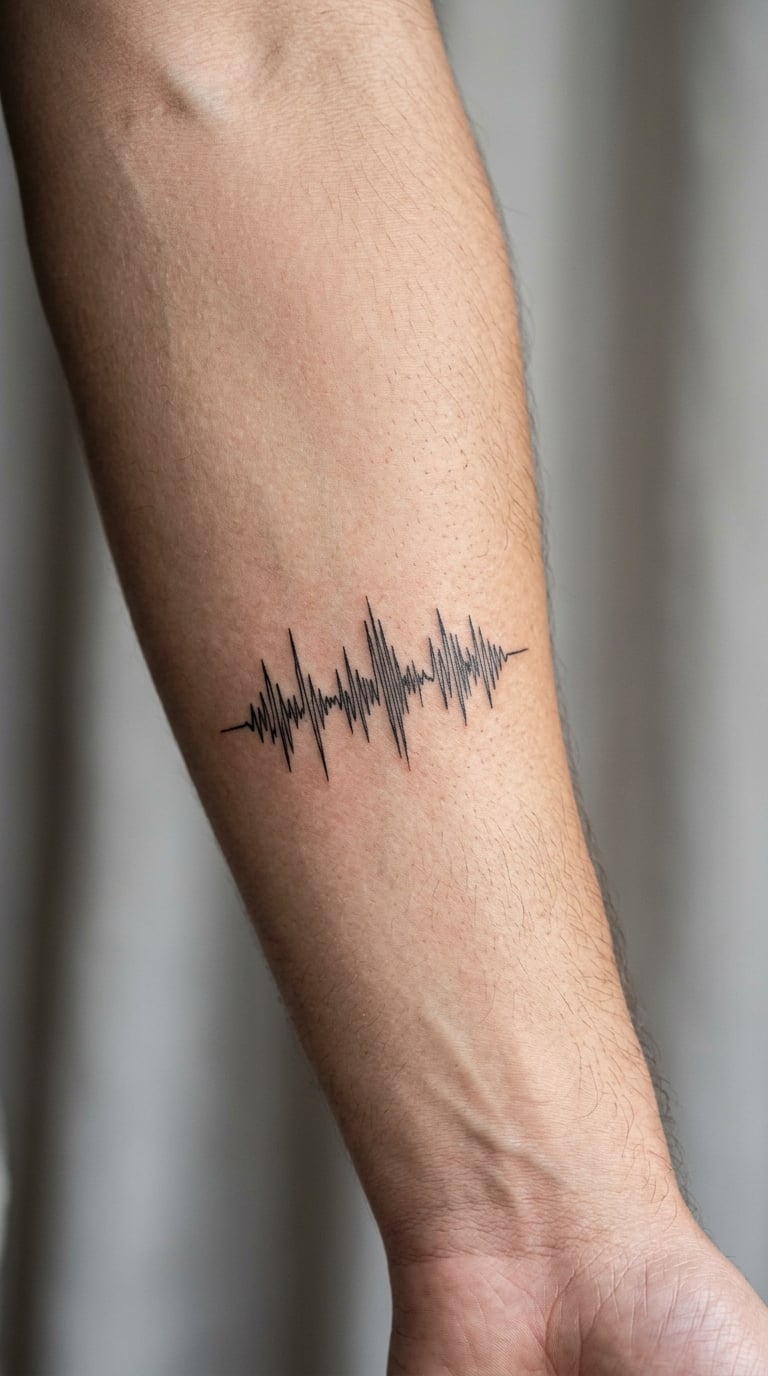
A soundwave works for couples who have one song, and the more specific the origin the better. The first song you danced to, the song that played on the drive home, the one that came on at the wrong moment and became your song anyway.
Ask the artist to plot the waveform from the actual track and the actual segment, because a soundwave drawn by eye is just a row of bars. Forearms, ribs and the inside of the upper arm all take it well, and the same segment on both partners makes the pair obvious to each other.
Pain and time: The forearm is 2 out of 10. Plotting and lining a short segment takes about an hour.
13. Constellation from a Place You Both Know
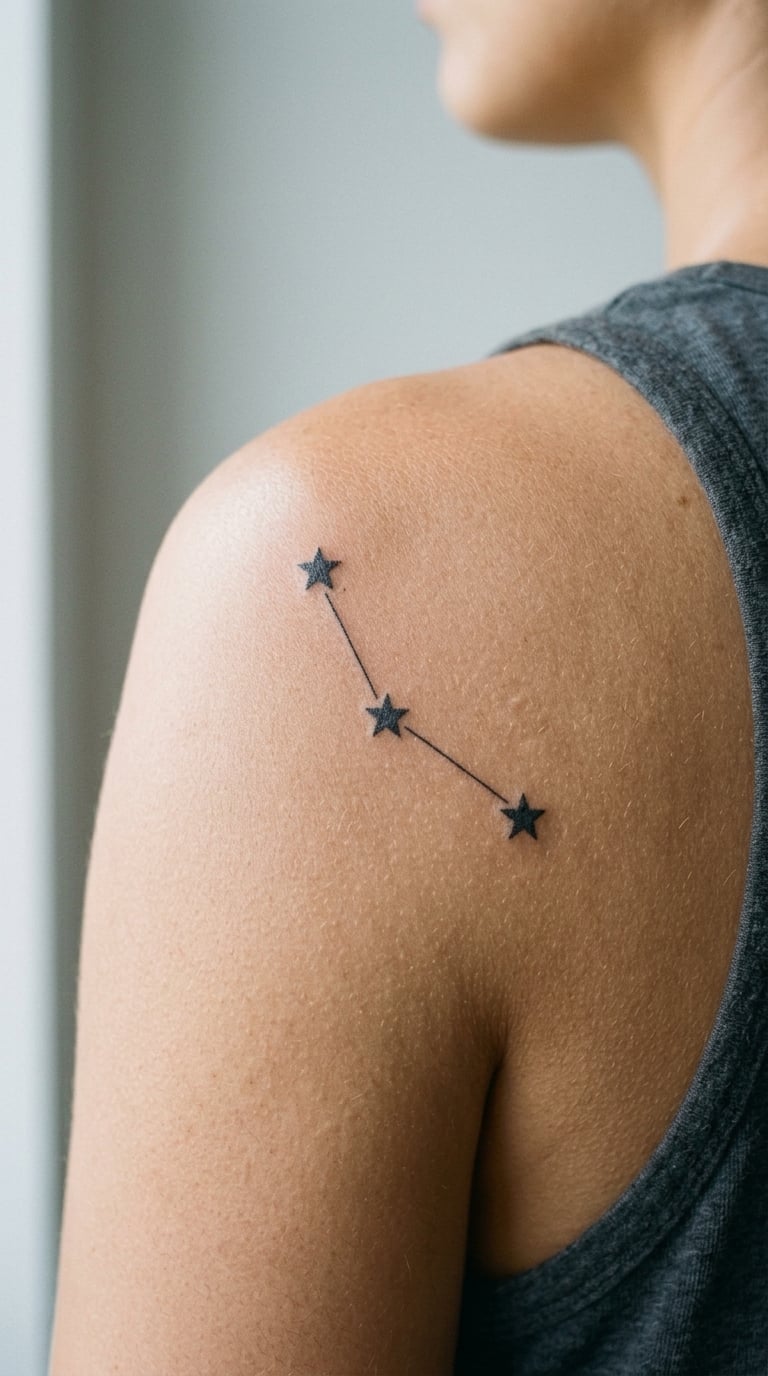
A shared constellation is a quieter cousin of the star map and easier to fit on a small canvas. Three stars in a triangle is often enough, drawn from a real pattern, and it means something specific rather than generic sky.
Because a constellation is only a handful of dots, the practical side of matching ink matters more than usual. Keep both versions at the same size, put them in mirrored spots such as the shoulders or the inner upper arms, and ask for a slightly bolder line because thin dots on the upper arm fade fast.
Pain and time: The shoulder is 3 out of 10. Three stars take 20 to 30 minutes.
14. Tiny Key and Lock
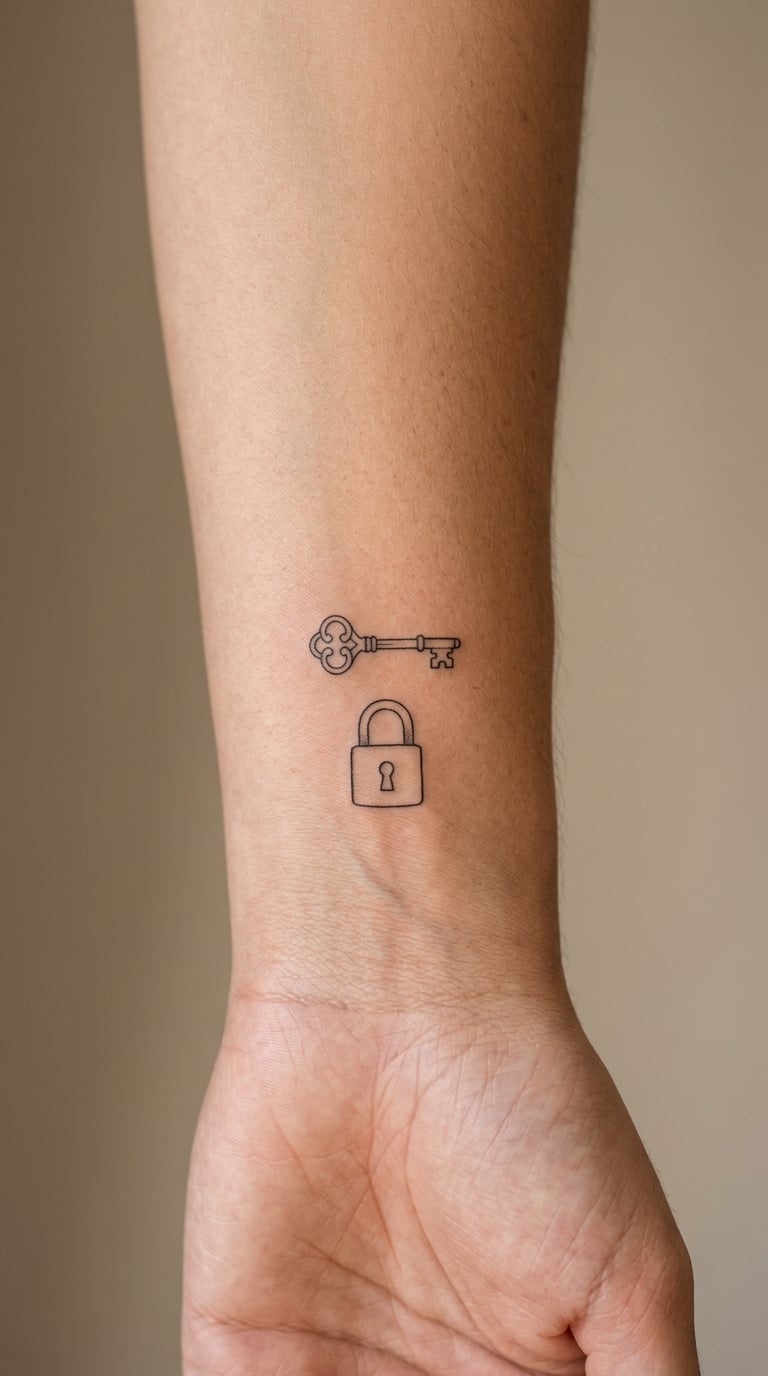
A key and lock is the version of the theme that gets paired with a real date, a real house number or the street you first lived on together. It is a small design with a private label, which is exactly what survives the test of time.
Keep the metal drawn as an outline rather than shaded, and stay under about 4 cm so the key still reads at a glance. Wrist, behind the ear and the finger knuckle are all good homes, and a matching pair in the same spot on both of you is enough.
Pain and time: Finger knuckles are 2 out of 10. A small key takes 30 to 40 minutes.
15. Blackwork Ravens Flying Toward Each Other
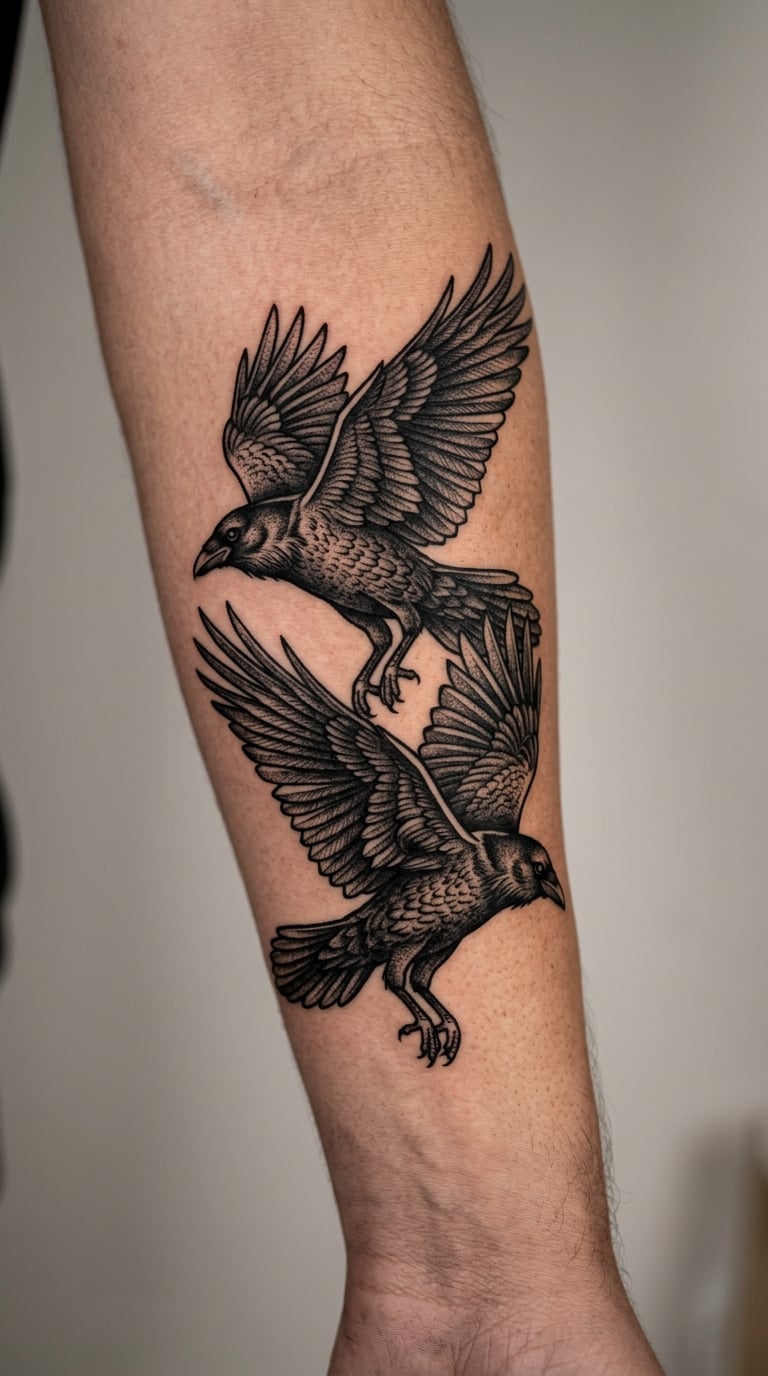
Two ravens facing inward is the boldest option here and the least likely to be mistaken for a generic couple design. Blackwork holds its shape for decades, which matters if you both plan to keep the same ink for life.
Raven pairs are usually given a shared detail, like one raven carrying a small rose, so that each tattoo is complete alone but tell the same story together. Upper arms and outer forearms give the artist room for feather detail, and the line weight here should be noticeably heavier than anything else in this list.
Pain and time: Outer forearm is 3 to 4 out of 10, and shaded areas are worse than outlines. A detailed pair runs two to three hours, so plan a full session and a second one for a touch-up.
16. Hand-Poked Dotwork Compass Rose
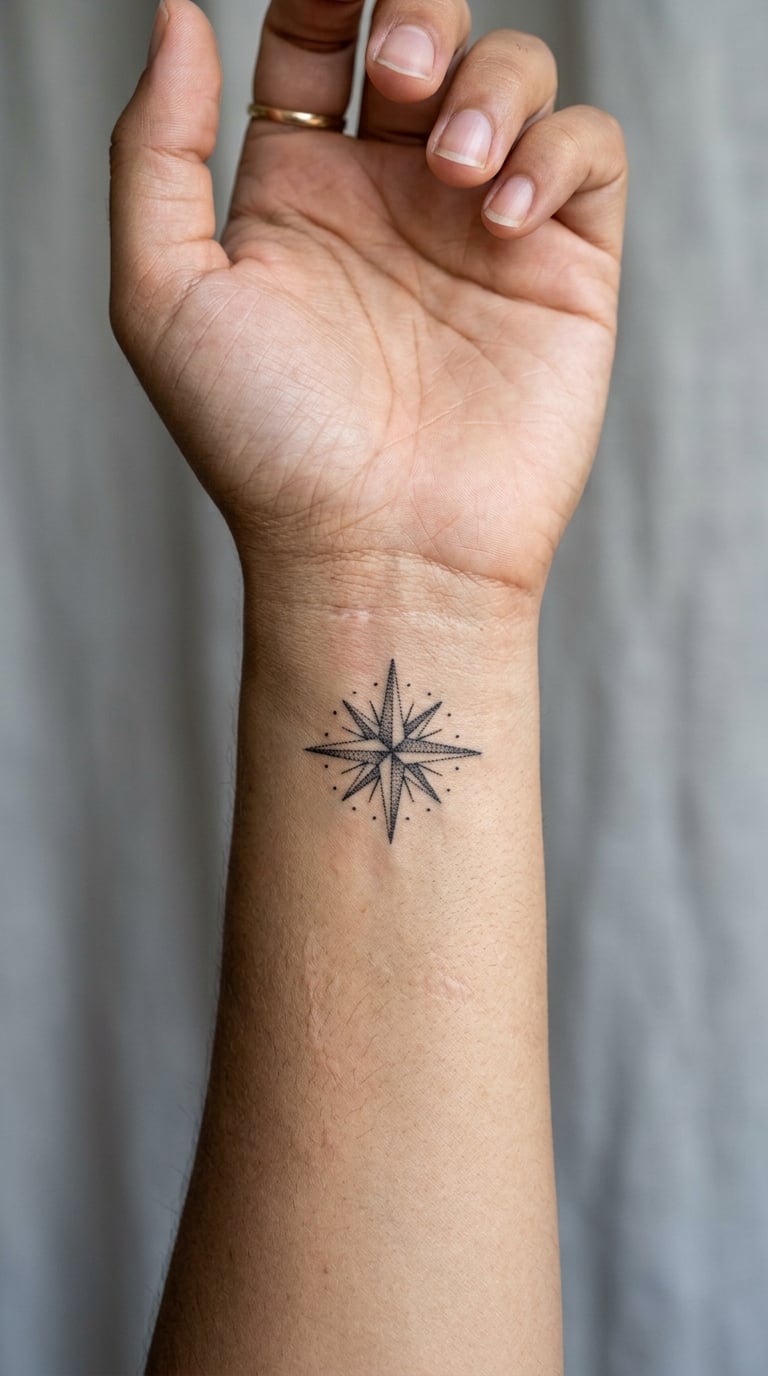
A dotwork compass is a good pick for a couple who already has other hand tattoos and does not want a busy script or a loud image. Hand-poked work has a soft, slightly uneven edge that reads as deliberate, and dotwork suits a small area like the back of the hand.
Both of you get the same rose pointing the same direction, and the directional meaning is yours to set, usually towards home or towards the place you met. Hand-poked dots take longer to heal than machine lines and need a careful aftercare routine, so keep them out of the sun for the first two weeks.
Pain and time: The back of the hand is 2 out of 10, though the dots are stingy rather than dull. Expect 90 minutes at a time, and a slow walk to a clean heal.
Number and Symbol Tattoos Couples Ask About Most
A few number tattoos show up in couple requests constantly, and their meanings are not as settled as people assume. Always ask the artist what the symbol means to them, because readings change by culture and by artist.
444 tattoo meaning for couples
444 is usually read as angel numbers, connected to protection and to the presence of guides. For couples it often comes from a specific stretch, a recovery or a year that felt watched over. The digits are more meaningful in some faith traditions than others, so check the reading with whoever holds authority in your shared belief.
222 tattoo meaning for couples
222 is read in the same angel-number family, with a leaning toward balance, partnership and things lining up. Couples sometimes get it to mark a year when the relationship nearly didn’t work out. It is a fairly common choice and carries less weight with people who have never heard of the system.
The 1/3 rule tattoo
The 1/3 rule comes from a relationship idea rather than a traditional symbol: give a third of your life to yourself, a third to your partner, a third to the wider world. It shows up as a small fraction mark or the numbers one and three. It reads as a set of values instead of a promise, which is why it sits well with couples who like rules they can argue about.
Matchstick tattoo symbolism
A single matchstick usually means one person, two being together, or being the one who lights the way. As matching ink it becomes the couple rather than the individual, and it is easy to draw small enough for a knuckle. Artists will draw it very differently, from a literal wooden match to a single black line with a flame.
Matching Couple Tattoo Placement: Where to Put Yours
Placement decides whether a matching tattoo stays romantic or turns into something you explain at the supermarket. The safest middle ground is a spot the outer world reads as decorative and only you read as specific. Wrists, inner arms and collarbones all manage that. Hands, neck and fingers announce themselves, and finger tattoos on the outer hand fade noticeably within a few years.
Where you should not put matching ink is anywhere the sun hits daily without covering up. Forearms, the tops of hands and the front of the neck take a beating from daylight and show it in the ink. If a design has to go there, ask for a bolder line weight and plan on a refresh every few years instead of a one-time session.
Wrists and inner arms are the most popular and the most private, though sun exposure on the forearm is a real factor. Collarbones and the upper chest give a canvas for script and fade gently in a way that suits dates. Behind the ear and the neck read as decorative to strangers and only mean something to people who know. Ribs and the sides of the feet are the most painful, and worth it for a design that deserves a bigger canvas.
Things to Know Before You Book
- Agree on the design before you book, and agree on it slowly. Most of the regret in this category comes from one partner agreeing in the moment. Give the decision a couple of weeks.
- Visible and subtle is a real disagreement, not a red flag. One person wanting a forearm and the other wanting a hidden ankle is a preference difference. Splitting the difference on placement is a fair outcome.
- Fine-line black outlasts colour, but thin lines spread. Ask for a slightly heavier line than the reference photo shows, especially on the wrist and fingers.
- Both pieces should be drawn by one artist or from one approved template. Otherwise the two versions drift, and that is the moment a matching pair stops matching.
- Book for two and plan for two. Getting two matching tattoos done at the same time needs the same artist, the same day, or two very good artists who have spoken to each other.
- Ask about cover-ups before you commit. A reputable artist will tell you honestly how hard the design would be to cover later, and a good one will talk you out of anything badly placed.
Questions worth asking at the consultation
Ask how many sessions it will take and what happens if the second piece goes differently. Ask whether the artist has done two matching pieces for one client before, and ask to see healed work rather than fresh. Ask what the artist would change about your idea, because the answer tells you whether they are listening. If a design is going to be visible, ask what it will look like at forty rather than today.
What couples regret most
Names, faces and first names with dates are the designs people come back to wanting covered, and the cover-up is a second project on top of the first. Large themed paired pieces are also the ones that age worst, because they are hard to rebalance when your body changes. A design that depends on a trend, or one agreed to in a hurry, tends to age badly. Small, specific, dated designs are the safest choice, and the reason most tattoo artists will give you first if you ask.
Frequently Asked Questions
Do matching tattoos mean a relationship is doomed?
No. A matching tattoo is a decision about a moment in time, not a prediction about the future. Plenty of couples with matching ink are together for decades. What does tend to cause trouble is agreeing to a design quickly, or getting ink you personally regret, because that is harder to live with than the design itself.
What if only one of us wants matching tattoos?
This comes up more than anything else, and refusing is not a statement about how you feel about someone. Plenty of people simply do not want permanent ink, or want to wait. The workable option is a compromise, such as one visible design and one hidden one, or a matching tattoo you can both get later rather than now.
What are good matching couple tattoo ideas that are not cheesy?
Coordinates of a real place, a star map from a real night, a shared soundwave, a constellation, or a half-botanical leaf where the vein pattern is specific to you. The designs that age best are the ones carrying a detail only the two of you would recognise, rather than a symbol anyone can buy as flash.
What size should matching couple tattoos be?
Small and specific beats large and bold. Anything under about 5 cm on a wrist or finger keeps detail sharp for longer, and it is far easier to cover or adjust later. Larger paired pieces are a multi-session project and they change shape with your body over the years.
Are matching tattoos a good idea for long distance couples?
They are a common choice, because a shared tattoo gives the relationship something physical while you are apart. Coordinates, a date of arrival, or a compass pointing towards home all carry that meaning without needing to say goodbye.
How do you pick a matching design you will both like?
Start with the story, not the image. Each of you writes down the date, place, song or habit that matters, then you look for a design that holds that specific detail. Send both artists the same reference and the same size, and take a few weeks before you commit.
Start With the Story, Not the Design
Pick the specific thing first, the date or the place or the song, and let the design follow it. That ordering is the whole trick. It keeps the meaning in the two of you instead of in a symbol anyone can order, and it makes the visible-ink argument much easier because nobody is choosing between a wrist and a hand, they are choosing between two real memories.
Give it a few weeks, agree on placement together, then book one artist for both pieces. Everything on this list works better with a specific detail in it.